Start with how the room is actually used
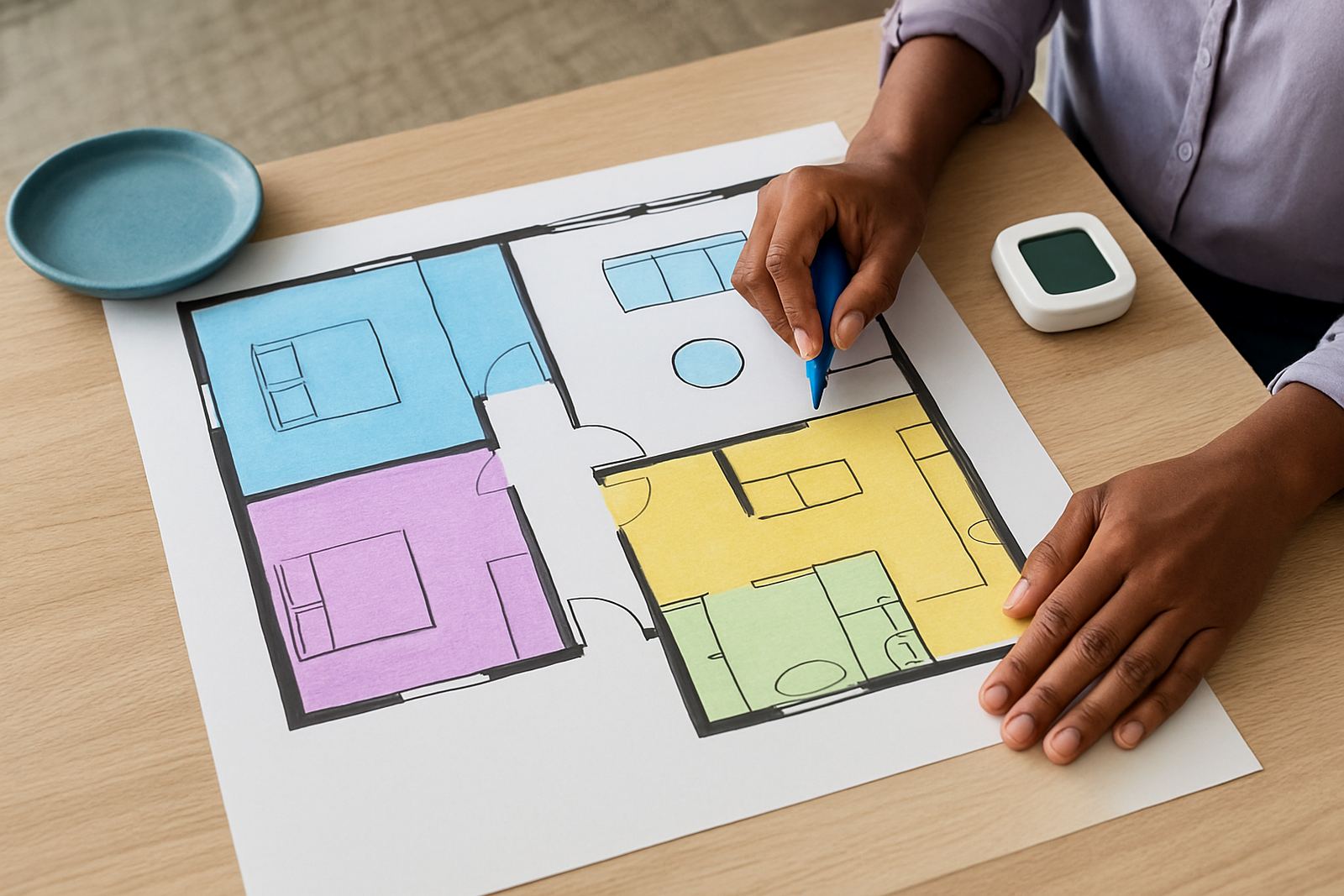
Before you choose a thermostat, write down who uses the room, when they use it and how often the setpoint changes. A family lounge in Sandton has very different needs from a boardroom in Pretoria East, and both differ again from a home office in Randburg that runs only during load shedding backup hours. If the room is one temperature most of the time, a basic control may be enough. If people argue over the temperature every week, you need more control.
We normally start with a site assessment and a load calculation so the control plan matches the ducted system, the damper layout and the actual cooling load. That matters in Johannesburg homes with afternoon sun, and in Pretoria offices where glass areas and municipal power interruptions can change the heat gain quickly. When the system is sized properly, the thermostat can do its job without constant hunting or short cycling.
- List each room or zone and note who controls it.
- Check whether the room runs all day or only at certain times.
- Mark hot spots, cold corners and rooms that shut down after hours.
- Note any areas affected by coastal humidity if you have a branch office or second property outside Gauteng.
Basic controls suit simple routines
Basic thermostats are a practical choice when the routine is simple and the users want clear buttons with very little learning. These controls are usually best for a guest room, a spare office or a rental property where the setting does not change much. They give reliable temperature adjustment and often a straightforward fan mode, which is enough for many small zones.
For zoned systems, a basic control works well if the dampers have been balanced correctly and the room is not fighting the rest of the house. The main advantage is simplicity. Fewer options means fewer calls about settings being changed by mistake. It also helps in busy offices where staff turnover is high and not everyone should be changing schedules. Simple is not old fashioned, it is just practical.
- Best for one or two rooms with steady use.
- Easy for tenants, staff and visitors to understand.
- Good where you want fewer menu layers and less training.
- Suitable if you mostly want temperature control, not detailed scheduling.
Touchscreen thermostats help when comfort changes by the hour
Touchscreen controls are useful where people want more visible settings without jumping into a complicated app. They suit family homes, meeting rooms and offices with a few different zones. With a touchscreen, the current temperature, target temperature and sometimes schedule information are easier to see at a glance, which helps when several people share the same space.
These controls work well when you need timed comfort during business hours and lower use after hours. In Centurion offices, for example, it is common to cool the main area from 07:30 to 17:00 and then reduce cooling after the staff leave. A touchscreen makes those changes easier to manage. If the thermostat is linked to the zoned dampers correctly, the system can hold each room steadier, with less overcooling and fewer hot and cold complaints.
For households, touchscreen controls are also helpful where teenagers, cleaners or guests need to use the system without a long explanation. The display needs to be clear in bright light and the buttons must respond properly, otherwise people ignore it and leave the system on the wrong setting.
Connected controls suit busy homes and office schedules
Connected thermostats are the best fit when people want remote access, scheduling and status checks from a phone or building system. They are worth considering for larger homes, multi office setups and properties where you need to check temperatures while off site. If a manager is travelling between Johannesburg and Pretoria, it is easier to review the system remotely than to phone someone at the building every time.
Connected controls are especially useful where there are seasonal changes, shifting occupancy or after-hours use. You can lower cooling when the building is empty and bring rooms back to comfort before people arrive. That helps with electricity use during load-shedding periods, because you can avoid running the system harder than needed. For offices in Sandton or Pretoria CBD, this can save a lot of pointless cooling in rooms nobody is using.
- Useful for remote checks and schedule changes.
- Good for properties with changing occupancy.
- Helps track faults like a room that never reaches setpoint.
- Best when the installer sets up the zones properly from day one.
Match the thermostat to the zoning hardware
A thermostat is only one part of the system. In a ducted zoning setup, the dampers, sensors and controls all need to work together. If the room sensor is badly placed near a window, or if a damper is too small for the duct run, no thermostat will fix the problem. That is why proper system design matters before any control is chosen.
We look at airflow balancing, duct sizes, return air and the way each zone opens and closes during the day. A small bedroom in Pretoria East may need a very different damper response from a large open-plan lounge in Johannesburg North. If the control type does not suit the damper logic, the room can become noisy or unstable. Good programming keeps the compressor, fans and dampers working in the right order.
For retrofit installations, the existing duct layout often decides how far the control can go. In some homes we can upgrade the thermostat and controls without changing all the ducting, but in others the airflow needs correction first. It is better to solve that up front than to fit a fancy control and still get poor comfort.
A simple selection checklist before you decide
If you want the right thermostat the first time, work through the checklist below. It keeps the decision practical and avoids choosing too much control for a small room, or too little for a busy one. It also helps when you compare options across a new build installation or an upgrade in an older property.
- How many zones need separate control?
- Will the same people use it every day?
- Do you need schedules, remote access or just temperature adjustment?
- Is the room affected by sun, glass or load-shedding timing?
- Will the thermostat be used in a home, office, boardroom or rental unit?
- Has the ducting been balanced and the dampers commissioned properly?
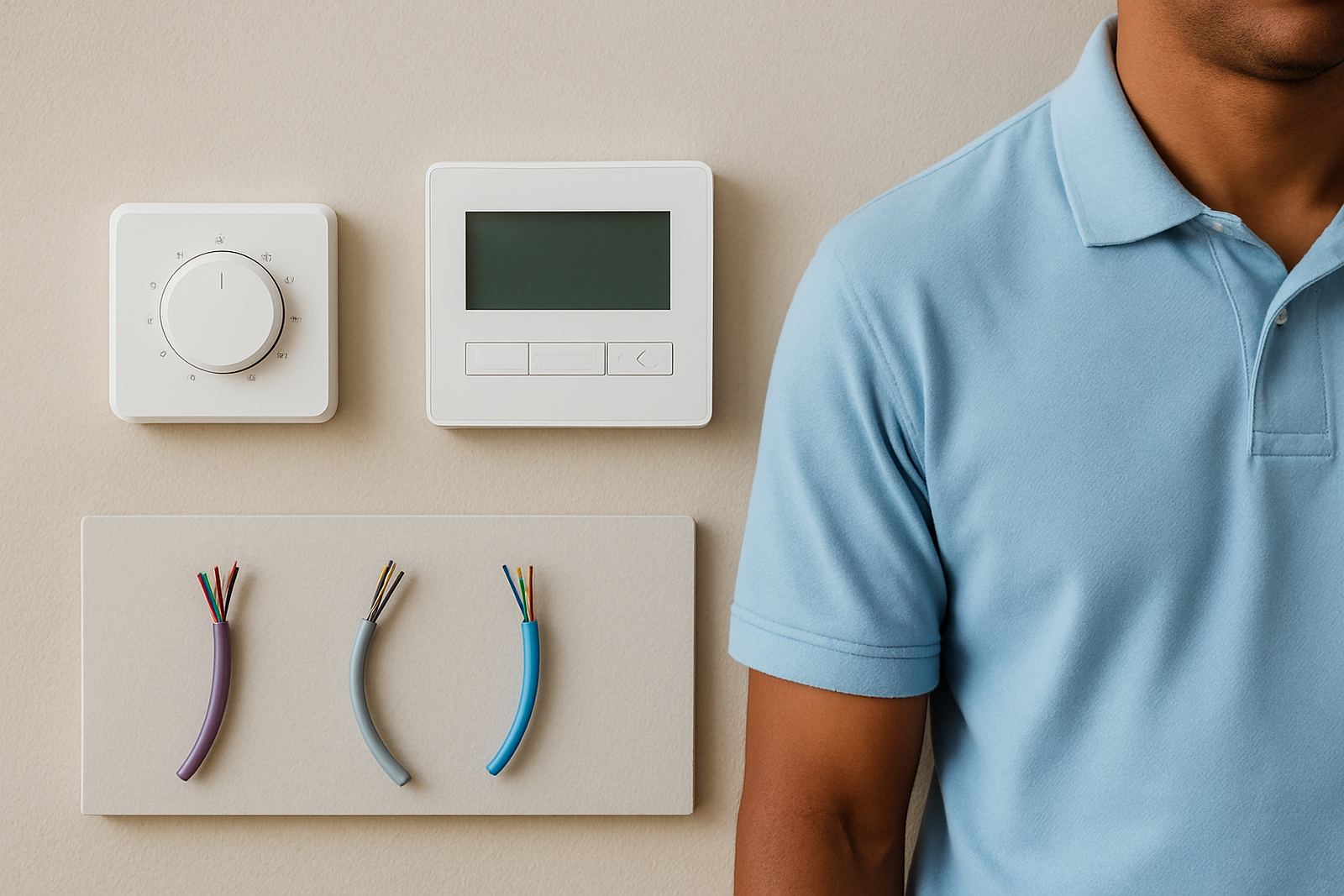
Once those points are clear, the choice usually becomes obvious. Basic controls suit simple routines, touchscreen controls suit shared spaces with changing comfort needs, and connected controls suit properties where remote oversight matters. The best option is the one that the users will actually use every day, not the one with the longest feature list.
Commissioning and servicing keep the control accurate
After installation, the thermostat must be tested with the rest of the system. We check setpoints, sensor readings, damper response and airflow so the room reaches temperature without constant adjustment. If the control is wrong on day one, users tend to leave it alone and call it unreliable. That is usually a commissioning issue, not a thermostat issue.
Seasonal servicing helps too, especially in Johannesburg where winter and summer demand can change quickly. Filters, dampers and sensors should be checked at service time so the control still matches the room load. In offices, fault finding often starts with a thermostat complaint, but the real problem can be airflow or a stuck zone. A clean, tested system saves time and keeps the rooms steadier through the year.
If you are unsure which control suits your site, our team in Johannesburg supports Pretoria, Sandton, Randburg, Centurion and Pretoria East with site assessments, system design and controls programming. That way the thermostat you choose fits the building rather than forcing the building to cope with the thermostat.