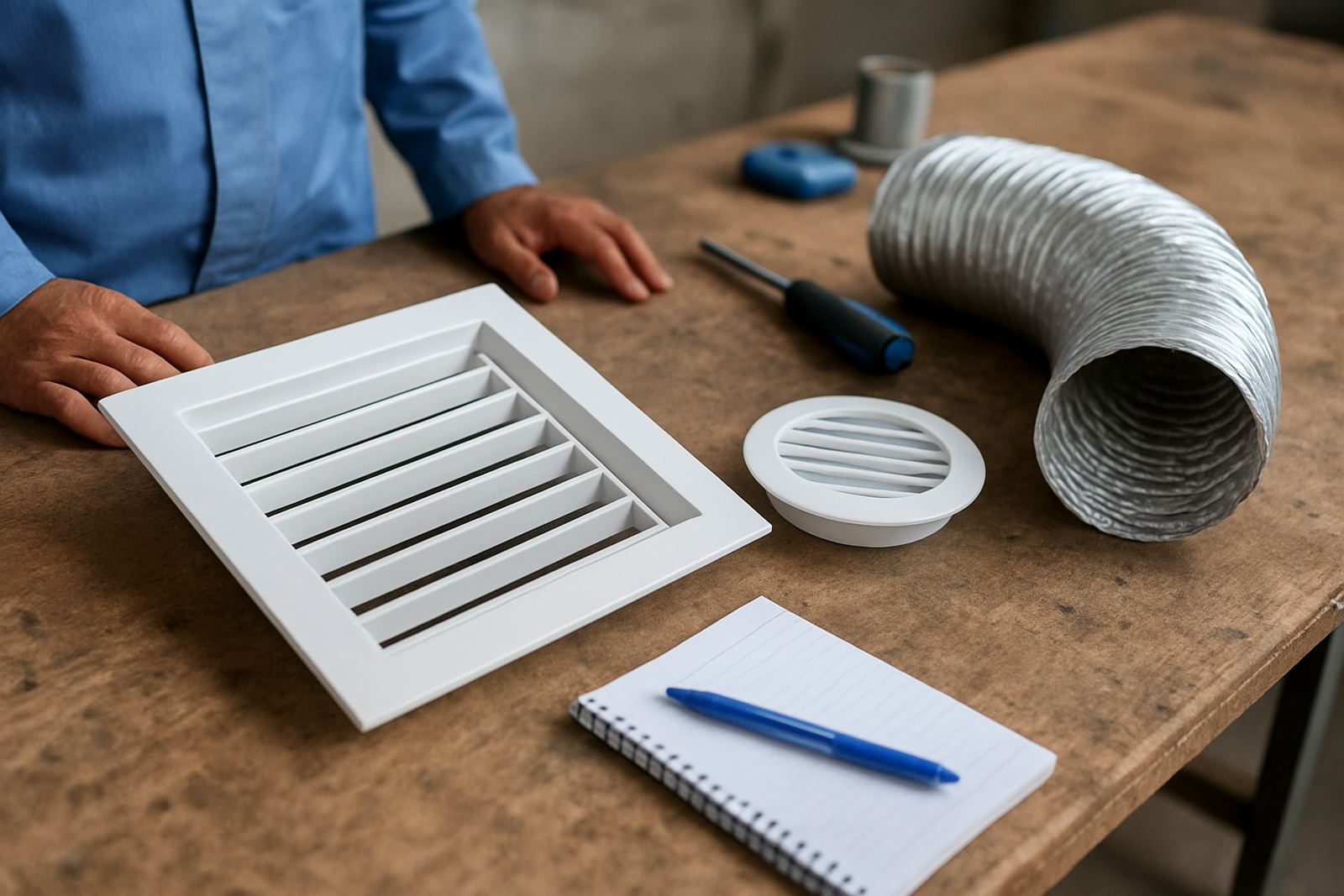
What a proper service plan covers after installation
A service plan for zoned air-conditioning should do more than clean a few parts and leave. It needs to check the indoor units, ductwork, dampers, thermostats, condensate drainage, and the control setup as one working system. If one zone starts overcooling a bedroom while another room stays stuffy, that is usually a sign that airflow or controls need attention.
In Johannesburg and Pretoria, where summers are hot and dust builds up quickly, a plan should also account for seasonal use. A home in Sandton will not need the same schedule as a busy office in Centurion, but both should still get regular inspection and testing. The point is to keep comfort stable, reduce call-outs, and catch small faults before they become bigger repairs.
Checklist for the first routine service visit
The first service visit after installation is important because it shows how the system is settling in. This is where a technician can spot duct leaks, poor balancing, loose sensors, or controls that need fine-tuning. After the first few months of use, some settings often need adjustment once people start living or working in the space.
- Inspect filters and confirm the correct cleaning or replacement interval
- Check all dampers for smooth opening and closing
- Test room thermostats and sensor readings
- Inspect condensate drains for blockages and water damage
- Verify supply and return airflow in each zone
- Check wiring, insulation, and control panels
- Run the system through normal cooling and heating modes where fitted
If the original installation was in a new build, this visit also helps catch building dust or minor construction debris that may have entered the ducting. On retrofits, it can reveal airflow restrictions from older ceilings or tight roof spaces.
How to keep filters, coils, and drainage in working order
Filters should be checked regularly because dust, pet hair, and fine dirt from open windows can clog them quicker than expected. In offices, printer dust and daily foot traffic add to the load. A blocked filter makes the system work harder, which can push up running costs and strain components. That matters even more during load-shedding recovery when the system needs to restart cleanly.
Coils and drainage are just as important. Dirty coils reduce cooling performance, while blocked drains can cause leaks, damp ceiling boards, and unpleasant smells. In coastal humidity, or in spaces with poor ventilation, drainage checks matter even more although Johannesburg homes usually see more dust than moisture. A good servcie plan should include visual cleaning, not only a quick wipe-down.
A practical home or office routine would look like this:
- Check filters monthly during heavy use
- Book coil cleaning as recommended by the service technician
- Flush drain lines before summer and after long idle periods
- Look for rust, mould, or water stains around ceiling access points
Why damper balancing and airflow testing matter
Zoned systems rely on dampers to direct conditioned air into the right rooms at the right time. If one damper sticks or a branch line is not balanced correctly, a smaller room may get too much air while a larger room struggles. The result is uneven temperatures and complaints from people in the space.
Airflow balancing is not a once-off task. Furniture changes, blocked vents, or even a new partition in an office can change how air moves. In Pretoria East offices and Randburg homes alike, a service plan should include airflow testing so each zone still receives the right volume. That keeps the system quiet, efficient, and more comfortable across the building.
- Confirm every zone opens and closes at the correct setpoint
- Listen for damper noise, rattles, or delayed response
- Measure airflow at key outlets and compare it with design values
- Adjust settings if rooms have changed use or occupancy
Controls, smart thermostats, and power interruptions
Modern zoned systems depend on controls as much as they do on the hardware. Thermostats must read room temperature correctly, and schedules should match how the home or office is used. If the controls are not set properly, a system can short-cycle, run too long, or cool the wrong part of the building.
In South Africa, power cuts and voltage swings can also upset settings. After an outage, a system may need to be checked for lost programming, sensor errors, or time clock resets. This is especially important in offices where staff expect the system to start up before meetings or trading hours. A service plan should include backup checks and a review of the controls after any electrical interruption.
Service timing for homes, offices, and seasonal use
How often a system needs servicing depends on how hard it works. A family home in Centurion with moderate use may need a different schedule from a busy office in Pretoria with full day occupancy. The more often zones switch on and off, the more attention the system needs.
A useful guide is to service before the hottest months, then again after peak season if the system has carried a heavy load. For homes, once or twice a year may be enough when usage is light. For commercial spaces, a stricter schedule is usually better because people notice comfort problems quickly and downtime is costly.
- Before summer: check cooling performance, drains, and controls
- Mid-season: inspect filters, dampers, and airflow
- After peak use: look for wear, noise, and programming drift
- After any major building change: recheck balancing and settings
What to keep on file between service visits
Good records make future servicing faster and more accurate. Keep a note of filter changes, unusual noises, rooms that feel warmer than others, and any power interruptions. If the system starts acting differently, those details help the technician identify the cause faster.
It also helps to keep the original load calculations, zoning layout, and controls notes in one place. That way, if you later add a room, convert a garage, or reconfigure an office, the service history is easy to follow. A tidy record can save time and reduce repeat faults, which is useful when everyone wants the system sorted before the next heatwave.