Start with the rooms you actually use
The quickest way to cut costs is to stop cooling every room at the same level all day. In many Johannesburg and Pretoria properties, bedrooms, studies, boardrooms and guest areas sit empty for long stretches, so they should not be treated the same as main living spaces or open-plan work areas.
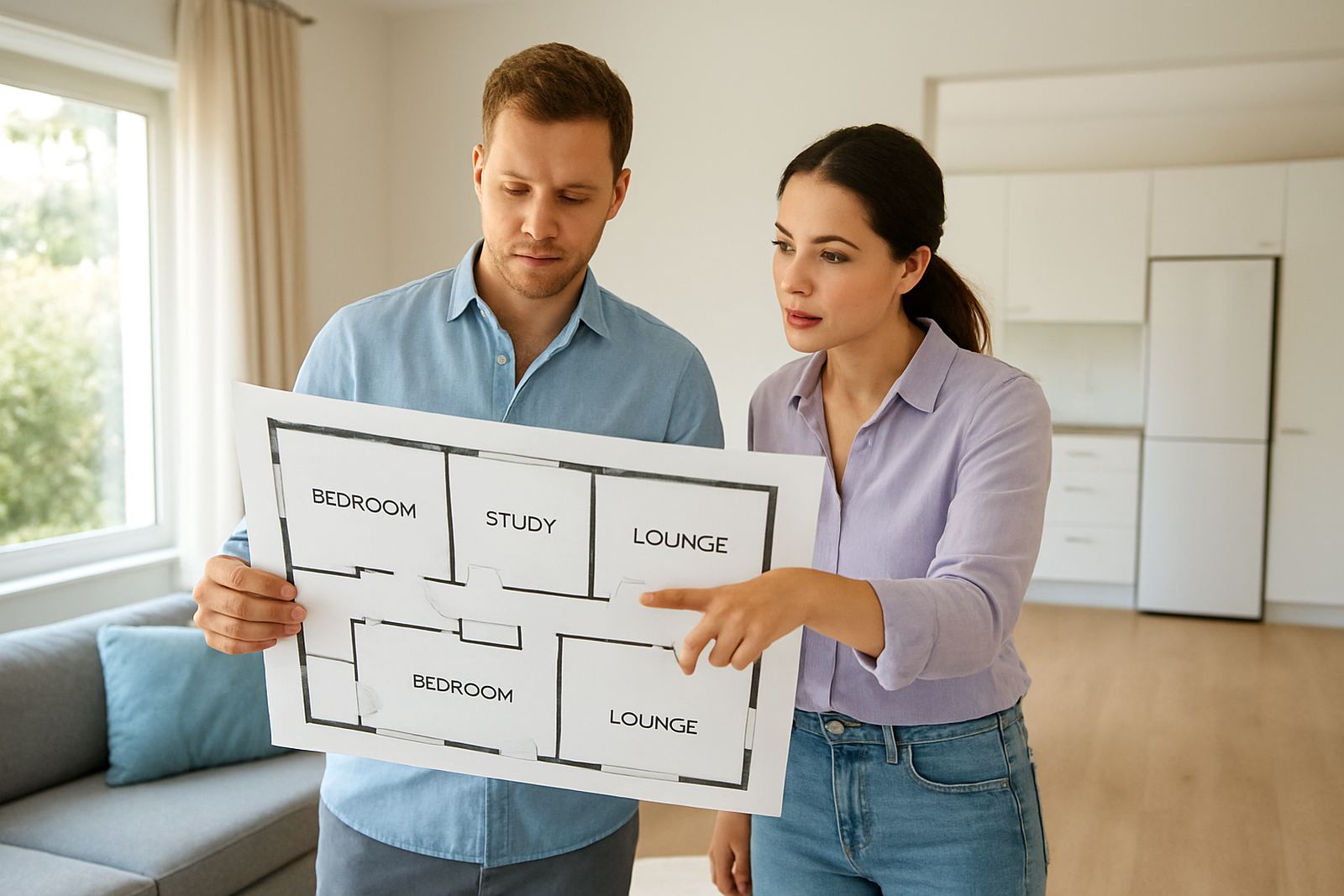
With a zoned system, each area can be set to run only when needed. That means less wasted cooling during school runs, client meetings, after-hours security checks, or weekends away. In a family home, for example, the lounge and kitchen might need cooling from late afternoon while bedrooms only need attention at night. In an office, the reception and occupied work zones can stay comfortable while stores, archives and spare rooms stay off.
- List each room or zone and note when it is used.
- Mark rooms that can stay off during the day.
- Separate high-use areas from low-use areas.
- Check whether doors are left open between hot and cool spaces.
Choose setpoints that suit the season
Many people set the thermostat too low in summer because they want fast relief. That usually makes the unit work longer and can lead to cold spots, dry air and higher power use. A sensible setpoint is one that keeps people comfortable while allowing the system to cycle properly. In most homes and offices, a small change of 1 to 2 degrees can make a noticeable difference to the bill.
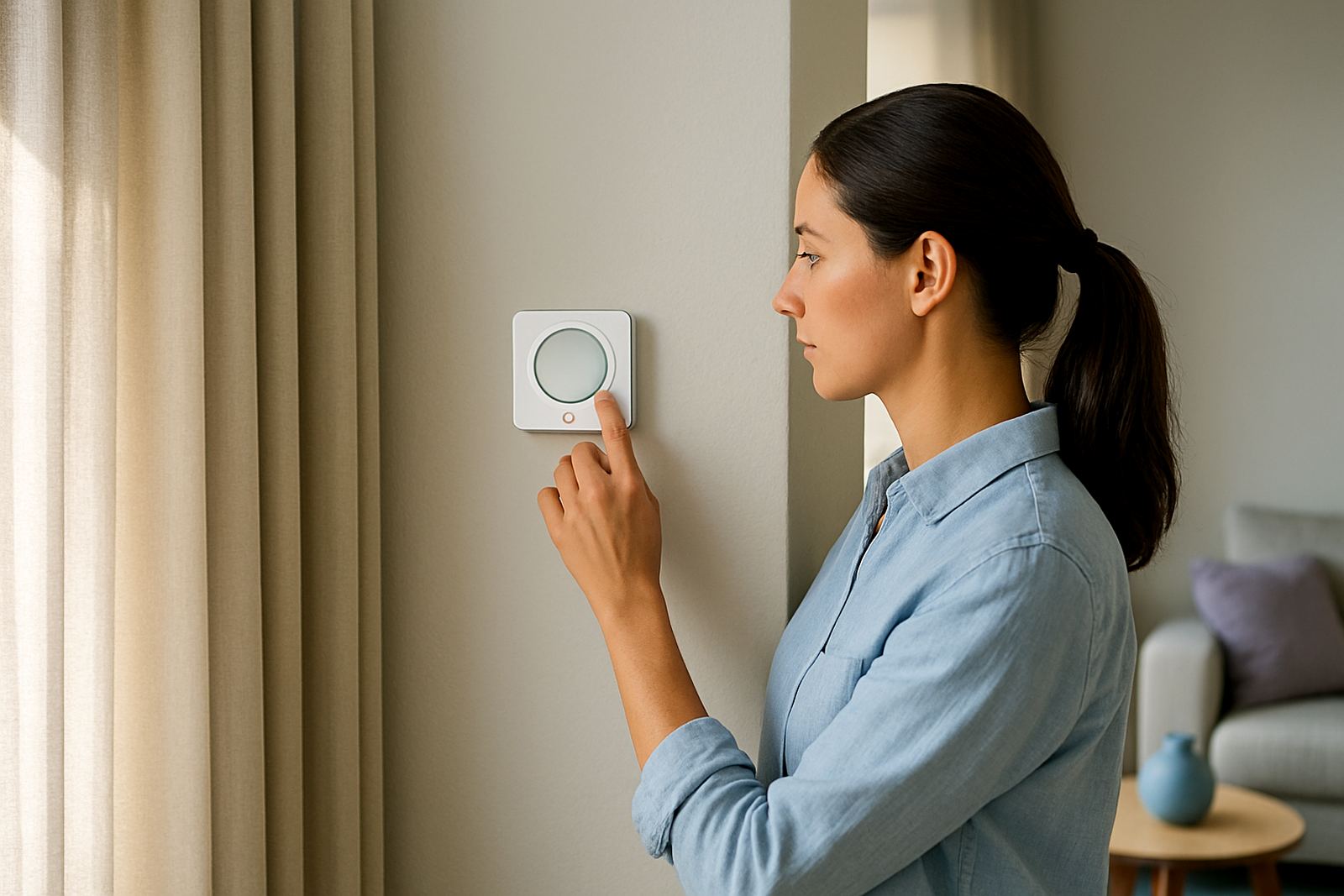
For summer afternoons, start with a moderate setting and adjust only if needed. In winter, avoid chasing very high temperatures in closed rooms, especially if the space gets direct sun during the day. South facing rooms and shaded spaces often need different treatment from west-facing rooms in Sandton, Pretoria East or Centurion where late sun can keep the heat in long after office hours. If the system has smart thermostats, use them to hold a steadier temperature instead of changing settings every hour.
- Set one normal comfort temperature for occupied hours.
- Use a slightly higher temperature when the space is empty.
- Avoid frequent manual changes through the day.
- Check that each thermostat is placed away from direct sunlight and appliances.
Build a weekly schedule that matches real life
Schedules are one of the best ways to control energy use because they stop the system from running when nobody is there. A proper schedule should match school runs, office opening times, cleaning hours and security patrols. It should also take into account public holidays, early Fridays and loadshedding, which can interrupt normal routines and cause the system to restart at the wrong time.
For homes, this usually means pre-cooling the main living zone before people arrive and letting bedrooms run later in the evening. For offices, it means starting up before staff arrive, reducing output after lunch if the building heats up slowly, and switching off well after everyone has left. If your team works flexible hours, zone timers can be set for the busiest sections only. That way you are not paying to cool a full building for a half-empty one.
- Write down the normal times each zone is occupied.
- Set weekday, weekend and holiday programmes separately.
- Allow a small buffer for late arrivals or early closing.
- Review schedules every few months, especially after staffing changes.
Keep air moving so the system does less work
Good airflow helps an air-conditioning system reach temperature quicker and hold it with less effort. When vents are blocked by furniture, curtains or stock boxes, the system can short cycle and waste power. The same applies when doors are left open between a cooled zone and a hot passage or sunroom. In Pretoria and Johannesburg, afternoon heat can push through glass and roofs fast, so air distribution needs to be right from the start.
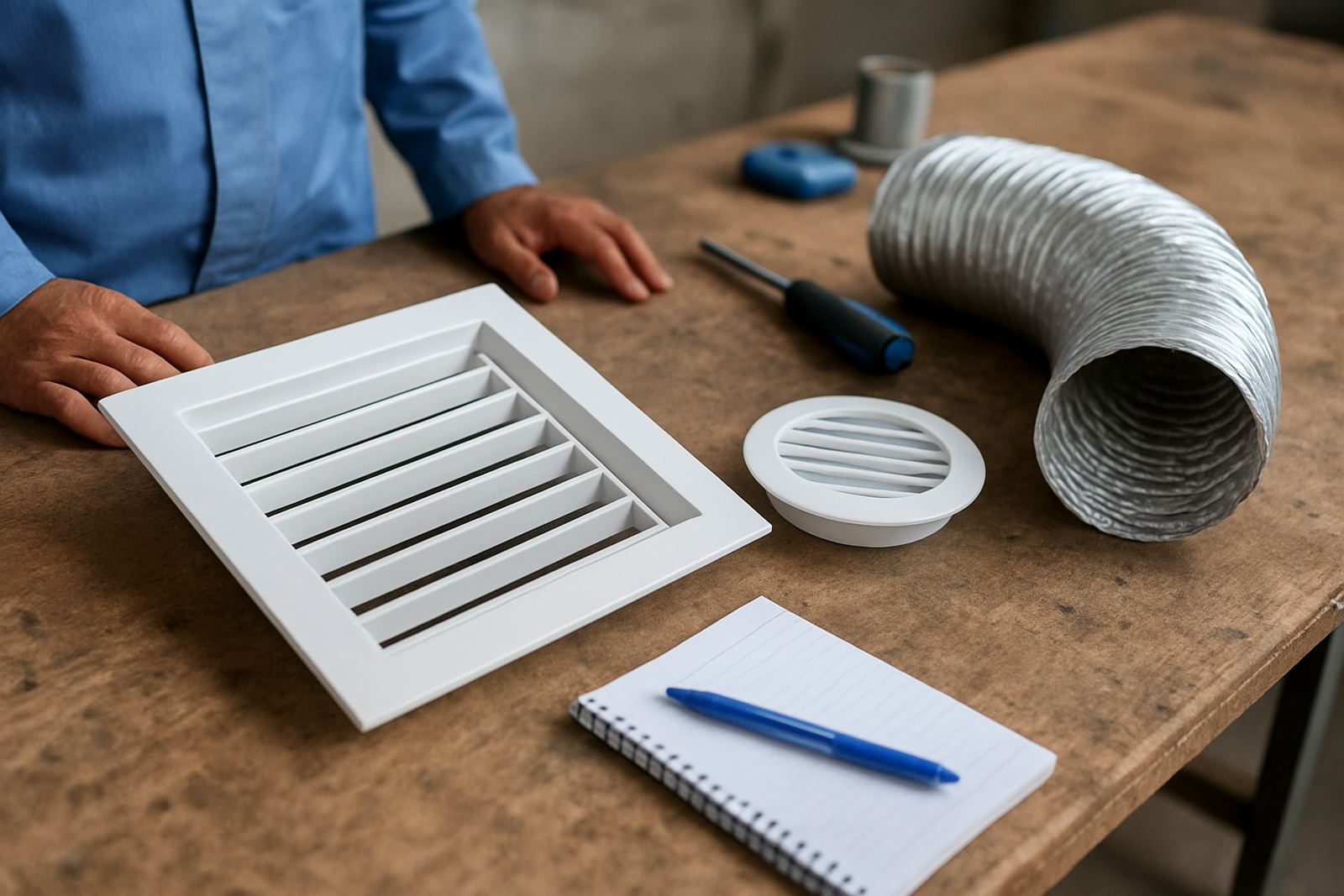
Airflow balancing is not only for comfort. It helps prevent one room from freezing while another still feels warm. It also reduces complaints about draughts, stale air and noisy operation. If a zone seems to run longer than the others, it may need damper adjustment, duct correction or a change in thermostat placement. Those small fixes often save more than people expect.
- Keep supply and return vents clear.
- Close windows and external doors when cooling.
- Do not block thermostats with curtains, shelves or screens.
- Ask for airflow balancing when one room feels harder to cool than the rest.
Service the system before the expensive months
Seasonal servicing is a practical saving measure, not just a maintenance task. Dirty filters, weak fans, low gas levels and clogged drains all make the system work harder. That means more power use and more strain on parts that should last longer. In coastal humidity this gets worse, but even inland dust from busy roads and building sites can build up quickly.
A proper service should include filter cleaning or replacement, drain checks, coil cleaning, electrical inspection and a look at the controls. It is also the right time to spot early faults such as a damper that sticks, a thermostat that reads wrong or a fan that sounds off. Catching these issues early is cheaper than waiting for a breakdown during a heat wave or a cold snap.
- Schedule servicing before summer and before winter.
- Replace or clean filters on time.
- Check for water leaks, strange noises and weak airflow.
- Keep a record of service dates and faults found.
Use a simple monthly checklist to stay in control
A good energy saving routine does not need to be complicated. A short monthly check helps you spot waste before it becomes a bigger account at the end of the month. Assign one person to look at schedules, temperatures and obvious problems. In a home that might be the person who knows the household routine best. In an office it could be the facilities manager, receptionist or operations lead.
Use this list as a basic check each month:
- Are unused zones switched off or reduced after hours?
- Are setpoints still suitable for the season?
- Are timers and holiday programmes up to date?
- Are vents, filters and thermostats clean and unobstructed?
- Has any room become too hot or too cold compared with the others?
- Have there been any power cuts or loadshedding events that changed the settings?
If the answer to any of these is no, adjust the schedule or have the system checked. Small changes made early usually cost less than running a system badly for months.
Know when a system upgrade will save more than another month of waste
Some systems can be improved with better programming and balancing, while others are simply past the point where running costs make sense. If the equipment is overworking, rooms never settle properly, or the controls no longer suit the way the building is used, a retrofit or upgrade may be the better option. That is especially true in older homes and offices where new partitions, tenant changes or added work areas have changed the airflow.
When looking at an upgrade, focus on practical gains: stronger zoning control, better thermostats, improved dampers, and proper load calculations for the actual building use. A system that is sized correctly and set up for the way people live or work will usually cost less to run than one that has been patched together over the years.
If you are not sure where the waste is coming from, start with a site assessment, then compare the running pattern room by room. The answer is often in the schedule, the zoning or the airflow rather than the equipment itself.