What the Zone Control Panel does in a ducted system
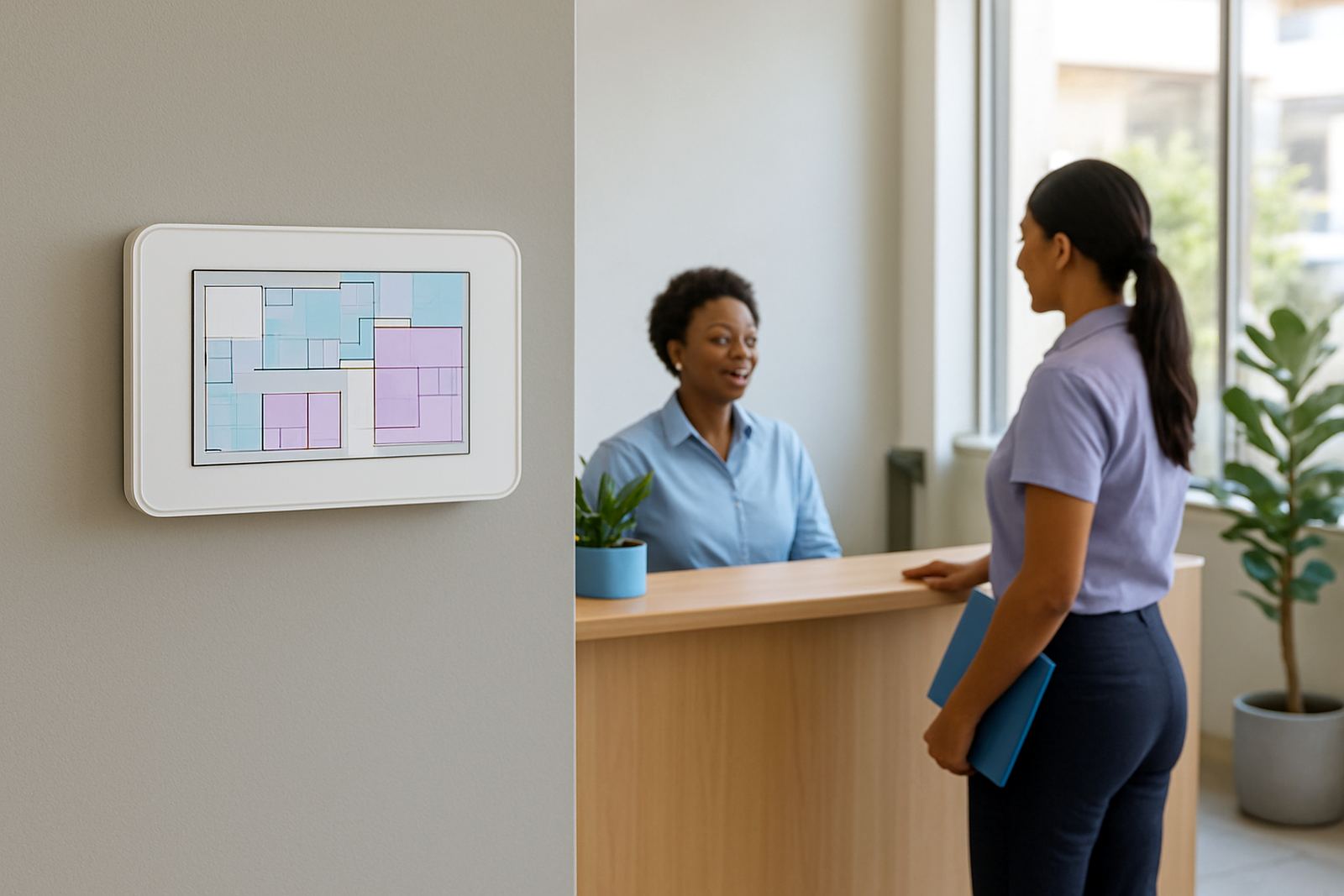
A zone control panel sits at the centre of a zoned ducted installation. It receives calls from room thermostats, opens or closes the dampers serving each area, and tells the indoor unit when to run. In simple terms, it decides where the air goes and how hard the system works.
In a Johannesburg house with a north-facing lounge and cooler bedrooms, the panel can keep the living area comfortable in the afternoon without overcooling the rest of the home. In Pretoria offices, it helps manage meeting rooms, open-plan work areas and private offices on different schedules, which matters when occupancy changes during the day.
This type of control is useful where one thermostat in a passage or reception area is not enough. It lets each zone call for conditioning on its own, while still protecting the equipment from short cycling and poor airflow. That means less strain on the indoor unit and better comfort overall.
Panel sizes, zoning options and control layouts
Zone control panels are selected according to the number of zones on the system and the type of dampers, sensors and thermostats being used. Small residential systems usually need 2 to 4 zones, while larger homes and offices can run 6, 8 or more zones from one panel, depending on the design.
Most layouts use a central controller, zone dampers on each branch line, a master thermostat or sensor, and individual thermostats in the selected rooms. Some systems also include bypass or static pressure control so the ductwork can handle low demand without pressure problems. On a careful install, the panel is matched to the air volume and duct sizes, not just the number of rooms.
- 2, 4, 6 or 8 zone control layouts
- Wall mounted or cabinet mounted panel options
- Compatible with motorised dampers and room sensors
- Manual override functions for testing and service work
- Output support for fan, compressor and auxiliary call signals
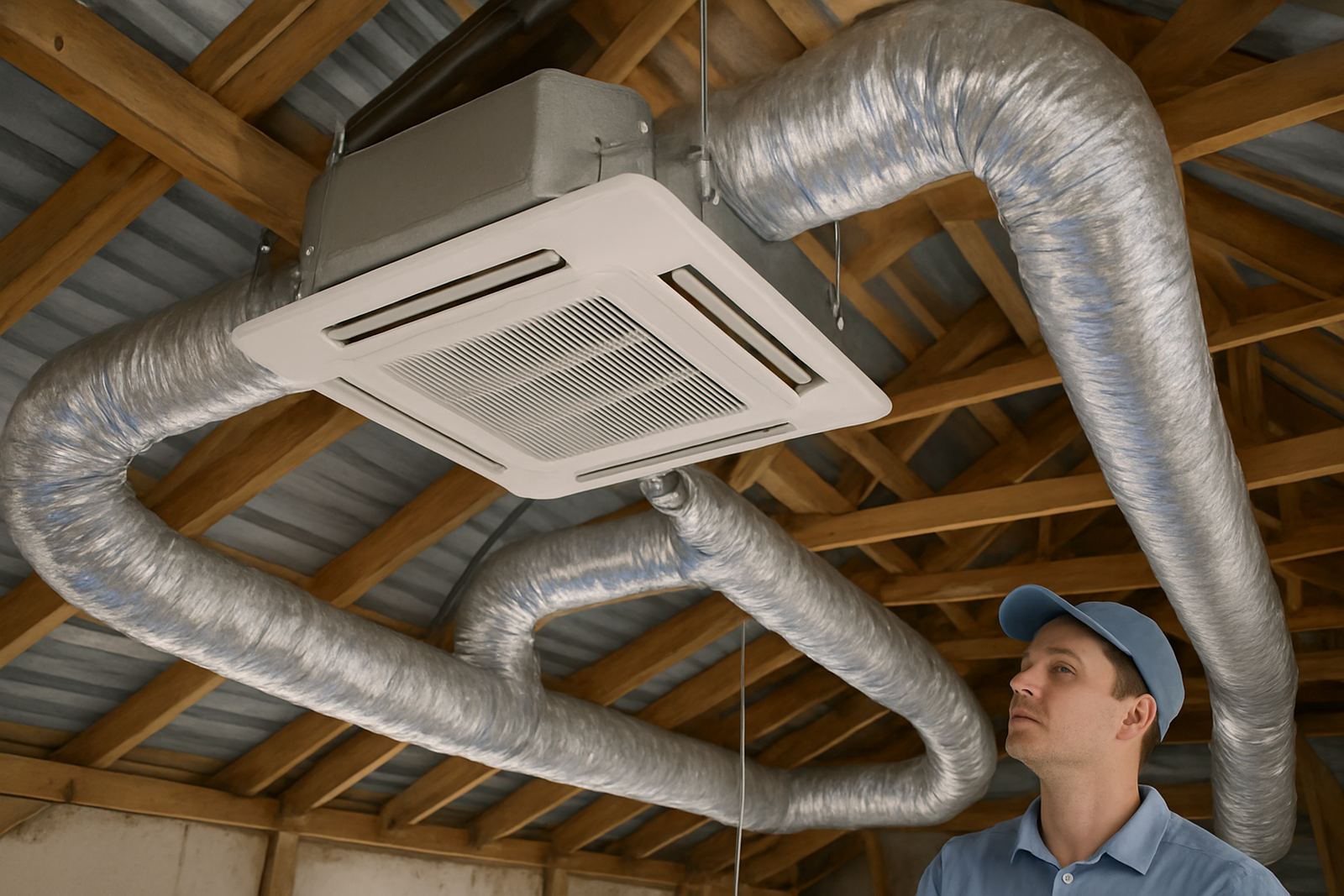
For retrofit work, the panel can often be fitted into an existing ducted system if there is enough space in the ceiling void or plant area. It is worth checking access early, because some older homes in Sandton or Randburg have tight ceiling spaces and limited service access.
Where this control panel suits best
This product suits homes and offices where different rooms are used at different times or need different temperatures. It is a practical choice for double-storey homes, larger free-standing houses, boardrooms, clinics, small commercial offices and mixed-use spaces where one system serves multiple areas.
It also helps in buildings where sun load changes through the day. A west-facing office in Pretoria East may need more cooling late afternoon, while a server room or back office may need constant conditioning. A zoning panel helps separate those demands instead of making one room control the whole building.
Coastal humidity is less of a concern in Johannesburg and Pretoria than on the coast, but dust, temperature swings and power interruptions still matter. A proper control panel should keep settings stable after load-shedding and restore zones in a predictable order when power returns, which avoids unnecessary starts on the equipment.
- Homes with bedrooms and living spaces used at different times
- Offices with boardrooms, open-plan areas and private rooms
- Retrofits where comfort complaints are coming from one or two rooms
- New builds needing room-by-room control from the start
Installation, wiring and power requirements
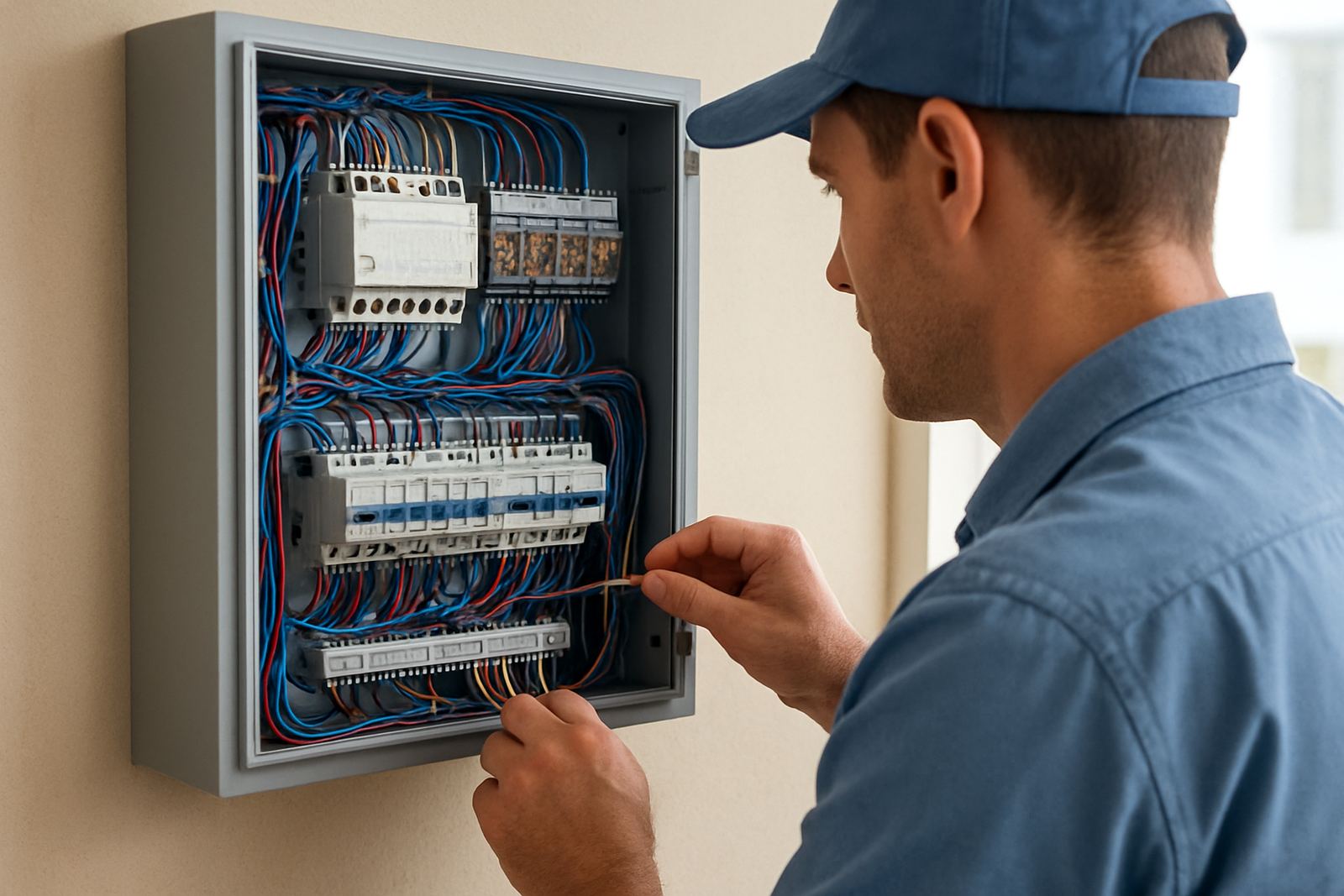
Installation should be done with the full ducted system in mind, not as a separate add-on. The installer needs to confirm the number of zones, damper motor type, thermostat type, air volume and whether the indoor unit needs static pressure control. The panel must be wired correctly to the dampers, sensors and main unit so the system responds in the right order.
For most projects, the panel will need a stable mains supply and a clean control layout. If the site is subject to frequent outages, it is wise to discuss how the system will restart after power is restored and whether any parts of the controls should be protected by backup supply. On office sites, the wiring path should also allow for future service work so technicians can test dampers and thermostats without opening every ceiling section.
If gas heating or a hydronic coil is part of the installation, the control panel must be coordinated with the heating controls as well. That is especially important on mixed systems where one zone is calling for cooling while another room asks for heat. Good commissioning prevents conflict between signals and keeps the plant from short cycling occasionaly.
Care, servicing and common fault checks
Like the rest of a zoned system, the control panel benefits from seasonal servicing. The panel itself usually needs little physical maintenance, but the dampers, sensors, cable terminations and thermostat settings should be checked at service intervals. Dust build-up in ceiling voids, loose wiring and seized damper motors are more common causes of trouble than the panel electronics.
If one zone is too warm or too cold, the issue may be in the damper, sensor location or airflow balance rather than the controller. It helps to check whether the zone is actually opening, whether the thermostat is reading the room correctly, and whether nearby doors are being left closed. In many homes, a bedroom with a closed door and a weak return path can give false comfort readings.
- Confirm each thermostat is reading the correct room temperature
- Check that dampers open and close fully during calls
- Inspect cable terminations after power interruptions
- Test airflow balance after filter changes or duct alterations
- Review fan settings if the system is cycling too often
For service teams in Johannesburg, Sandton, Randburg, Pretoria, Centurion and Pretoria East, a clear fault report saves time. Note the affected zone, the time of day, whether the main unit is running and if the problem started after a power cut or maintenance visit.
What to confirm before ordering a zone control panel
Before ordering, confirm the number of zones needed, the type of dampers already in use, and whether the thermostats will be room mounted or centrally located. It is also important to know if the system is a new build or a retrofit, because that changes the wiring route, the access requirements and sometimes the control strategy.
Check the indoor unit details, the duct sizes and the available space for the panel and cabling. If the project includes more than one floor, ask how the zones are grouped and whether any areas should remain linked for airflow reasons. A strong design prevents a small bedroom from calling for cooling on its own and causing noise or pressure issues in the ducts.
For offices, it helps to list normal occupancy, meeting room use, after-hours operation and any zones that must stay conditioned outside business hours. That gives the installer the information needed to select the right control logic and avoid surprises once the building is occupied. A proper handover should include labels, settings and a quick explanation of how the system should behave after load-shedding or a fault reset.
Key facts
| Function | Central control of dampers, thermostats and fan calls across multiple zones |
|---|---|
| Typical zone count | 2 to 8 zones on most residential and light commercial layouts |
| Control inputs | Room thermostats, sensors and main system call signals |
| Outputs | Motorised damper control, fan demand and system enable signals |
| Installation type | New build or retrofit into ducted air-conditioning systems |
| Service requirement | Seasonal testing of dampers, wiring, sensors and airflow balance |