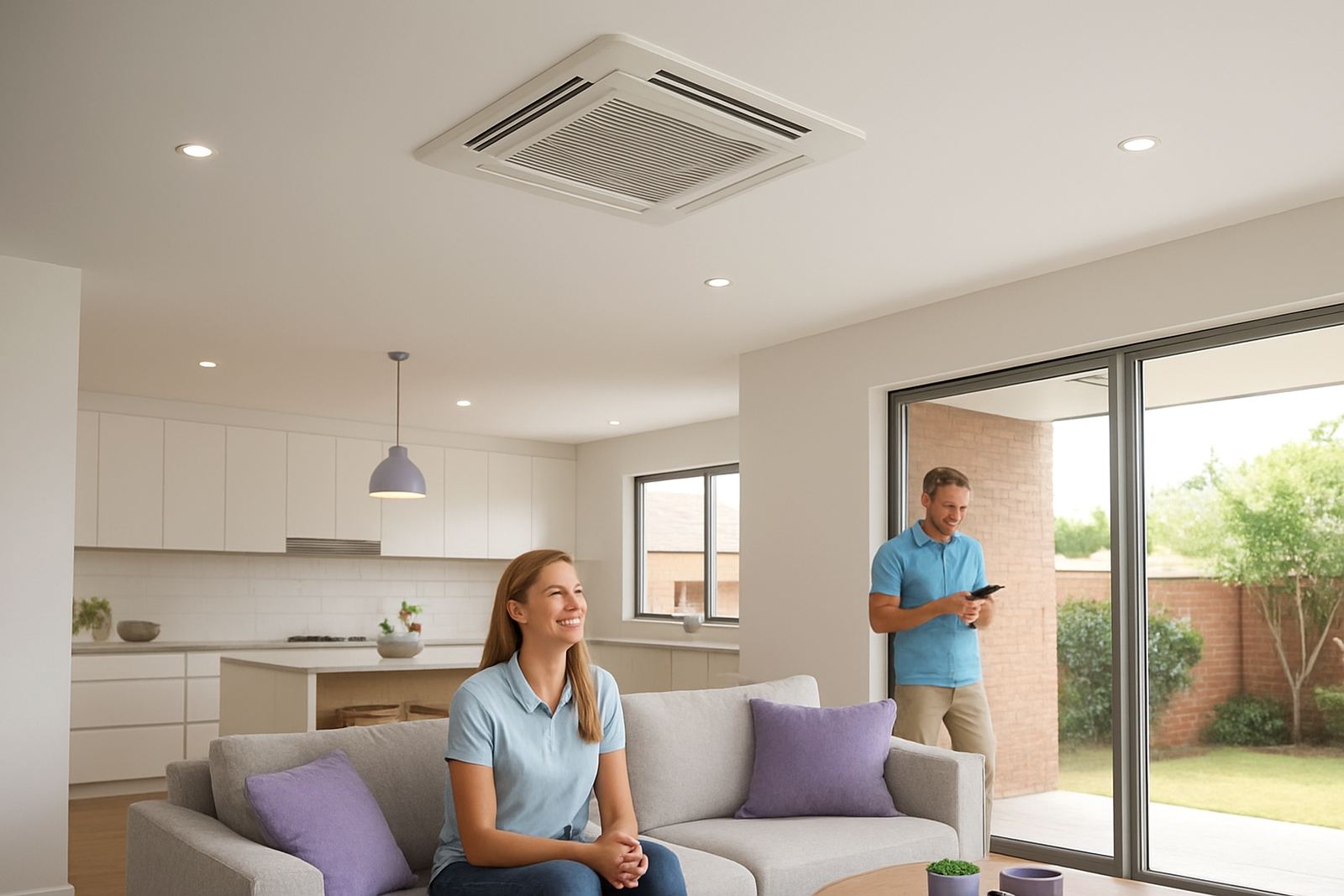
What a High Static Unit Does
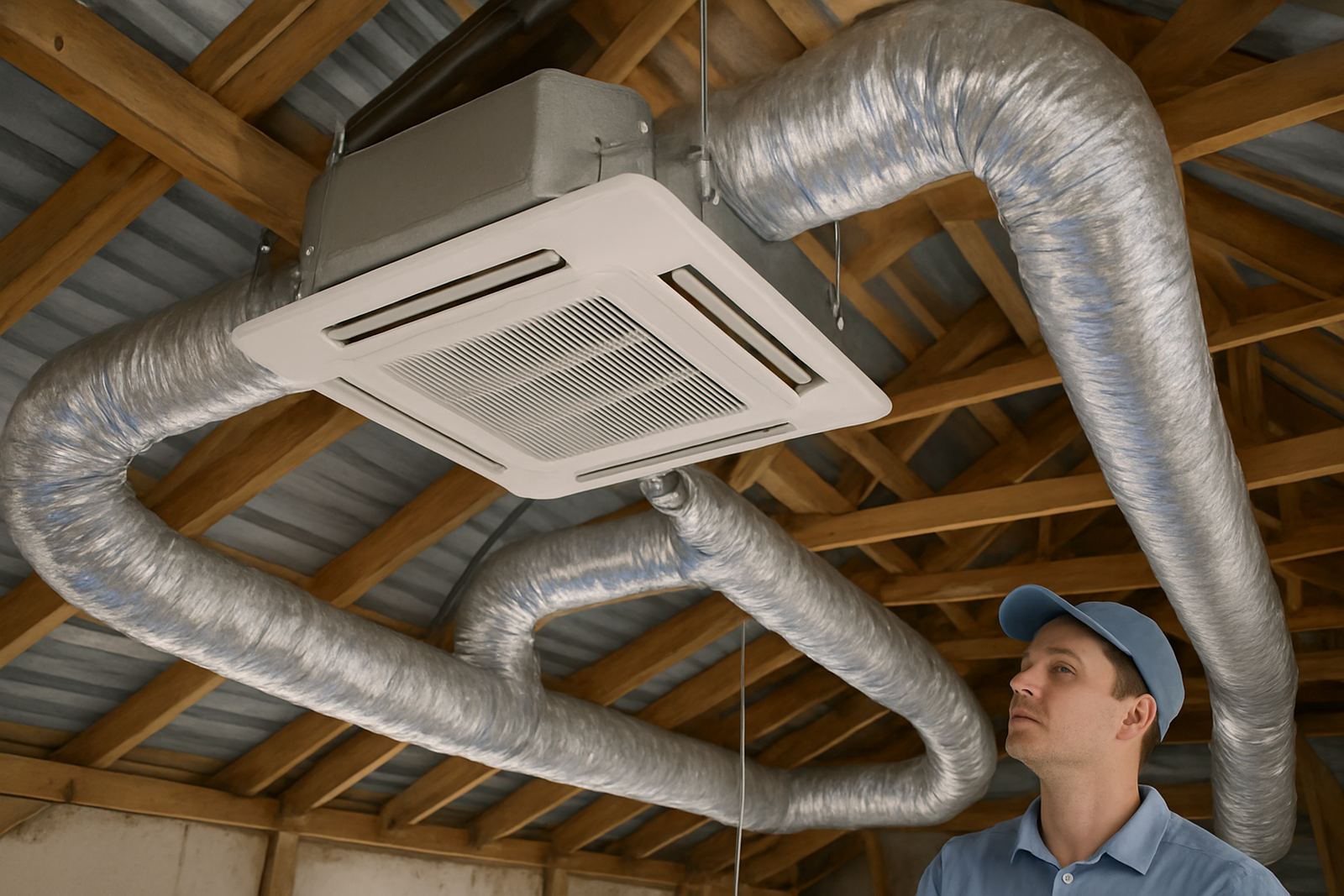
This type of ducted air-conditioning unit is built to move air against higher resistance. In practical terms that means it can push cooled or heated air through longer duct runs, multiple bends, zoning dampers and return air paths without falling away in performance.
For homes in Sandton, Randburg, Pretoria East and Centurion, it suits layouts with several bedrooms, a pyjama lounge, study and living area all needing separate control. In offices it is often the better option when the ceiling space is tight and the ductwork has to spread across a wider floor plate.
Because the fan section is sized for higher pressure, the system needs proper design from the start. If the ducts are too small, or the return air is undersized, the unit will become noisy and waste power. That is why the airflow design and load calculation matter just as much as the unit itself.
Sizes, Airflow and Control Options
High-static units are selected by cooling load, duct length and the number of zones, not just by room count. The right size will depend on ceiling height, sun exposure, glazing, insulation and how many people occupy the space during the day.
- Common capacities include 7.1 kW, 10 kW, 12.5 kW, 14 kW and larger on request
- Suitable for 2 to 8 zones depending on duct layout and room sizes
- Variable speed indoor fan options for better pressure control
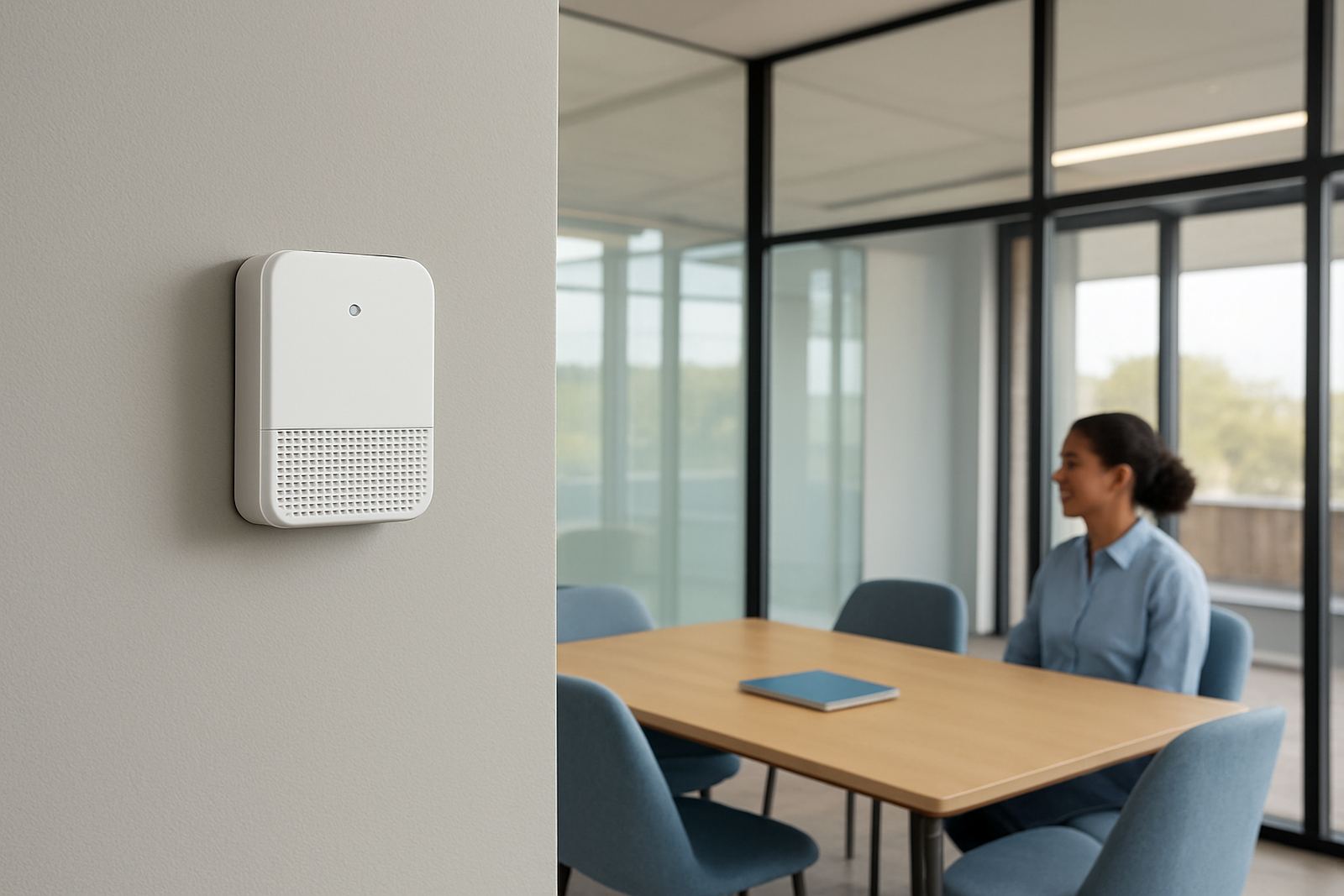
- Smart thermostat and zoning control for room-by-room adjustment
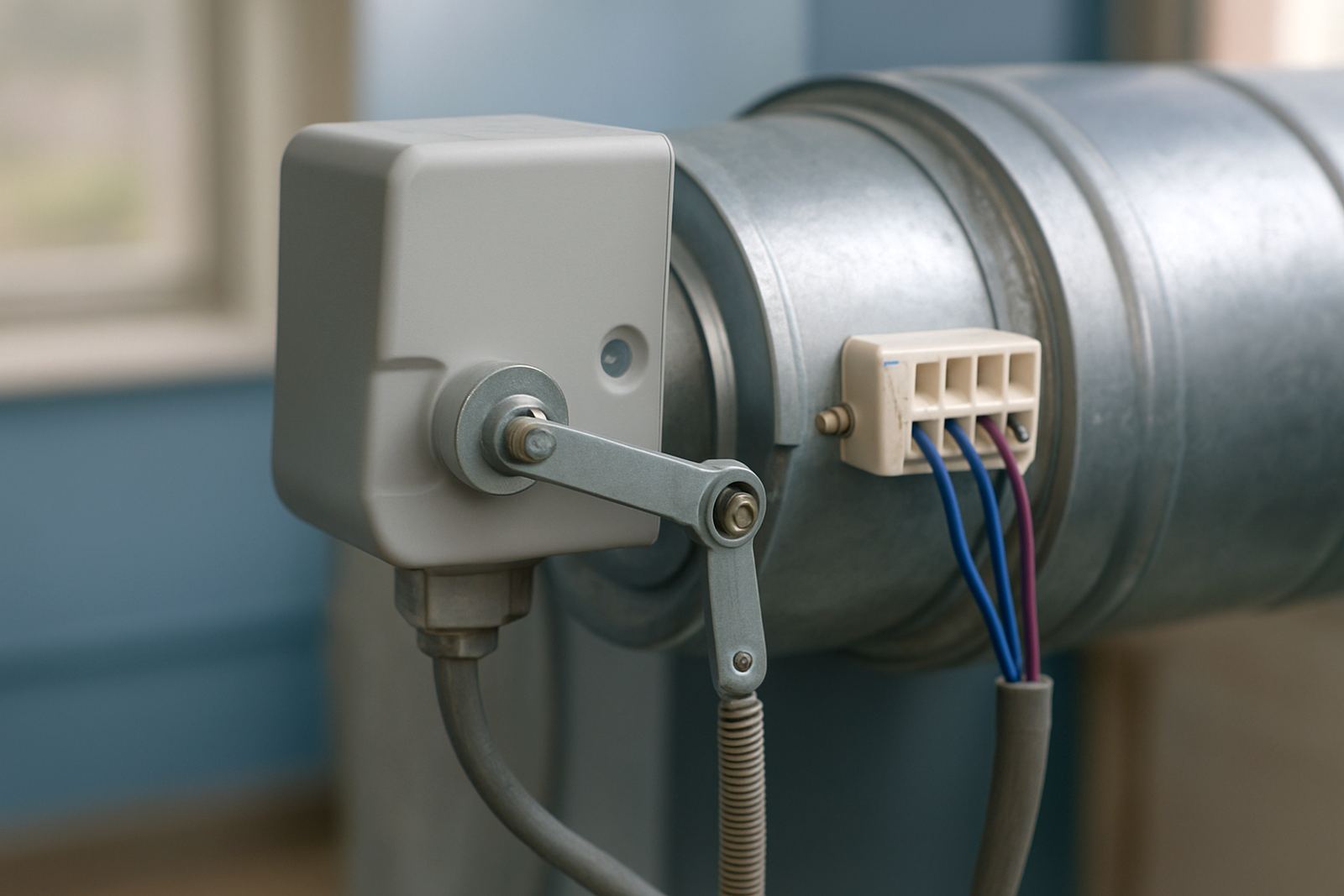
- Motorised dampers for occupied rooms, guest rooms and closed-off areas
In a well set out home, one thermostat can manage the main schedule while individual zones are trimmed by room use. For example, a north-facing main bedroom can call for more cooling in summer, while a passage or unused room can stay closed off. That helps reduce overcooling and gives better day to day comfort.
Where It Suits Best in Johannesburg and Pretoria
This unit works well where the duct route is long, the ceiling void is limited, or the building layout has changed over time. Many Johannesburg homes have had alterations, added wings or enclosed patios that make airflow less straightforward. In Pretoria, larger stand-alone homes and office fitouts often need longer supply runs to reach several rooms from one plant position.
It also suits coastal-humidity habits inland in the sense that people expect the system to work hard for long periods during hot spells. In summer the demand can stay high for most of the day, so the unit must maintain air delivery without struggling through the last room on the run.
- Multi-room homes with separate living areas and bedrooms
- Offices with partitioned layouts and meeting rooms
- Retrofits where ducts need to travel around existing structure
- Projects needing multiple zones and balanced return air
Installation, Power Supply and External Plant
A high-static system needs proper space for the indoor unit, access panels and duct connections. It also needs correctly sized return air and supply ducts, well sealed joints and sufficient insulation to avoid heat gain in the roof space. If the ducts leak, the unit will work harder and the zones at the far end will not perform as expected.
The outdoor unit is normally installed where there is enough ventilation and service access, with allowance for noise, neighbours and municipal rules where applicable. On some sites the condensate drain route must be planned carefully so that water can discharge correctly and not back up into ceilings.
Power requirements depend on the final capacity and whether the unit is single phase or three phase. During load-shedding, clients often choose to keep the zoning control simple so the system starts cleanly when power returns. If the site has backup power, it must be checked against the starting current and total running load before installation.
- Allow space for service access at both indoor and outdoor equipment
- Check ceiling depth, bulkheads and plant room clearance early
- Use insulated ducts for better temperature control and lower noise
- Confirm electrical supply, isolator position and breaker capacity before ordering
Care, Servicing and Common Faults
Like any ducted system, a high-static unit needs regular maintenance to keep airflow steady. Filters must be cleaned or replaced on schedule, ducts should be inspected for dust build-up, and the dampers need to move freely so zones open and close properly. In Pretoria offices and Johannesburg homes with pets or building dust, servicing often needs to be more frequent than people expect.
Seasonal servicing normally includes checking refrigerant performance, fan operation, drain condition, thermostat settings and the condition of the insulation. It is also worth checking that the system is not short cycling because of poor zoning setup. That can happen when too many small zones are closed at once and the airflow has nowhere to go.
- Weak airflow at the far rooms
- Excessive noise in ceilings or at diffusers
- Zones not opening or closing properly
- Water leakage from blocked drains
- Higher than expected electricity use
Early fault finding is usually cheaper than waiting until the unit trips, freezes up or starts delivering uneven temperatures across the building.
What to Check Before You Order
Before placing an order, the most important step is confirming the design conditions. A unit that is too small will never keep up, while one that is too large can cycle badly and waste energy. The duct layout must match the static pressure of the unit and the room-by-room zoning strategy must suit how the property is actually used.
Ask for the correct information up front so the installation runs properly first time. That reduces call backs and avoids expensive rework after ceilings are closed.
- Floor plan with room names and ceiling details
- Number of zones required and which rooms need independent control
- Approximate duct lengths and return air position
- Power supply type, backup power details and breaker size
- Any roof space limits, access issues or noise concerns
- Whether the project is a retrofit, renovation or new build
For sites in Johannesburg, Sandton, Randburg, Pretoria, Centurion and Pretoria East, Airzone can assist with site assessments, system design, load calculations, airflow balancing and commissioning so the final setup matches the building instead of fighting it.
Key facts
| Type | High-static ducted indoor unit for zoned systems |
|---|---|
| Typical capacities | 7.1 kW to 14 kW plus, subject to design |
| Airflow control | Variable fan speed with higher external static pressure capability |
| Zones | Usually 2 to 8 zones depending on layout |
| Control | Smart thermostat with motorised dampers |
| Application | Long duct runs, larger homes, offices and retrofit installations |