What the Zone Actuator Motor Does in a Zoned System
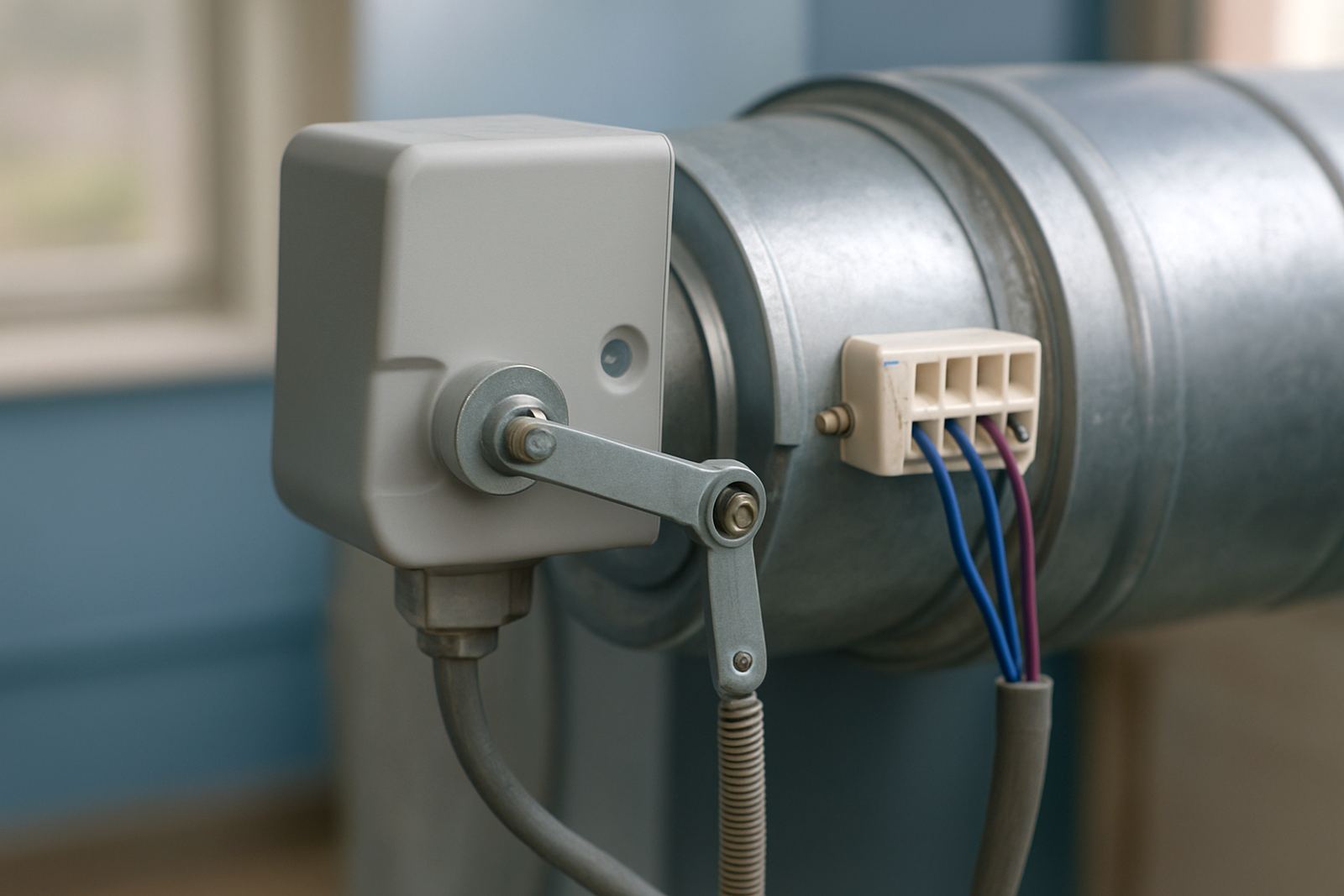
The actuator motor is fitted to a duct damper and moves it open or closed when the thermostat or zone controller calls for cooling or heating. In plain terms, it decides which rooms receive air and which rooms stay closed off at that moment. That makes it a key part of any ducted system where bedrooms, boardrooms, open-plan areas or tenant spaces need different conditions at different times.
When the motor is working properly, the damper should move without hesitation and hold position under normal system pressure. If it starts sticking, chattering or failing to travel fully, the zone will not balance correctly and you often get complaints of hot spots, cold rooms or uneven airflow. In Johannesburg and Pretoria we see this a lot in offices with changing occupancy and in homes where the upstairs and downstairs zones are used at different times.
Sizes, Control Types and Matching the Correct Motor
Zone actuator motors are not all the same and the correct choice depends on damper size, shaft type, torque requirement and the control signal used by the system. The main options are standard torque motors for small to medium dampers and higher torque units for larger branch ducts or dampers exposed to stronger air pressure. Some models are spring return, while others are non-spring return, so the damper behaviour on power loss must be confirmed before ordering.
On the control side, check whether the motor is designed for 24 V AC or another low-voltage supply, and whether it uses simple open and close control or a modulating signal for finer movement. A replacement that looks similar can still be wrong if the shaft coupling, rotation direction or travel angle does not match. That is one of the most common ordering errors and it can waste time on site.
- Torque rating matched to damper size and duct pressure
- 24 V AC low-voltage control for most zoned systems
- Open and close or modulating operation, depending on the controller
- Spring return or non-spring return, based on the required fail position
- Direct mount or bracket mount depending on the damper arrangement
Where It Suits in Homes, Offices and Fit-Outs
This motor suits ducted systems in houses, townhouse complexes, boardrooms, consulting rooms, shops and office fit-outs where one air-conditioning plant serves more than one area. It is also useful in retrofits where the original damper motor has failed and a replacement-ready unit is needed without changing the whole zoning setup. In coastal Gauteng style conditions humidity is not as harsh as Durban, but dust and long running hours still shorten the life of cheap parts, so the motor needs to be selected with care.
It works well on zoning that separates living areas from bedrooms, or in commercial spaces that must shut down sections after hours. For example, a reception area may need a different setting from private offices, or a north-facing room may need more airflow than a shaded room. If the system is being used during load-shedding recovery, proper zoning also helps the unit restore comfort without overworking the plant once power returns.
- Homes with upstairs and downstairs zones
- Offices with meeting rooms and private offices
- Retail and medical suites with separate occupancy patterns
- Retrofit projects where the existing damper stays in place
- New builds where zoning is planned from the start
Installation, Power Requirements and Site Checks
Installation is usually straightforward for a qualified HVAC technician, but the details matter. The motor must be fixed securely to the damper spindle, wired to the correct supply and tested for full travel before the ceiling is closed up. It also needs enough clearance for movement and access, because a cramped plenum can cause strain on the gear train. If the damper blade is tight, bent or poorly aligned, even a new motor will struggle.
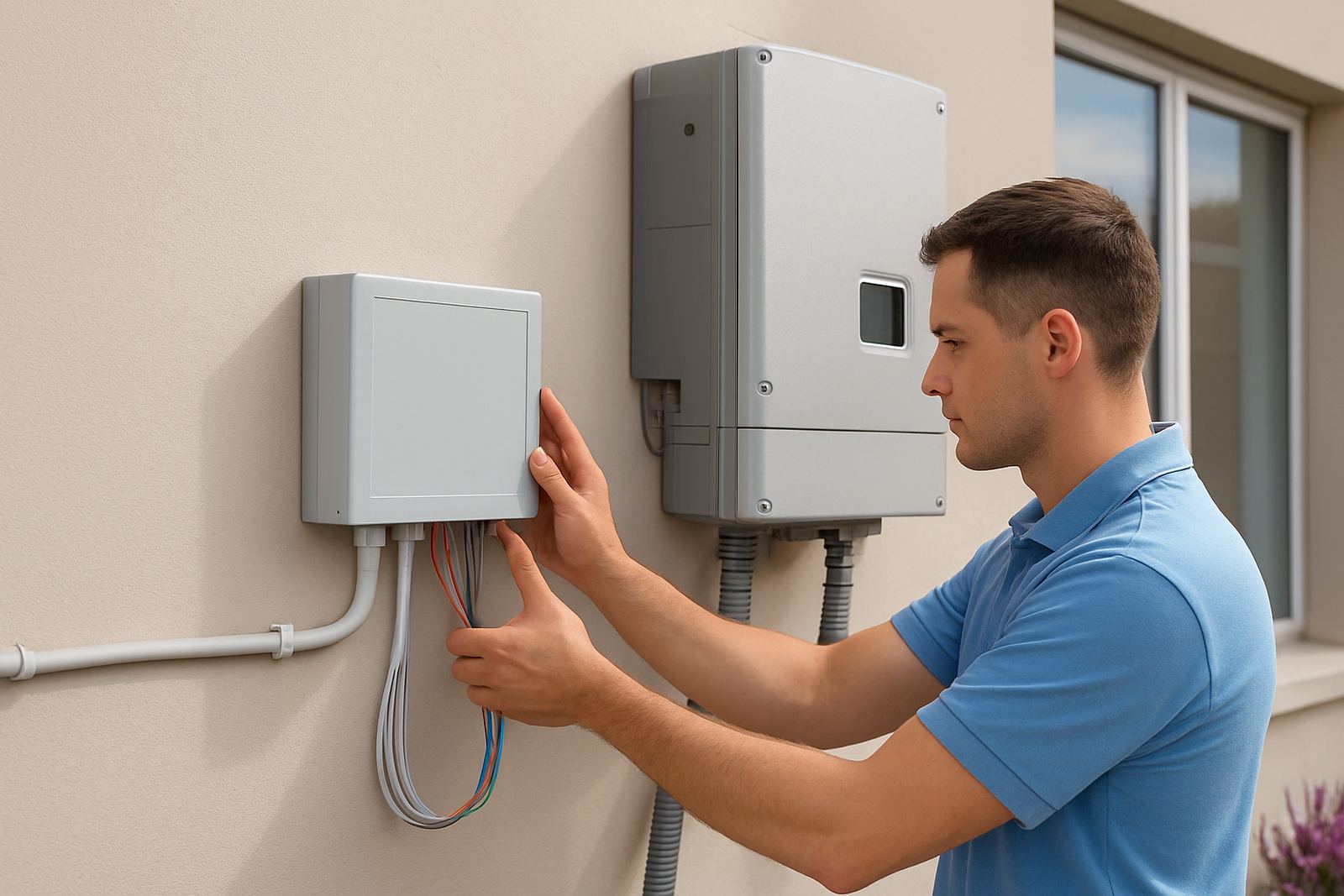
Most systems use low-voltage control and do not need any gas connection at the motor itself. The main requirement is a suitable electrical feed from the zoning panel or thermostat controller, plus correct polarity and control logic where applicable. Before fitting, check that the system is isolated, the damper opens freely by hand and the actuator direction matches the zone call. A quick functional test saves a lot of call-backs later.
In offices we also confirm that the power supply and controls will recover correctly after outages. If the system is on a backup supply or generator, the motor should not stall or lose position when voltage drops. That is especially important in Pretoria East and Sandton where offices often run longer hours and expect the zone to come back cleanly after power interruptions.
Care, Servicing and Signs of Wear
A zone actuator motor is generally low maintenance, but it still benefits from regular seasonal checks. During servicing, the technician should confirm the damper is moving fully, listen for unusual noise and inspect the linkage for wear or looseness. Dust build-up in ceiling voids can affect moving parts over time, and the motor may start to hum without completing its stroke if the blade is binding.
If you notice one room getting too much air, a zone staying stuck open, or repeated control errors from the thermostat, the actuator should be tested before larger faults are chased. Sometimes the issue is a motor that has lost torque, and sometimes it is wiring, a failed controller output or a stuck damper blade. Correct fault finding is important because replacing the wrong part is expensive and it does not fix the real problem.
- Check movement at every seasonal service
- Listen for grinding, humming or repeated clicking
- Inspect brackets, couplings and wiring terminals
- Clean dust from accessible fittings where needed
- Replace motors that no longer reach full travel
What to Check Before You Order a Replacement
Before ordering, confirm the motor voltage, torque, shaft size, rotation direction and fail position. Also note whether the existing damper is round or rectangular, how it mounts, and whether the actuator must return closed on power loss or stay in its last position. A photo of the old unit and the label details is very helpful, because some motors look identical but are not interchangeable.
You should also check the zone controller output and whether the system is wired for simple two-position control or modulating control. If the replacement must work with a smart thermostat, make sure the signal type matches the controller. For larger sites around Johannesburg and Pretoria we often cross-check the control panel, damper layout and duct pressure before confirming the part, because getting the wrong motor can hold up a service job by a full day.
For fast support, send the part details and a clear photo to design@airzone.co.za. We can help confirm the right actuator motor for new installs, retrofits and failed replacements, whether the job is in Randburg, Centurion, Sandton or Pretoria West. It saves time on site and helps keep the zone working properly from the start.
Key facts
| Product type | Zone actuator motor for duct dampers |
|---|---|
| Typical supply | 24 V AC low-voltage control |
| Operation | Open and close or modulating, depending on system |
| Torque range | Matched to small, medium or large dampers |
| Fail position | Spring return or non-spring return options |
| Use | Homes, offices, fit-outs and retrofit zoning |