What the Fresh Air Module does in a zoned system
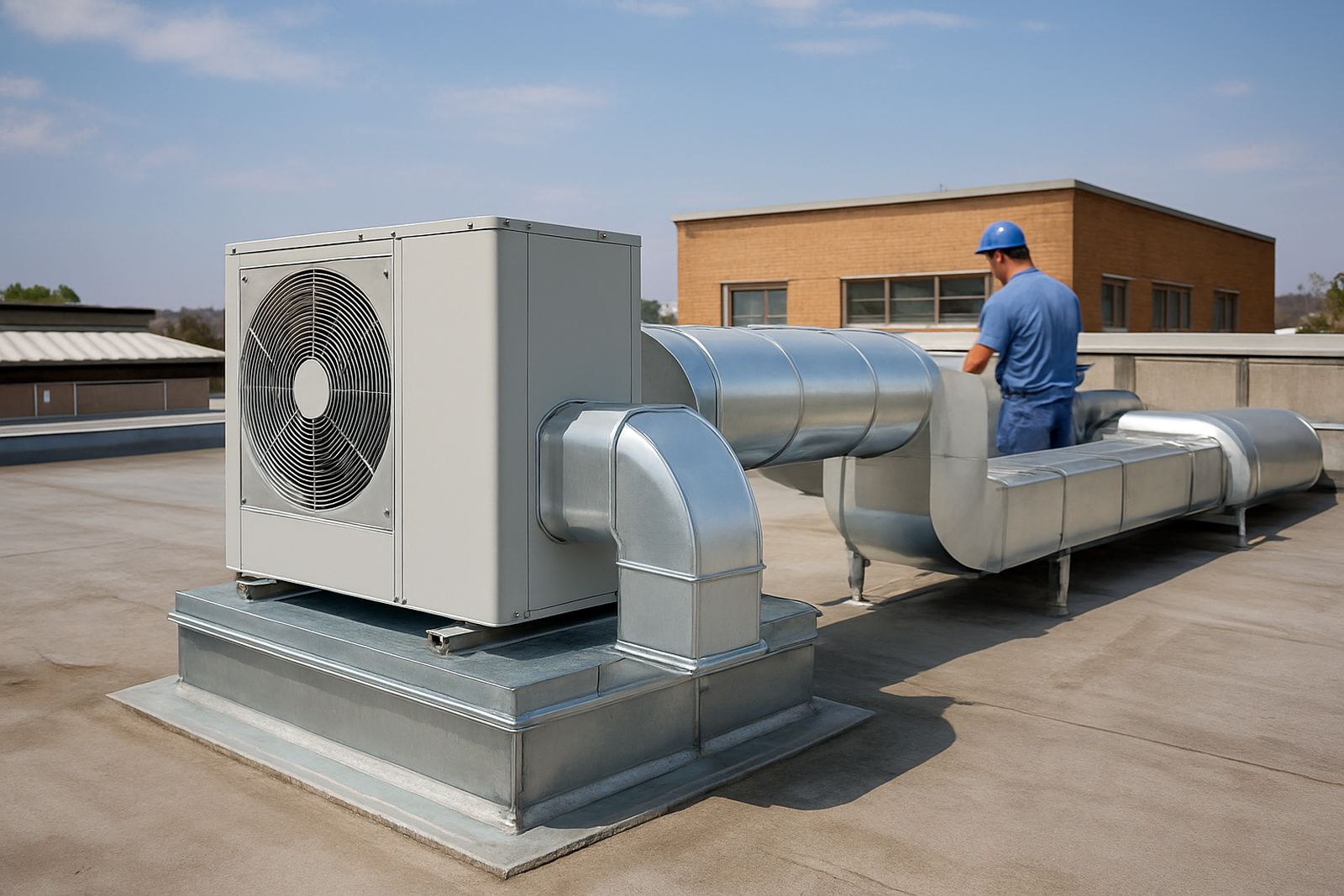
This module is fitted into the ducted air-conditioning path to introduce measured outdoor air into the supply side or return side, depending on the design. The aim is simple: keep the building from becoming stale while each zone still opens and closes as needed through dampers and smart thermostats.
It is not a stand alone cooler or heater. It works with the main air-conditioning equipment and ductwork, then adds fresh air in controlled amounts so the system does not overwork. In Johannesburg offices, or family homes in Pretoria with closed windows most of the day, that can make a real difference to smell, CO2 build-up and general comfort.
The module is normally selected during system design, but it can also be added during a retrofit if the existing duct layout and fan capacity allow for it. We check airflow, static pressure and where the intake can be placed before deciding on the size and controls.
Sizes, options and typical airflow ranges
Fresh air modules are usually matched to the size of the property and the number of people in the space. For smaller homes, a compact intake section may be enough, while larger offices often need a bigger duct section with higher airflow control and filter access. The exact selection depends on the main unit size, duct size and how much outside air is required.
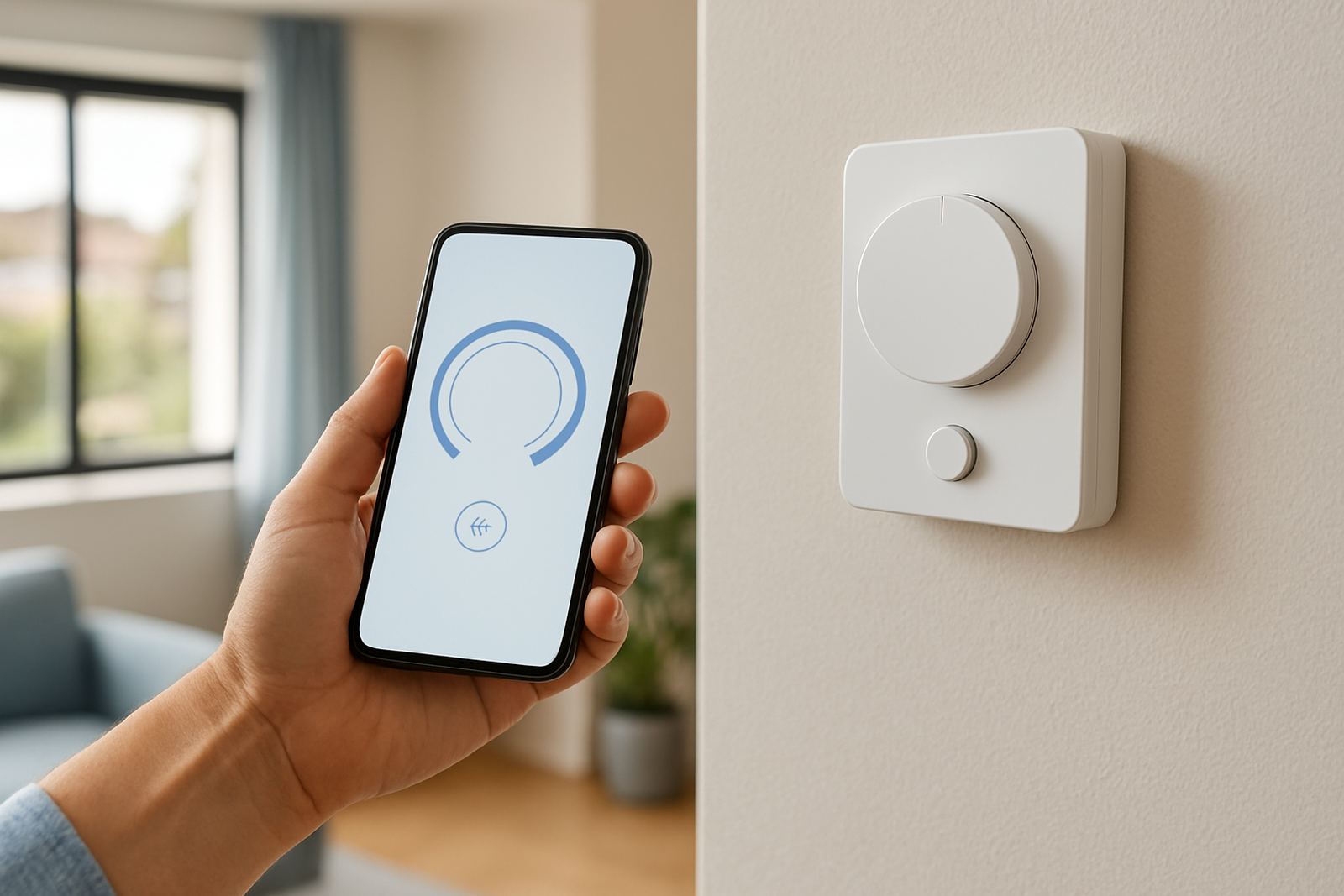
Common options include manual or motorised intake dampers, filter housings, insulated sections and sensor-based controls. In some installs the module is tied into the same thermostat logic as the zoned system, so the intake opens only when the main unit is running. That helps avoid unnecessary heat gain in summer or cold drafts in winter.
- Compact residential modules for small to medium homes
- Mid-size modules for sectional title homes and light commercial spaces
- Larger modules for open-plan offices and multi-zone buildings
- Manual or motorised damper options
- Filter access for regular cleaning or replacement
As a guide, we look at airflow in cubic metres per hour and balance it against the existing duct system. Too much fresh air can upset temperature control, while too little does not solve the ventilation problem.
Where it suits best in Johannesburg and Pretoria
This product is a good fit for properties where people spend long hours indoors and want better ventilation without opening windows. It is often specified for offices in Sandton, Randburg and Centurion, and for homes in Pretoria East and northern Johannesburg where dust, traffic noise or security concerns make natural ventilation less practical.
It is also useful in new builds where the client wants the ducted system planned properly from the start. For retrofit work, the ceiling space, roof access and available duct run need to be checked carefully. Older buildings in some parts of Pretoria and Johannesburg may need extra attention to roof heat, duct insulation and where the intake grille can be positioned away from exhaust outlets.
If the property is near a busy road, industrial area, or a place with high pollen levels, the intake should include proper filtration and a serviceable location. Coastal humidity is not the main concern in Gauteng, but indoor moisture and dust still affect filter life and fan load.
- Homes with closed windows and active air-conditioning use
- Boardrooms, call centres and small offices
- Multi-room properties with ducted zoning
- New builds needing fresh air planning from the outset
- Retrofits where the ceiling space allows duct modification
Installation needs, power and system checks
Installation starts with a site assessment and load calculations. We confirm the main system capacity, the duct sizes, the available ceiling space and the best intake position. The module must be installed so it does not create noise, backflow or a pressure problem in the ducting. In many cases a short section of insulated duct and a weather louvre are also required.
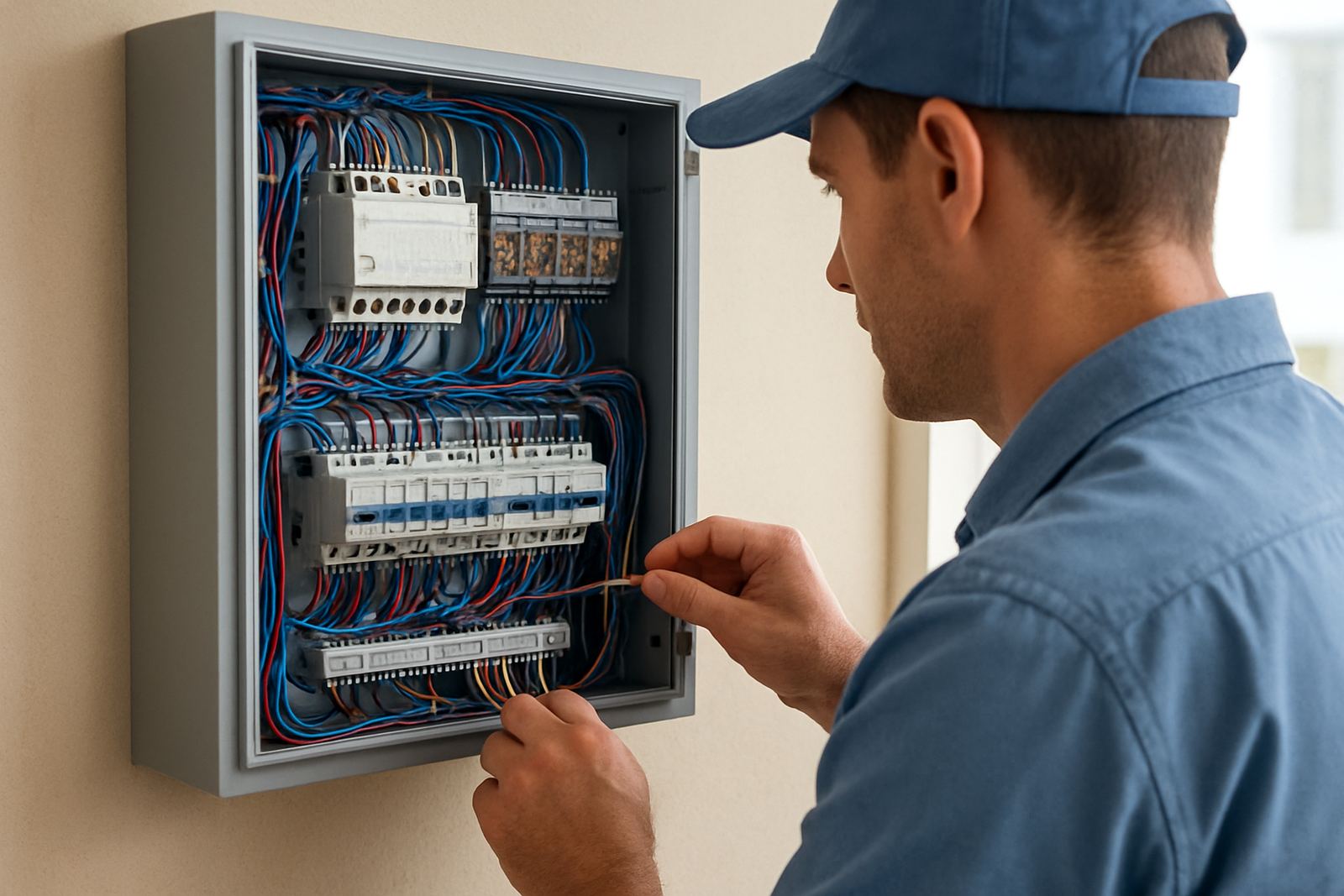
Power needs are usually modest, but the control side must be wired correctly. If the module has a motorised damper or a fan assisted intake, it needs a suitable electrical feed and proper control logic. For systems tied to smart thermostats, the fresh air call should be coordinated with the zone demand so the unit is not bringing in outside air when no zone is requesting conditioning.
For gas, the module itself does not normally use gas. However if it serves a building with gas appliances, we always check that the fresh air intake and exhaust arrangements do not interfere with combustion safety or municipal by-law requirements. A poor intake location can cause recirculation from flues or plant areas, which is not acceptable.
During commissioning we check airflow, damper travel, filter fitment and whether the system keeps stable temperatures when the intake opens. Small setup mistakes can cause draughts or noisy grilles, so this step matters.
Servicing, cleaning and long term care
Fresh air modules need regular servicing because they handle dust, pollen and occasional insects from outside. In Johannesburg and Pretoria, filters can load up faster during dry months and after windy spells. If the module is overlooked, airflow drops and the main air-conditioning system has to work harder.
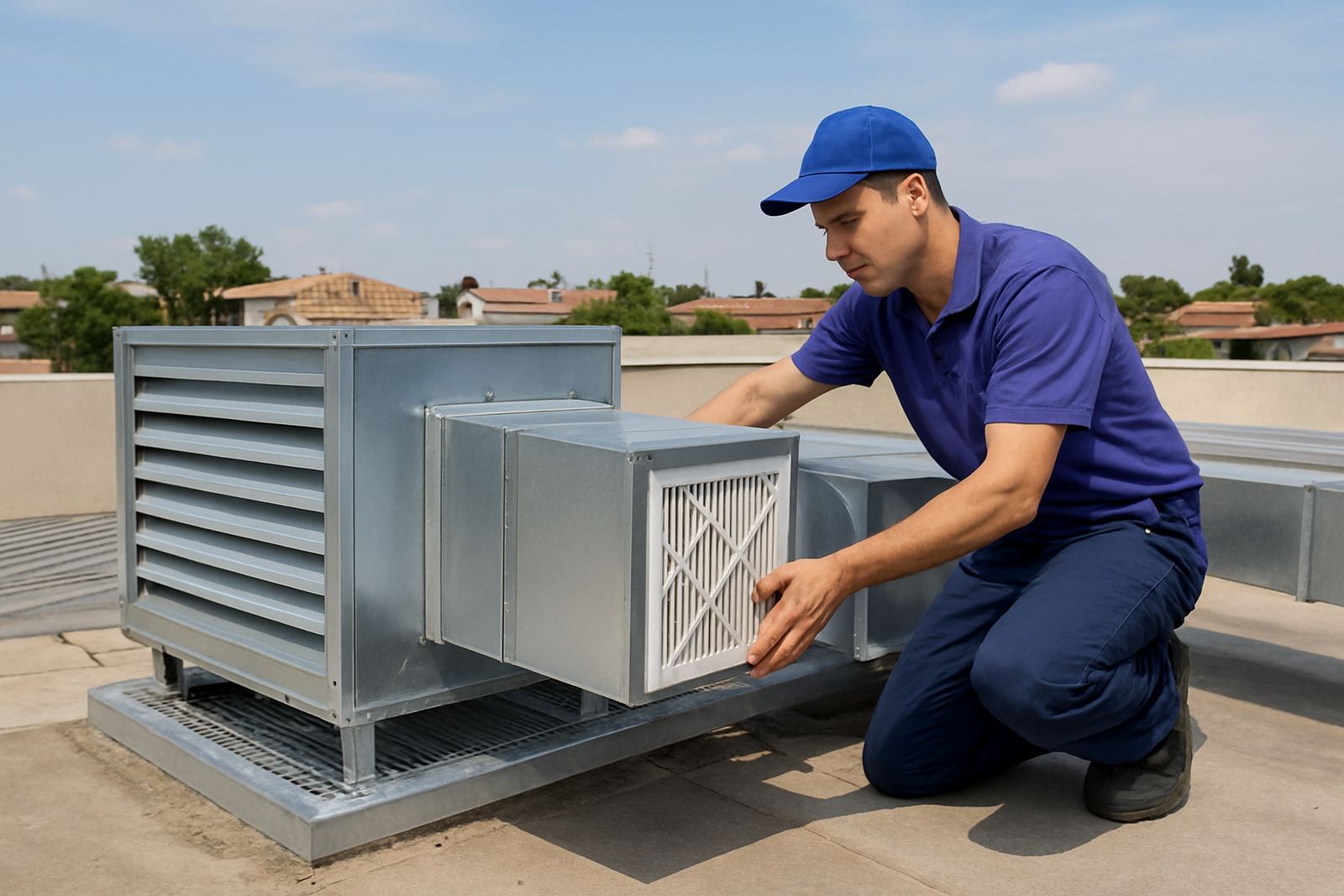
Good maintenance usually includes checking the intake grille, cleaning or replacing filters, inspecting the damper blades and confirming that controls still open and close correctly. If the module is linked to a thermostat or building control system, the sequence should be tested at least seasonally. A stuck damper or blocked filter can be hard to notice until people start complaining about stuffy air.
- Check filters every 1 to 3 months depending on dust levels
- Inspect intake grilles for leaves, nests and debris
- Test damper movement during seasonal servicing
- Confirm insulation is intact and not sweating
- Review airflow after any major system upgrade
In office settings, it is worth keeping a written service record. That helps with fault finding later and shows when airflow changed if the building starts to feel stuffy or uneven.
What to confirm before you order one
Before ordering, confirm the size of the main air-conditioning unit, the duct diameter or rectangular duct dimensions, and whether the system is single zone or fully zoned. You should also know how many people normally use the space, whether doors stay closed, and if any rooms need more ventilation than others.
It helps to know the available ceiling height, the outside wall or roof position for the intake, and whether there is already a filter section in place. If you are upgrading an older installation, check whether the existing fan can handle the extra pressure drop. If not, the module may need resizing or the whole system may need adjustment.
For a clean order, have these details ready:
- Property type and location in Johannesburg, Sandton, Randburg, Pretoria, Centurion or Pretoria East
- Main air-conditioning capacity and duct sizes
- Number of zones and thermostat type
- Whether the project is a new build or retrofit
- Desired fresh air control method, manual or automatic
- Any site restrictions for roof access, noise or intake placement
With the right details from the start, the module can be matched to the ducted system properly and set up to support indoor air quality without upsetting comfort control.
Key facts
| Product type | Fresh air intake module for ducted zoned air-conditioning |
|---|---|
| Typical use | Homes and offices needing controlled outside air |
| Control method | Manual damper, motorised damper or thermostat-linked control |
| Airflow basis | Selected to suit system capacity and duct static pressure |
| Installation | Ceiling or plant area integration with insulated ducting and filter access |
| Service interval | Check filters and dampers every 1 to 3 months, with seasonal servicing |