What the Smart App Controller does
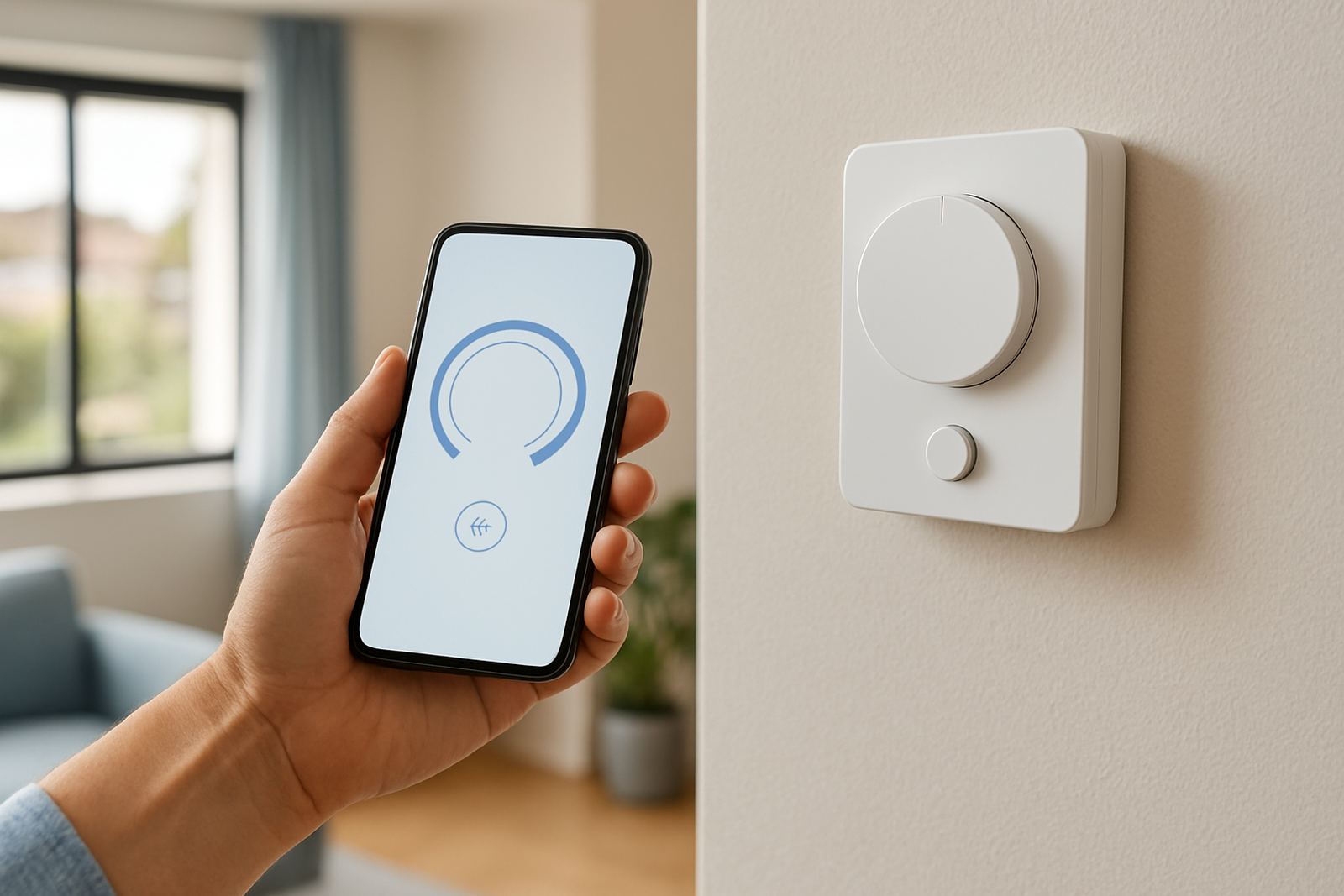
The Smart App Controller is the part of a zoned air-conditioning setup that links your ducted system to a mobile app, so you can change settings from anywhere with signal. It gives you remote access to schedules, set temperatures and zone status, which is handy when a meeting runs late, a child gets home early, or the office closes unexpectedly.
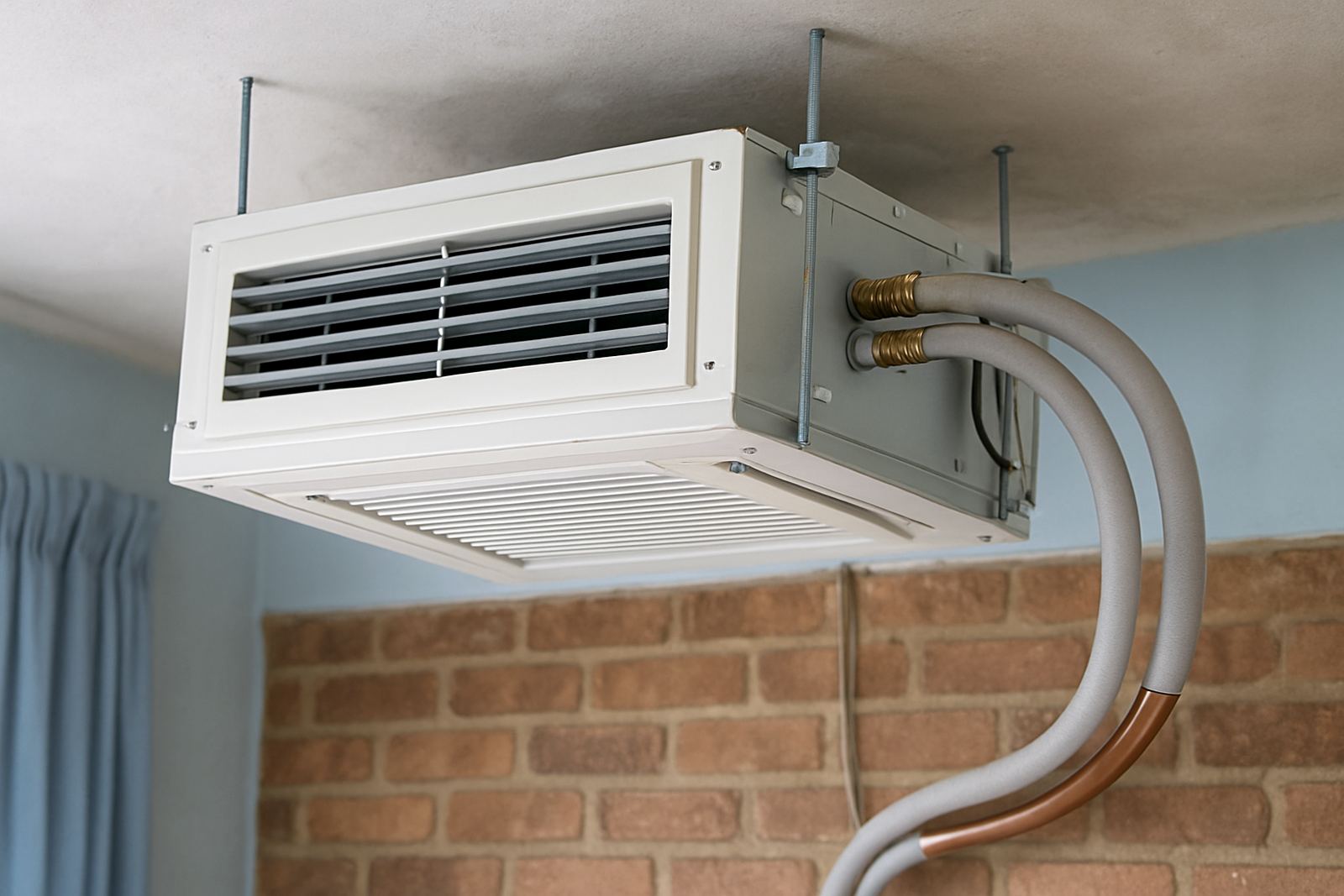
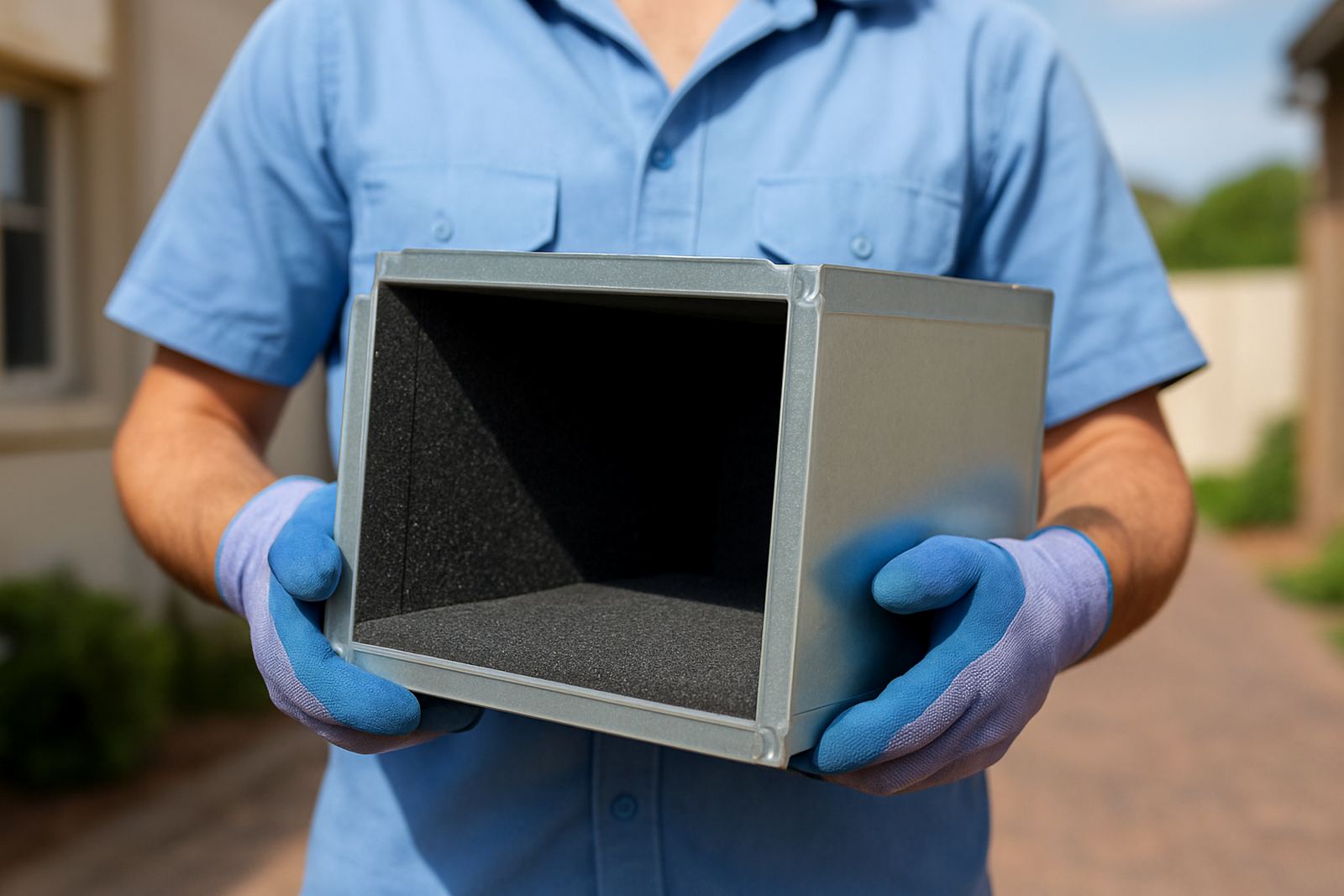
In practical terms, it works with motorised dampers and room sensors to direct air where it is needed. That helps reduce overcooling in empty rooms and gives better control during Johannesburg heat, Pretoria winter mornings, and those in-between weeks when one room is hot and another feels chilly.
- Remote start and stop from a mobile device
- Zone-by-zone temperature and schedule changes
- Simple view of which rooms are active
- Useful for homes, offices and consulting rooms
Sizes, options and system fit
The controller is usually selected to match the size of the ducted installation and the number of zones that need independent control. A small home system may only need a basic app-enabled controller with a few zones, while a larger office fit-out may need more detailed programming, more sensors and tighter scheduling. The important part is not the app alone, but how well it talks to the dampers, thermostats and air handler.
For most installs, we look at the number of rooms, ceiling void access, duct runs and whether the system is a new build or a retrofit. In Sandton offices with boardrooms and private offices, the controls often need time schedules. In a family home in Pretoria East, the need may be simpler, but the zones still have to be set correctly or one bedroom gets too much air and another not enough.
- Single dwelling systems with a few zones
- Larger homes with living areas, bedrooms and a study
- Office layouts with meeting rooms and shared spaces
- Retrofit projects where the ducts already exist
Where it suits best
This controller is a good fit where comfort needs change through the day and people are not always in the same place. It is useful in homes with bedrooms that must be cooled only at night, and in offices where the reception, open-plan area and private rooms run on different schedules. It also helps in second homes and rental properties, where owners want oversight without being on site.
In coastal use this type of control is also practical because humidity can change quickly and the system may need different running patterns. In Gauteng, it is handy during load-shedding recovery as well, because you can restart zones in stages instead of bringing everything on at once. That can help the system settle properly, though the exact response depends on the rest of the installation.
- Bedrooms, main living areas and entertainment rooms
- Medical rooms, studios and professional offices
- Properties with staff managing the building off site
- Buildings where energy use needs closer control
Installation, wiring and power needs
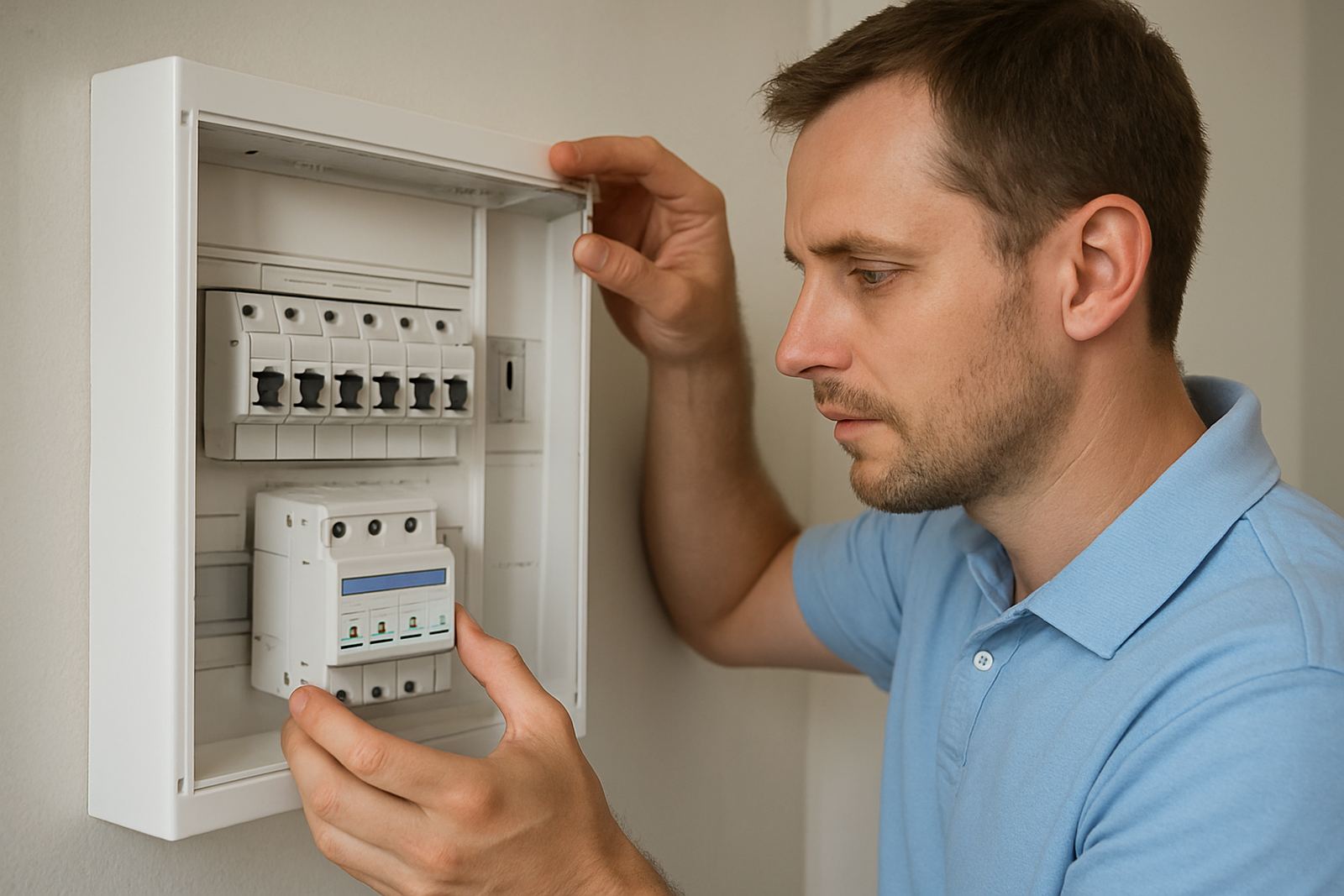
The controller is installed as part of the full zoned air-conditioning system and should be wired by a qualified technician who understands the indoor unit, dampers and sensors. It normally needs a suitable power supply, reliable communication to the control panel, and correct configuration during commissioning. If the app is linked to Wi-Fi or a network connection, that connection must be stable enough for daily use.
For new builds, the best time to allow for the controller is before ceilings are closed, so cable routes, sensor positions and service access are sorted early. In retrofit work, the main check is whether the existing system has enough access for wiring and whether the duct layout can support room-by-room control. Poor access is where jobs slow down, so we always check that first.
- Qualified installation and programming required
- Needs proper access to ceiling voids and control points
- Should be paired with the correct dampers and sensors
- Tested on site for communication and zone response
Use, care and seasonal servicing
Once set up, the controller is straightforward to use, but it still benefits from periodic checks. App access should be kept current, zone names should stay clear, and schedules should be reviewed when staff or family routines change. If a zone starts reacting slowly or the readings look odd, it can point to a sensor issue, a damper fault, or an airflow problem elsewhere in the system.
We also recommend checking the system before peak summer and again before winter, especially in homes and offices that run long hours. Dust build-up, loose wiring, a flat backup battery on a control unit, or a blocked return air path can all affect performance. It is often a small thing, but small faults add up fast.
- Keep zone labels and schedules up to date
- Check that sensors are not blocked by furniture or curtains
- Review settings after office changes or room re-use
- Book seasonal servicing before heavy use periods
What to check when ordering
Before you order, confirm how many zones you need, what each room is used for, and whether the system is new or being upgraded. It also helps to know if the building has stable internet, where the controller will be mounted, and who will manage the app day to day. For offices, we usually ask who should have admin access and whether different staff need different permissions.
If you are comparing options, check these points carefully so the system is not undersized or overcomplicated:
- Number of zones and rooms to be controlled
- Type of existing ducted system or planned new system
- Whether remote access, local control or both are needed
- Availability of wiring routes and ceiling access
- Power supply and network connection points
- Who will receive app access and service notifications
When the details are right, the controller becomes part of the building routine rather than a gadget people fight with. That is the aim, clean control with less fiddling and fewer call-backs.
Key facts
| Control type | Mobile app connected zoning controller |
|---|---|
| Function | Remote scheduling and room-by-room zone changes |
| System use | Ducted air-conditioning with motorised dampers |
| Typical application | Homes, offices and mixed-use premises |
| Installation | Integrated with thermostat, dampers and sensors |
| Support area | Johannesburg, Sandton, Randburg, Pretoria, Centurion, Pretoria East |