What the surge protection module does in a zoned system
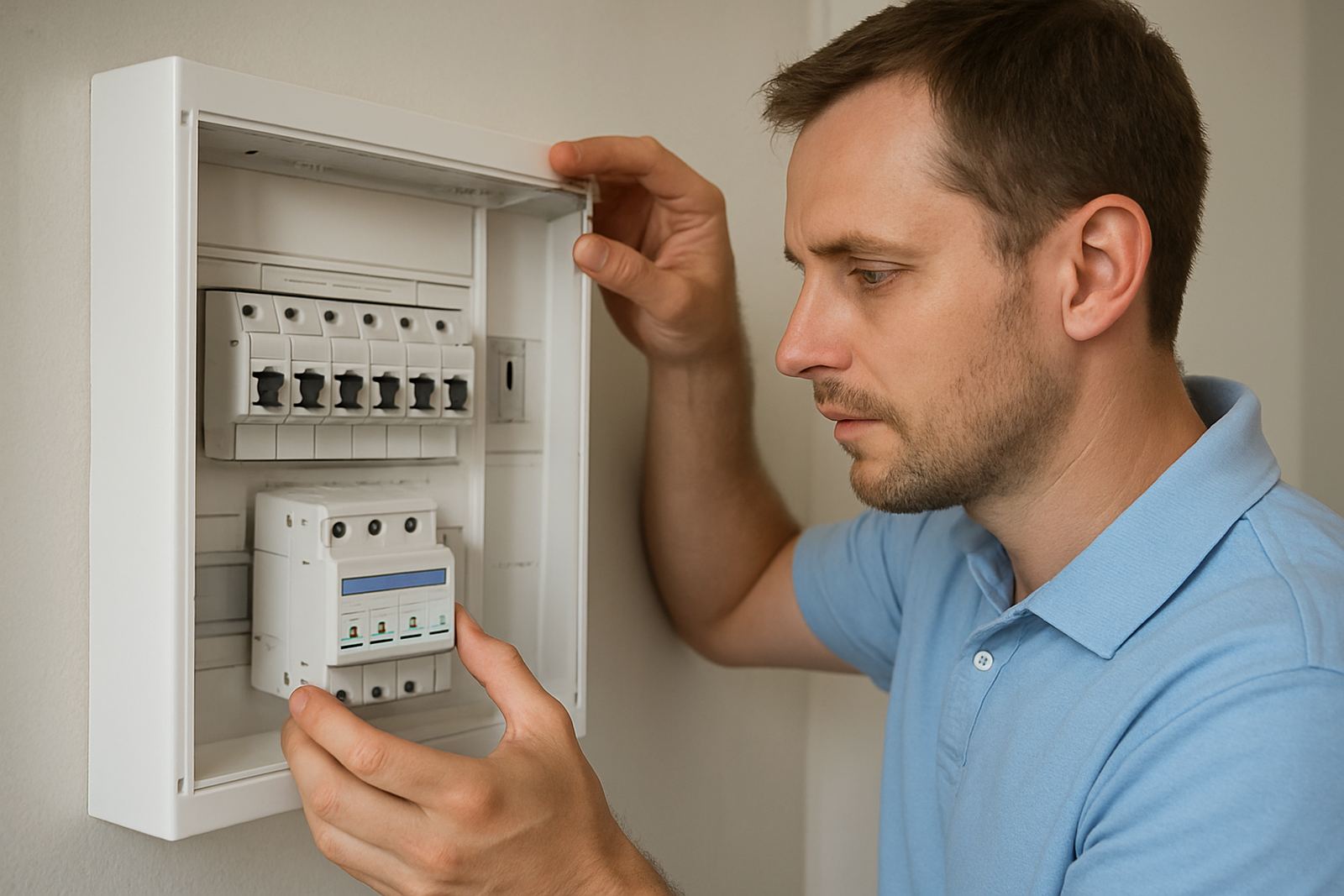
The surge protection module sits in the control side of a zoned ducted air-conditioning system and helps absorb short spikes that can damage electronics. It is not there to run the system, only to protect the parts that tell dampers and thermostats when and where to open. In a place like Johannesburg where load-shedding and utility switching can be hard on controls the extra protection is useful.
On zoned systems the most vulnerable items are usually the board, communication wiring, smart thermostats and any actuator or damper controls. Once one of those is hit by a surge, the fault can show up as a dead zone, a stuck damper, a controller that will not communicate, or repeated board failures after power is restored.
- Protects control boards from transient voltage spikes
- Helps reduce nuisance faults after outages
- Supports longer life for zoning electronics
- Useful on homes, offices and light commercial spaces
Typical sizes and protection options to match the system
The module is selected to suit the supply arrangement and the control panel layout. Most installations use a compact DIN-rail style device or a small inline module placed in the control cabinet. For larger sites there may be a higher capacity unit for the incoming control supply, plus local protection at sensitive branches if the design calls for it.
Choice is usually guided by how the zoning system is powered, the length of the control runs, and whether the site has a separate surge unit already in the main distribution board. If the building is near lightning-prone areas such as open suburbs around Pretoria East or has overhead supply lines, extra protection is often worth discussing.
- Single-phase control supply protection
- Compact module for neat cabinet mounting
- Higher capacity option for larger zoning panels
- Optional local protection for remote equipment runs
Where the module suits homes, offices and retrofit work
This add-on suits any project where room-by-room control matters and the owner wants to limit downtime after power issues. It is common on ducted systems in family homes, boardrooms, clinics, small offices and multi-room properties where a failure in one control area can affect comfort across the whole building.
It is especially practical on retrofit work where older power installations have been updated but the air-conditioning controls still need better protection. In Sandton offices and Randburg homes with computer equipment, the control side often shares space with other sensitive devices, so the cost of a surge module is usually small compared with replacing a control board.
- Homes with ducted zoning and multiple thermostats
- Offices with boardrooms, meeting rooms or tenant zones
- Retros fitted into existing air-conditioning cabinets
- Properties with frequent power interruptions or unstable supply
Installation points, power supply and what the electrician needs to allow for
The module must be installed by a qualified technician or electrician who understands the control layout and the site’s supply arrangement. It is usually fitted near the zoning panel or control board so the protection acts before the sensitive electronics. Good earthing is important, and the protection device should be bonded correctly to the site earth system.
If the module is being added during a new build or a retrofit, the installer should check cabinet space, terminal access, and the route of the control cable. For some jobs the supply to the controls will come from the indoor unit, while others use a separate low-voltage transformer or control supply. The module must match that arrangement. Gas is not part of this product, as it is for electric control circuits and air-conditioning equipment only.
- Allow space in the control cabinet or enclosure
- Confirm supply voltage before ordering
- Check earth continuity and bonding
- Keep control cabling neat and separated from high load cables
How to care for the module and keep the controls protected
The module itself has very little day-to-day maintenance, but it should be checked during regular seasonal servicing. A technician should confirm indicator status if fitted, inspect terminal tightness, and look for heat marks, moisture or corrosion inside the cabinet. In coastal humidity or in plant rooms with poor ventilation, this is worth doing more often.
If the system has taken a large spike, the protection unit may need replacement even if the air-conditioning still seems to work. That is why after a storm, breaker trip or power return event, a proper check is better than waiting for a later fault. On some properties the first sign of damage is a zone that stops responding, not a full system failure.
- Inspect during seasonal servicing and after major outages
- Look for corrosion in humid or coastal locations
- Check indicator lights or test status where provided
- Replace the module if it has absorbed a major surge
What to confirm when ordering for your Johannesburg or Pretoria site
Before ordering, the main thing is to match the module to the actual zoning system on site. A simple phone call with the panel details, number of zones, supply voltage and photos of the control cabinet usually avoids delays. If the property is in Centurion or Pretoria and has long cable runs between the plant room and the control area, mention that too because it can affect the protection layout.
It also helps to know whether this is a new installation, an upgrade, or a fault repair after a spike event. That tells the team if the module should be supplied on its own or with new controls, wiring accessories or a service visit. When in doubt, ask for the system model, the number of dampers, thermostat count and the cabinet dimensions. Small details save time and can prevent the wrong part being sent.
- Control voltage and supply type
- Number of zones and thermostats
- Cabinet or panel space available
- Any recent surge, trip or fault history
Key facts
| Product type | Surge protection add-on for zoned air-conditioning controls |
|---|---|
| Compatible use | Ducted systems with room-by-room dampers and smart thermostats |
| Mounting | Cabinet, control panel or inline protection location |
| Typical application | Homes, offices, retrofit installations and new builds |
| Protection purpose | Helps guard control boards and sensitive electronics from transient spikes |
| Coverage area | Johannesburg, Sandton, Randburg, Pretoria, Centurion and Pretoria East |