How occupancy-linked control works in a zoned system
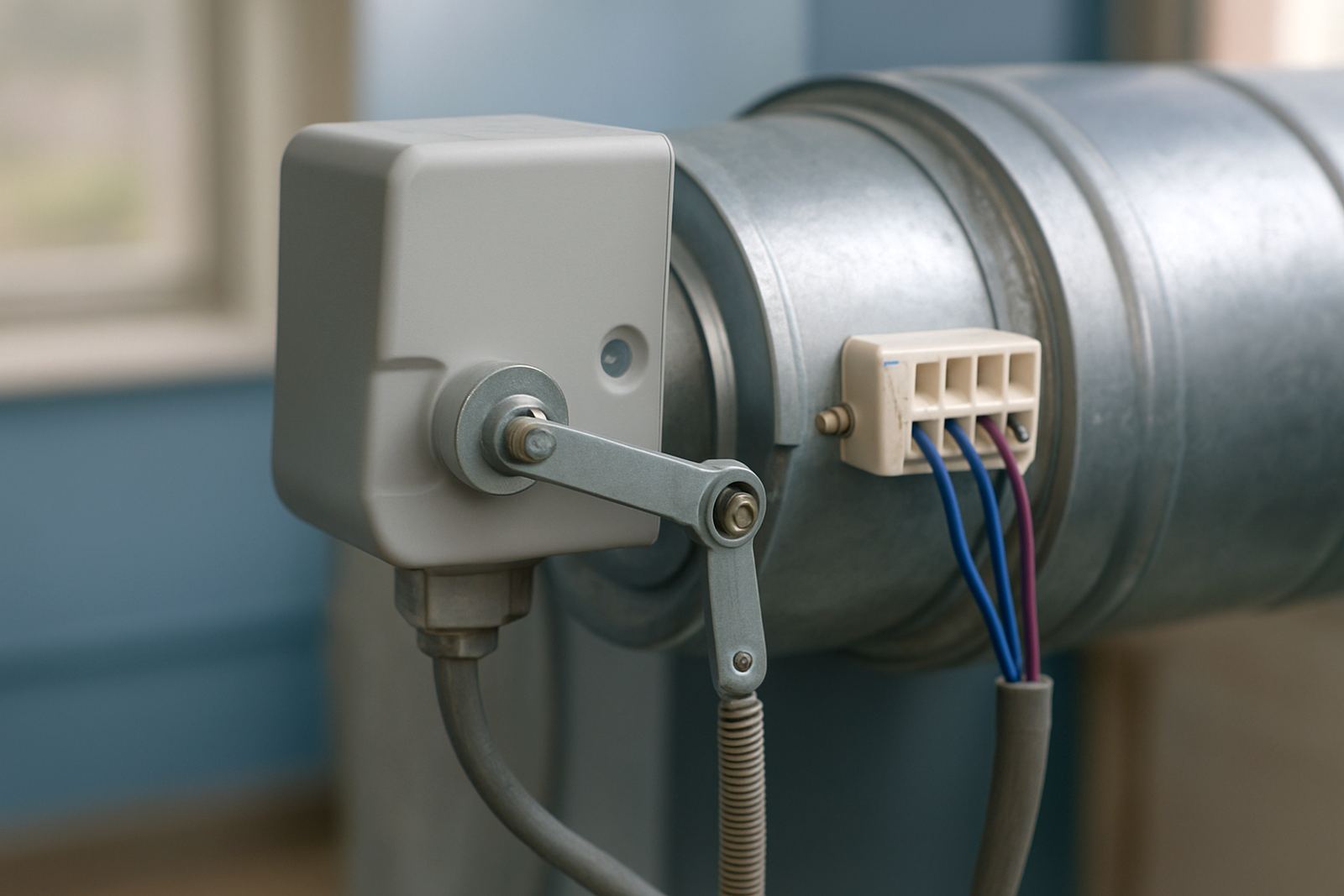
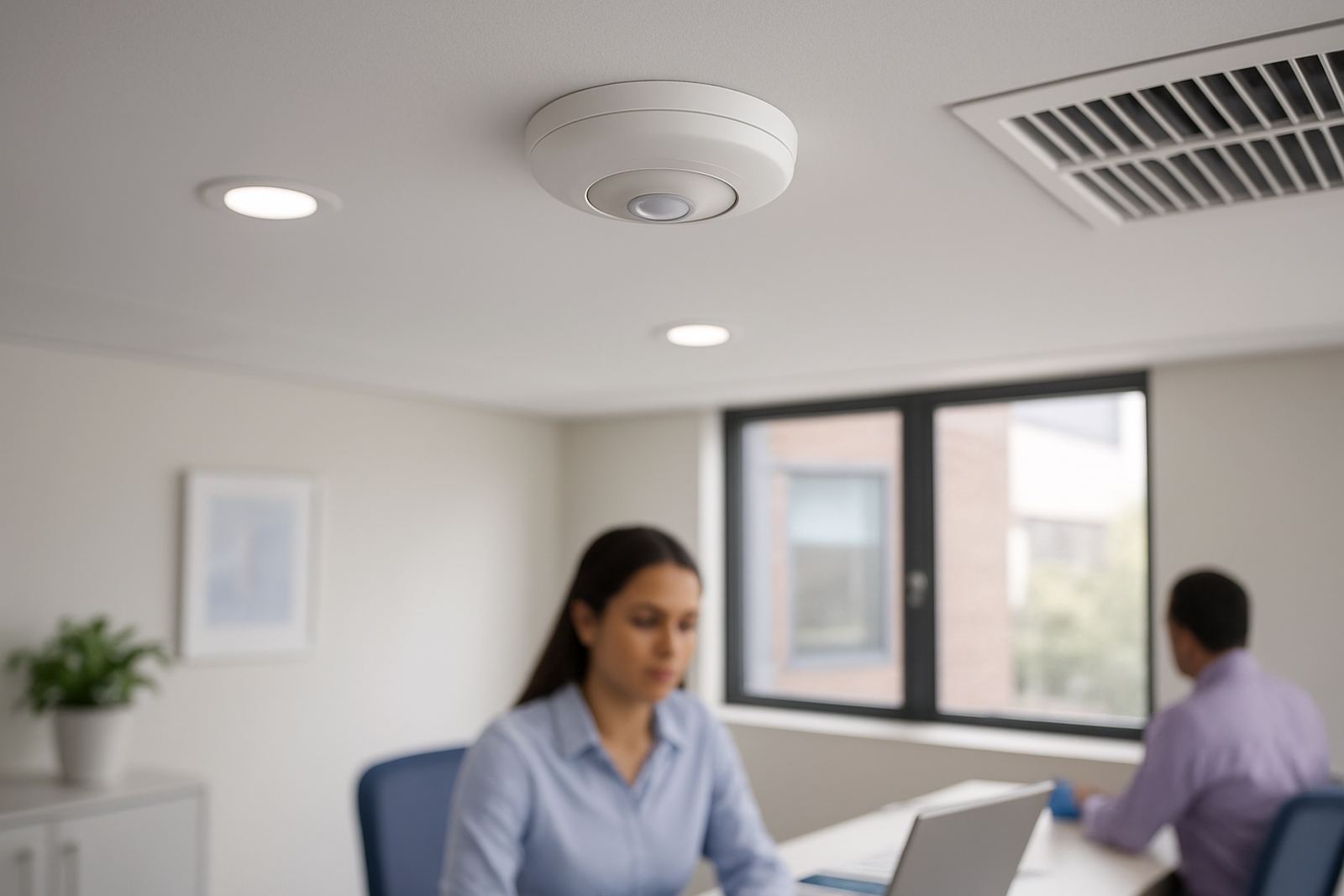
Occupancy Sensor Control is fitted into a ducted, zoned air-conditioning setup and tells the controller when a room is being used. If a bedroom, meeting room, private office or guest suite is empty, the damper can close or the setpoint can relax, so the system does not keep pushing cooled or heated air into a space that no one is using.
The sensor can work with motion detection, timing logic, or a combination of both depending on the room and the way it is used. In a home, that means the main bedroom does not have to run the same as the living area after bedtime. In an office it helps stop empty boardrooms from being conditioned all morning, especially when schedules change and people come and go through the day.
For properties in Johannesburg and Pretoria, this kind of control is useful during load-shedding recovery too. When power returns the system can come back under proper control, rather than trying to cool every zone at once and overworking the equipment.
Sizes and control options we install
Occupancy control is normally supplied as part of a larger zoning package, matched to the number of rooms and the type of controller already in place. The exact sensor choice depends on the room size, ceiling height, finish and whether the area needs simple presence detection or tighter scheduling.
Typical options include:
- Single-room sensors for bedrooms, studies, small offices and private consulting rooms
- Multi-zone logic tied to a central thermostat or room controller
- Wall-mounted or ceiling-mounted occupancy sensors, depending on the building layout
- Timed vacancy override for boardrooms, staff areas and short-use spaces
- Integration with temperature sensors where occupancy and comfort need to work together
For larger homes in Sandton or Pretoria East, it is common to link occupancy to 3, 4 or more zones so the system can treat each area properly. In a smaller townhouse or office suite, one or two sensors may be enough.
Where occupancy control suits best
This control works best where room use is uneven. That is common in homes with guest rooms, home offices and entertainment areas, as well as commercial properties with meeting rooms, reception spaces and private offices. It is also a good fit for clinics, professional rooms and sectional title units where occupants are careful about running costs.
It is especially useful in buildings where certain rooms face strong sun through the afternoon, but are only occupied at selected times. Instead of cooling the whole property the system can focus on the rooms in use and ease off elsewhere. That brings better comfort and less wasted runtime.
- Homes with bedrooms or studies that stay empty during the day
- Offices with bookable meeting rooms and staff areas
- Guest houses and short-stay accommodation
- Medical and consulting rooms with irregular appointments
- Upmarket homes where comfort is needed, but only in occupied spaces
Installation, power needs and system compatibility
Occupancy Sensor Control needs a properly designed ducted zoning system, with dampers, controls and airflow balanced for the property. It is usually powered from the control side of the HVAC system, not as a stand-alone appliance, so the installer must check the controller make-up and the available low-voltage supply before fitting the sensors.
We check the cable routes, sensor position and controller logic before installation. That matters because a sensor placed too close to a passage or direct sunlight can give false triggers, and a sensor placed where it misses movement will not save energy. In Pretoria East, for example, homes with long passages and closed doors often need a different setup than open-plan offices in Randburg.
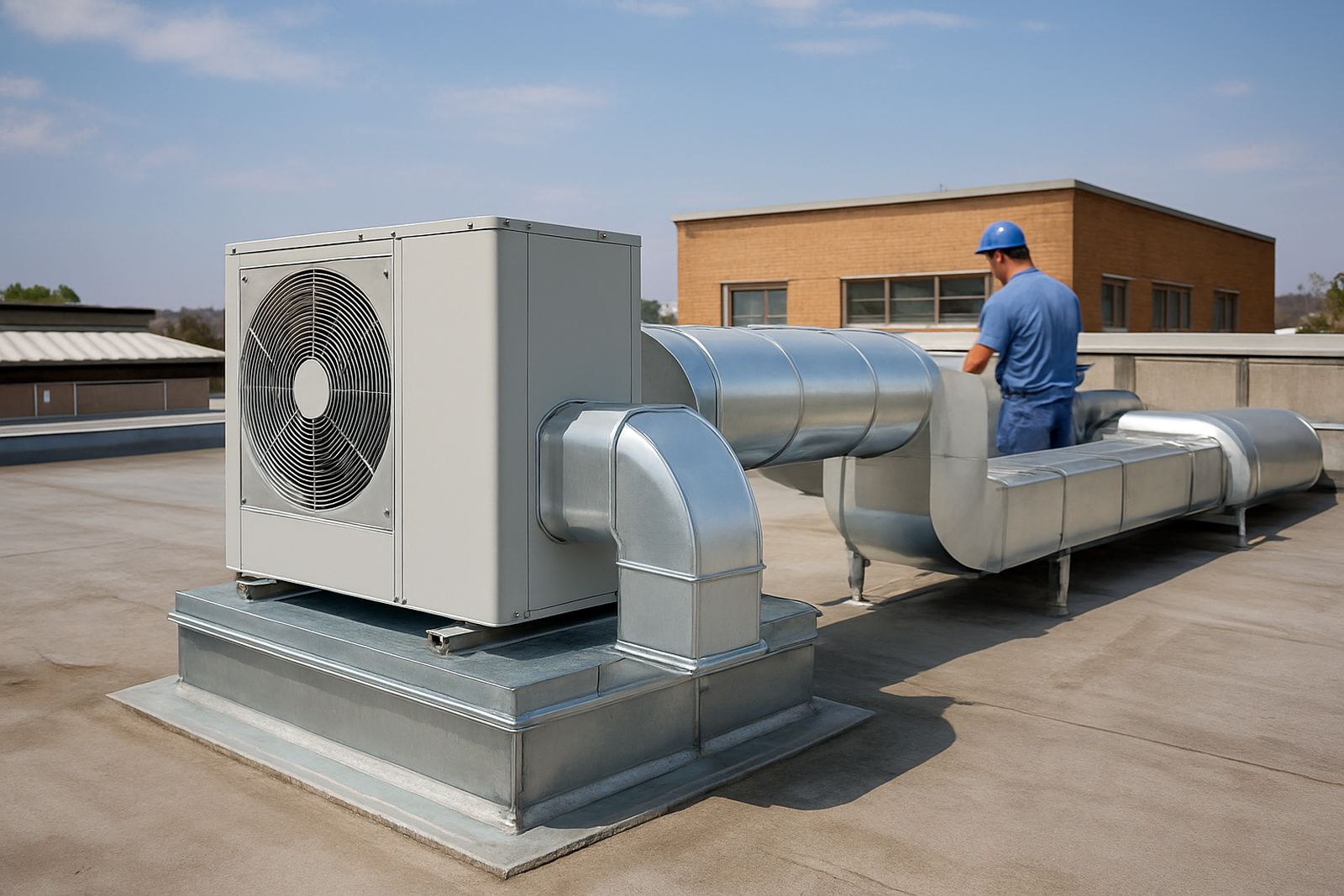
There is no gas or refrigerant requirement for the sensor itself. It works as part of the control system, while the air-conditioning equipment continues to use the correct refrigerant and ducted layout already in place. If the system is being retrofitted, we also check the unit capacity and airflow so the new control logic does not cause short cycling or weak room supply.
Care, servicing and what keeps it accurate
Occupancy sensors do not need heavy maintenance, but they do need a clean, sensible installation and periodic testing. Dust build-up, loose fittings or poor placement can affect detection, especially in offices with regular cleaning or in coastal-adjacent areas where humidity can creep into fittings over time. Johannesburg conditions are usually dry, but there is still dust and fine debris from normal use.
During seasonal servicing we check:
- Sensor operation and detection range
- Delay settings and vacancy timers
- Damper response when rooms are empty
- Thermostat settings and zone scheduling
- Airflow balance after control changes
If a room is being left colder than expected or the system is switching too often, the cause is often not the sensor itself. It may be a setting, a wiring issue or a room layout change after the original install. A quick check usually sorts it out before it becomes a comfort complaint.
What to check before ordering a sensor package
Before we quote, it helps to know exactly how the rooms are used. A family home with a closed study and two guest rooms needs a different control plan to a ten-person office with rotating meeting spaces. The more detail we have up front, the cleaner the install and the better the control response.
Please check these points before ordering:
- How many rooms or zones need occupancy control
- Whether the system is new build or a retrofit
- Where the current thermostat and controller are located
- Whether the building has ducted zoning already installed
- Any time schedules, after-hours use or holiday settings
- Power interruptions, load-shedding recovery or generator changeover on site
If you are in Johannesburg, Sandton, Randburg, Pretoria, Centurion or Pretoria East, we can assess the rooms on site and confirm the right sensor positions, control logic and airflow settings before installation. That saves rework and keeps the zoning practical for everyday use.
Key facts
| Control type | Occupancy-linked zone control for ducted air-conditioning |
|---|---|
| Typical application | Homes, offices, consulting rooms and guest areas |
| Zone compatibility | Single zone through multi-zone control systems |
| Power requirement | Low-voltage control supply from the HVAC control panel |
| Installation method | Ceiling or wall sensor integration with dampers and thermostat |
| Service interval | Check at seasonal servicing and after layout changes |