What a condensate pump kit does
A ducted air-conditioning system removes moisture from the air as it cools, and that water must go somewhere. When the indoor unit cannot drain by gravity into a waste line or outside fall, a condensate pump kit lifts the water to a suitable discharge point. That can be into a nearby drain, a waste pipe, or another approved outlet, as long as the route is safe and easy to maintain.
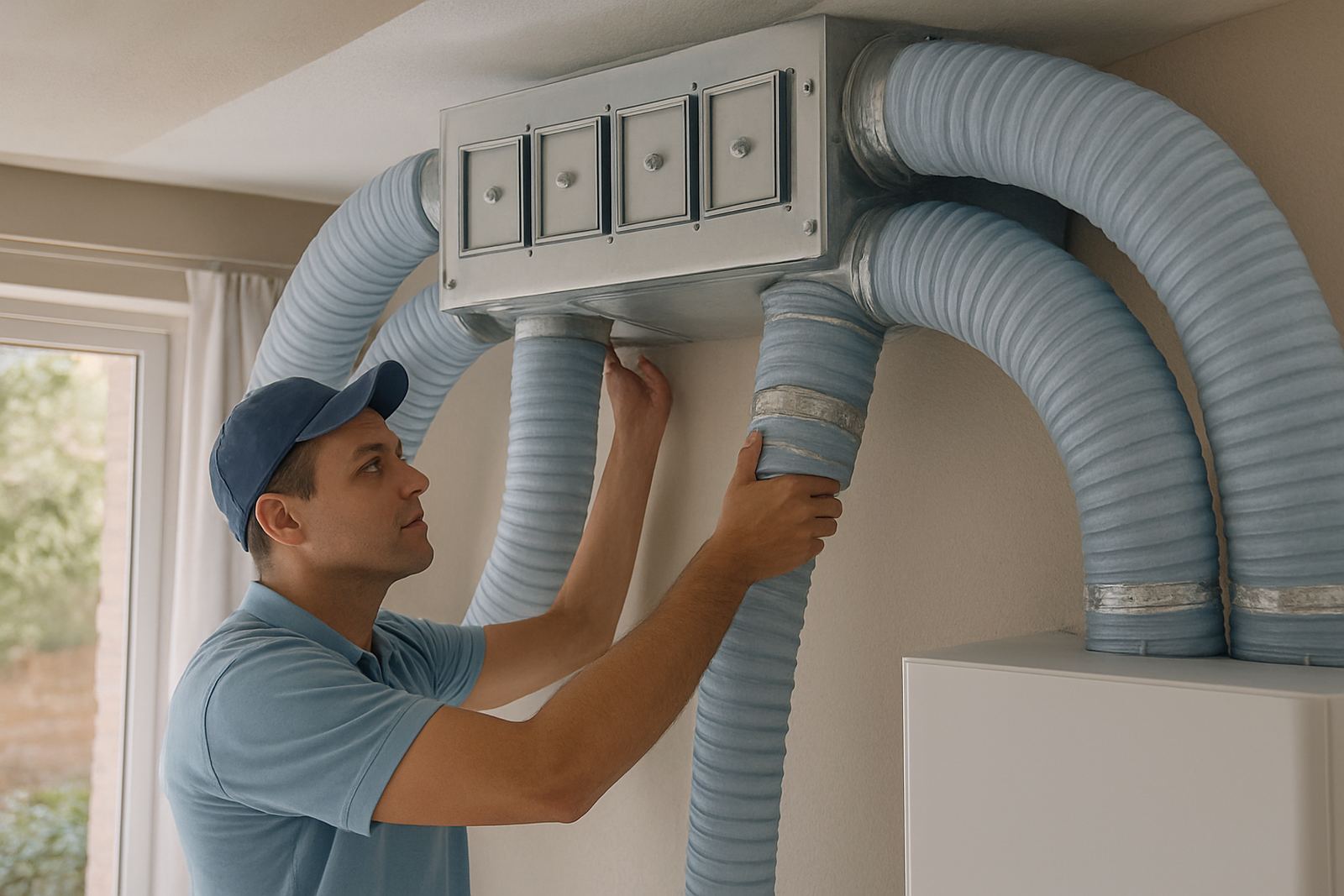
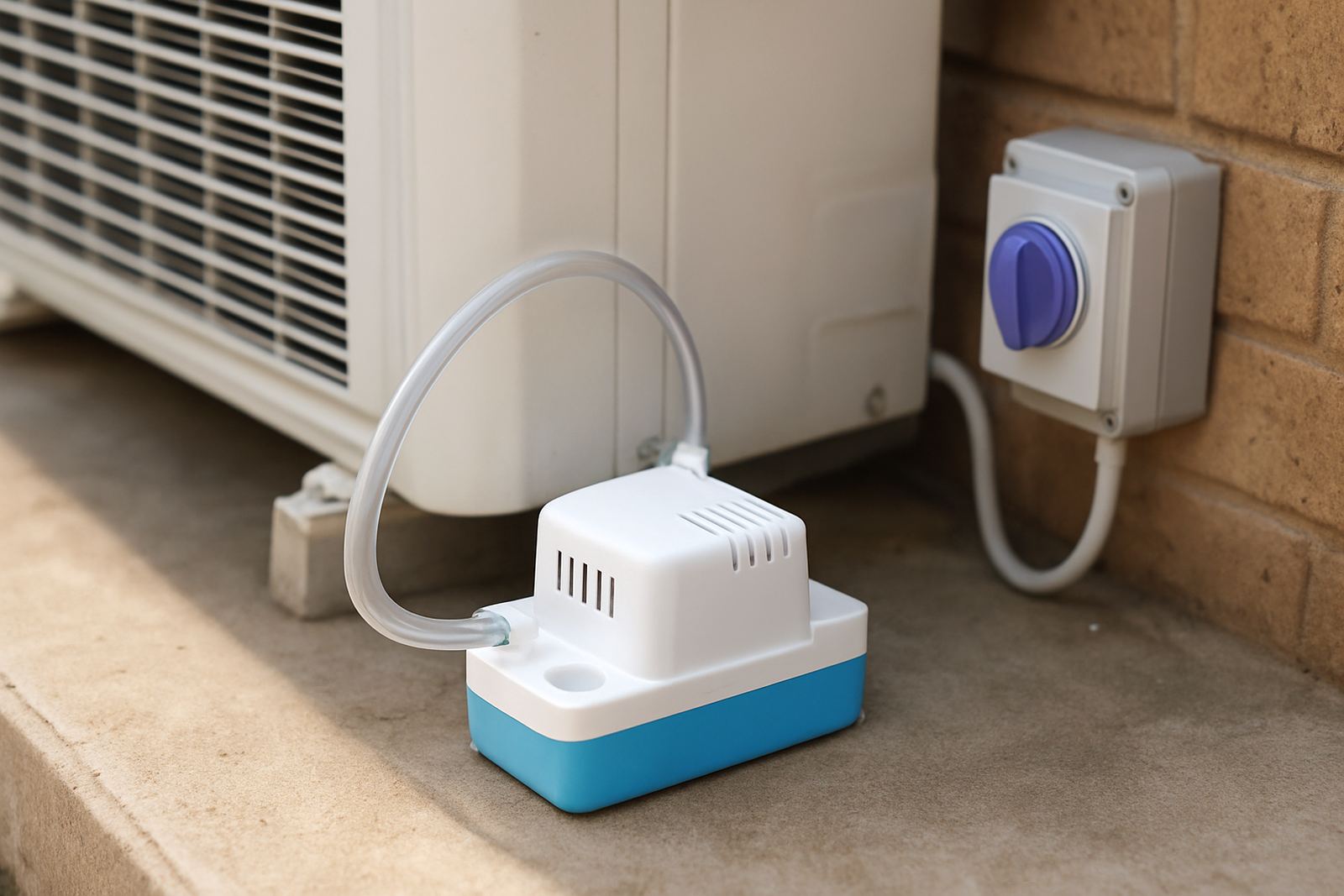
The kit normally includes a compact pump, float or level control, discharge tubing, fittings and wiring points for the air-con service technician. It is used with split ducted systems, concealed ceiling units and some retrofit jobs where the original drainage route is too shallow or too long. In practice, it lets the installer place the unit where the building layout demands, not only where the drain line happens to fall.
- Designed for condensate only, not dirty waste water
- Helps when the drain point is higher than the indoor unit
- Useful in ceiling voids, bulkheads and tight plant spaces
Sizes, pump lift and control options
Condensate pump kits come in a few practical formats, based on lift height, tank size and how quickly the system produces water. Small kits suit one indoor unit in a home office or apartment, while higher-capacity sets are better for larger ducted systems with more airflow and more condensation. The key figure is the pump lift, which is how high the unit can push water from the collection point to the drain connection.
For most residential and light commercial installs, you will see compact pumps with a lift rating in the 2 m to 6 m range. Some applications need longer horizontal runs as well, so the pipe size and routing matter just as much as the lift. A good installer checks the full route, not only the vertical rise, because a long, sagging discharge line can cause noise or backflow.
- Common lift ratings: 2 m, 4 m, 6 m and higher depending on model
- Typical discharge tubing: 8 mm to 13 mm internal diameter
- Tank or reservoir style helps on systems with bursty drainage
Where this kit suits best
This product suits homes and offices where the indoor unit sits below the nearest drain point, or where the unit is centralised inside a ceiling and there is no reliable fall to the outside. It is often used in Sandton apartments, Randburg office suites, Pretoria East homes and Centurion townhouse upgrades where structural changes are limited and you do not want to cut new drainage paths through finished ceilings and walls.
It also helps in coastal or humid indoor conditions, where condensate volumes are higher for longer periods. In offices with after-hours cooling, the pump supports steady drainage when the unit runs for many hours at a time. If the building has strict body corporate rules or a limited access ceiling, a pump can reduce the need for disruptive pipe rerouting. That said, the route still has to be serviceable, because even a small blockage can stop the system and cause overflow.
- Good for retrofit ducted systems in finished buildings
- Useful where gravity fall is not available or is too shallow
- Suitable for homes, clinics, studios and light commercial offices
Installation, power and system compatibility
Installation should be done with the air-conditioning service work, not as a separate afterthought. The pump needs to sit level, the float switch needs to sense water correctly and the discharge line must be secured so it cannot kink behind a ceiling panel. The installer should also test the pump under real operating conditions, because a short wet test is not enough when the system starts producing water over a full cooling cycle.
Most condensate pumps run on standard mains power and are linked into the indoor unit control or a dedicated supply, depending on the equipment layout. They do not need gas. The gas side of the air-conditioning system remains sealed and charged by a qualified technician, while the pump only handles the water created during cooling. If the unit has smart thermostats, zoning controls or BMS inputs, the pump selection should allow for safe fault signalling if water rises too high.
- Power supply commonly 230 V, subject to the model used
- Needs proper float switch wiring and overflow protection
- Should be paired with accessible isolators and clear access panels
Care, cleaning and seasonal servicing
Like any drainage component, a condensate pump needs periodic attention. Dust, algae and fine sludge can collect in the reservoir, especially where the unit sits in a warm ceiling void. In Johannesburg the issue is often dust and building debris from other trades, while in Pretoria and more humid spaces you may see more biofilm inside the discharge line. A blocked pump can trigger overflow, drip stains or shut the air-conditioning down.
Seasonal servicing should include a pump test, float check, line flush and inspection of the discharge route. If the building has had load-shedding or repeated power cuts, it is worth checking whether the pump restarts properly and whether the drain line remains intact after vibration or thermal movement. Keep the area around the pump clear and make sure the service technician can reach it without removing half the ceiling.
- Clean the reservoir and float at least once a year
- Flush the discharge line during scheduled air-con servicing
- Check for vibration, trapped air and loose pipe clips
What to check when ordering
Before ordering a condensate pump kit, confirm the indoor unit type, expected condensate volume and the actual drain route on site. Measure the vertical lift from the pump to the discharge point, then add the horizontal distance and any bends. Many problems start when someone only measures the height and forgets the long run across a ceiling void or bulkhead.
You should also check access for maintenance, available power, ceiling height and whether the drain terminates in a compliant point. If the installation is in a commercial building, confirm any municipal or body corporate requirements for discharge and access. A good order is not just the pump itself, but the full set of fittings needed to finish the job without extra trips. If in doubt, send the unit model and site photos before the order is finalised, this saves time and avoids wrong parts.
- Indoor unit model and cooling capacity
- Required lift height and total discharge run
- Available power point and access for servicing
Key facts
| Product type | Condensate pump kit for ducted air-conditioning |
|---|---|
| Use | Lifts condensate when gravity drainage is limited |
| Typical lift range | 2 m to 6 m on compact systems, higher on selected models |
| Power | Usually 230 V AC, model dependent |
| Discharge line size | Typically 8 mm to 13 mm internal diameter |
| Best suited to | Homes and offices with concealed ducted units, retrofit jobs and tight ceiling spaces |