What acoustic duct liner does inside a ducted system
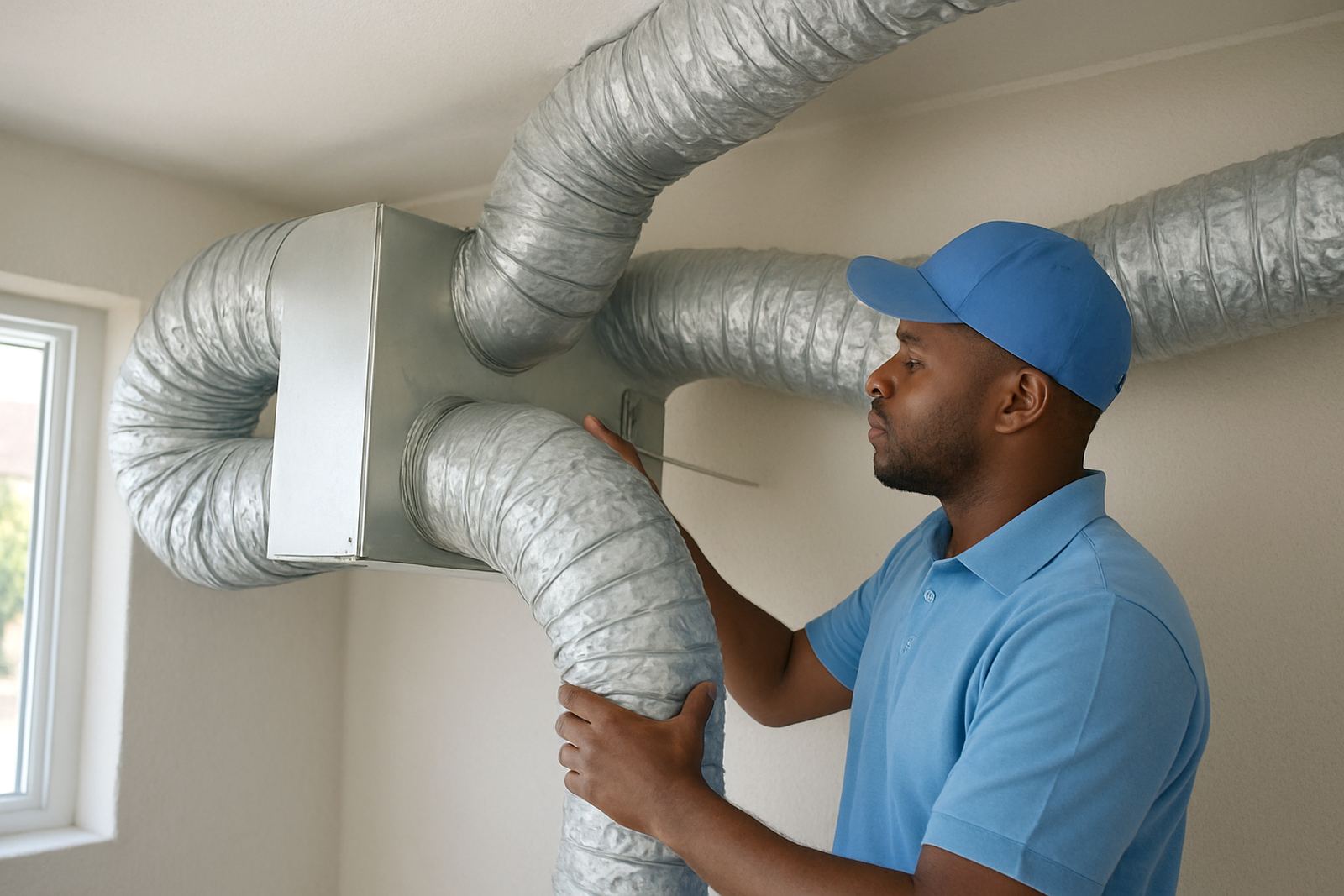
Acoustic duct liner is an internal lining fitted to the inside of selected duct sections to absorb sound and reduce the transfer of fan noise through the duct network. In a zoned system, it is often used where a supply or return run passes through ceiling voids, near bedrooms, or close to work areas that need lower background noise. It does not change the basic job of the air-conditioning system, but it does help manage the sound people hear at the room grilles and along the duct run.
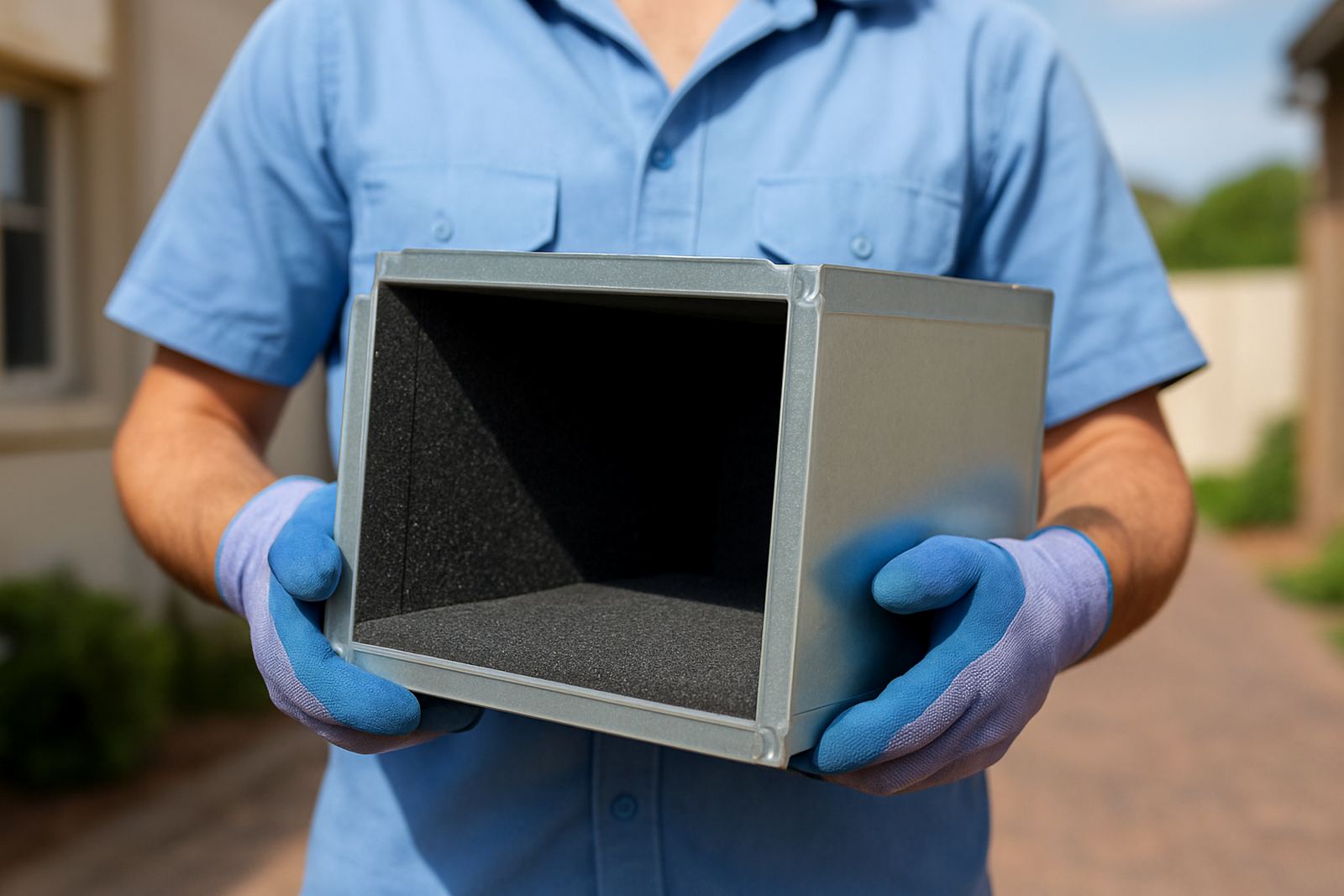
The lining is usually made from a fibrous acoustic blanket or similar insulating material faced with a protective surface. It is chosen for its sound absorption, durability, and suitability inside air-conditioning ducts. In practical terms, this means you get quieter air movement without adding bulky external treatment to the building. On the right job it can make a noticeable difference, espcially where the unit is close to occupied rooms.
Typical sizes, thicknesses and lining options
The lining is normally supplied in sheet or board format and cut to suit the duct size on site. Common thicknesses are 25 mm, 50 mm and 75 mm, with the thicker options giving better sound absorption where space allows. For tighter ceiling spaces in Sandton apartments or Pretoria offices, a slimmer lining may be the only practical choice. For larger duct trunks in homes with long passages, a thicker section is often better if the design permits it.
Options depend on the duct material and the noise target. A standard lining is used where the main need is comfort, while a higher density option may be selected for stronger noise control near air-handling equipment. The outside duct size, the lining thickness, and the required airflow all need to be checked together, because lining reduces the internal duct opening. That reduction must be allowed for in the airflow design.
- Thickness: 25 mm, 50 mm, 75 mm
- Format: sheet or board, cut to size on site
- Facing: air-stream suitable protective facer
- Use: straight duct sections, plenums and selected return paths
- Custom cutting: for elbows, transitions and boxed runs
Where it suits best in Johannesburg and Pretoria buildings
Acoustic lining suits bedrooms, studies, meeting rooms, medical suites, reception areas and open-plan offices where low noise is important. It is also useful in homes with bedrooms close to the indoor unit or where ducts run over a ceiling that carries sound easily. In Pretoria East or Centurion, where larger family homes often have long duct routes, the liner can help reduce the whoosh that sometimes comes through at higher fan speeds.
It is also practical in retrofit work. If the unit was installed first and the room noise is a complaint later, lining can be added where there is access during a system upgrade or duct modification. It is not a cure for poor duct sizing, but it does help when the system is already properly designed and the brief is to cut down noise without redoing the whole installation. For coastal humidity around Pretoria is not coastal, sorry, around Johannesburg the material still needs correct sealing and clean installation to avoid dust build-up and damage over time.
- Bedrooms and nursery areas
- Boardrooms and staff meeting rooms
- Reception counters and customer areas
- Consulting rooms and small medical spaces
- Homes with long duct runs or high static pressure
Installation needs, power and gas considerations
Acoustic duct liner is fitted during the duct fabrication or on-site duct modification stage. The duct surface should be clean, dry and correctly prepared before installation so the liner bonds and sits flat. Joints must be sealed properly and any exposed fibrous edges should be protected according to the duct specification. Poorly fitted lining can loosen, shed material or restrict airflow, so the installation must be handled by someone who understands HVAC duct work, not just general building fit-out.
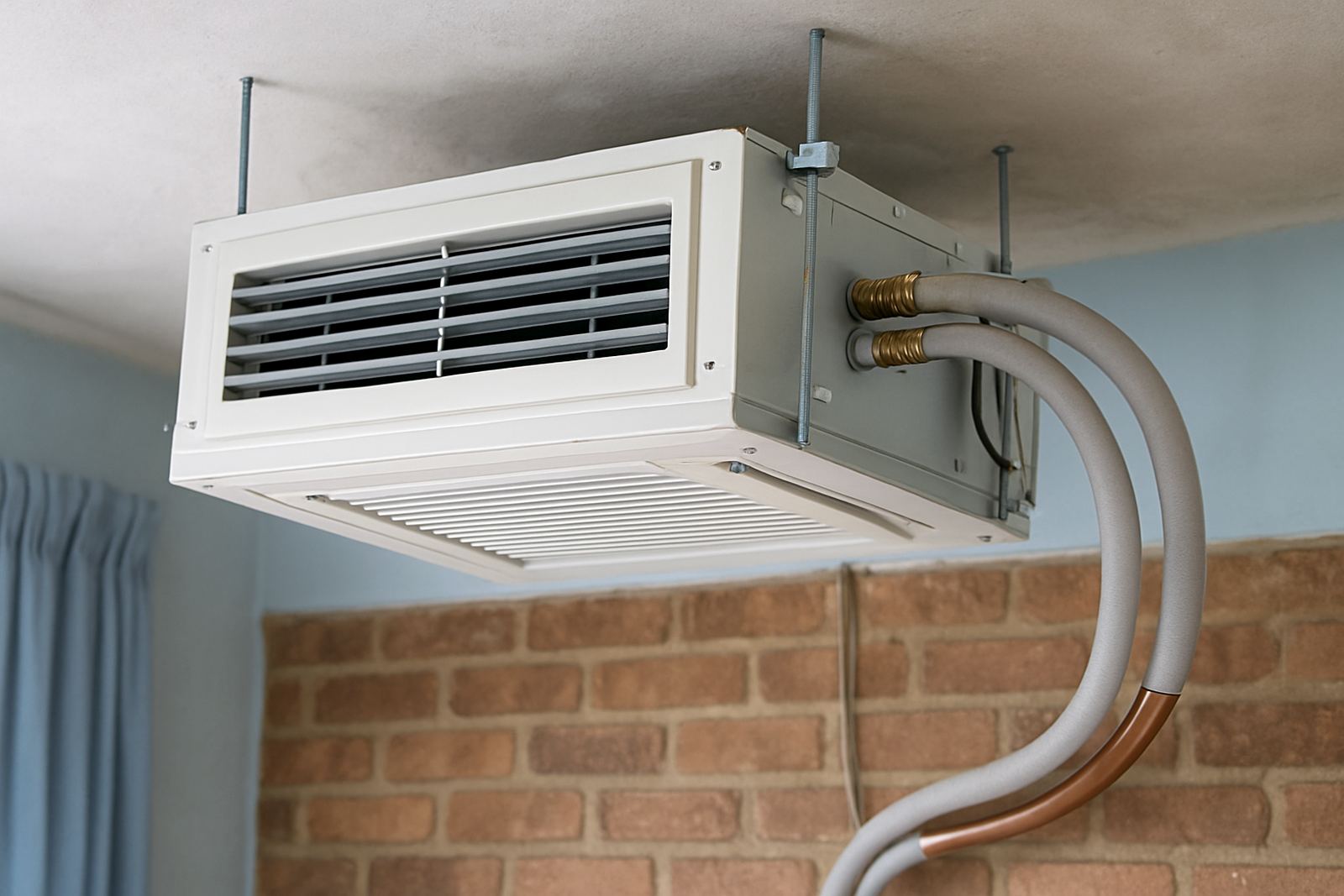
The liner itself does not need power and does not use gas. Its effect is passive, working through sound absorption rather than mechanical parts. That said, the zoning controls, thermostats, dampers and air-side equipment around it still need correct commissioning. If the system is overpowered, or the duct pressure is too high, the liner alone will not solve the noise. A good design balances airflow, fan speed, duct size and room control from the start.
Care, cleaning and seasonal servicing
Acoustic liner is not usually a user-service item, but it should be checked during seasonal servicing and when filters are replaced. The main things to look for are dust build-up, loose edges, moisture staining and damage from tools or pests. If there has been a roof leak or a damp ceiling void, the liner should be inspected promptly because persistent moisture can shorten service life and affect indoor air quality.
During scheduled servicing, the technician should also check for blocked grilles, dirty filters and fan issues because these often cause the noise people blame on the lining. In many cases the complaint is airflow noise from a set of dampers not balancing properly. If that is corrected, the duct liner can do its job properly. A clean system also lasts longer and smells better, which matters in offices and homes alike.
- Check after roof leaks or ceiling moisture
- Inspect for loose joints at service intervals
- Keep filters clean so airflow stays steady
- Review damper settings if rooms become noisy
What to check before ordering acoustic duct liner
Before ordering, confirm the duct size, the available space, the noise target, and the sections where lining will have the most effect. Not every duct needs lining and in some runs it is better used only on the first few metres after the unit or on the return side. The right answer depends on the system design and the room use. A kitchen ceiling, for example, may have different needs to a private office or a bedroom wing.
It also helps to confirm whether the job is a new build or a retrofit. New build projects give more freedom with size and thickness, while retrofit work often needs a slimmer option and more careful cutting. If the duct will pass through a humid service area, make sure the lining specification and fastening method suit the environment. When you send through drawings, include the duct dimensions, ceiling void depth, room names and any noise concerns. That saves time and avoids ordering the wrong thickness or quantity.
- Confirm duct width, depth and available void space
- State whether the job is new build or retrofit
- List the rooms where noise is the biggest concern
- Provide drawings, photos and any existing unit data
- Allow for reduced internal duct size after lining
Specs and ordering details
Acoustic duct liner is supplied for use inside zoned ducted air-conditioning systems in homes and offices across Johannesburg, Sandton, Randburg, Pretoria, Centurion and Pretoria East. Our team can advise on liner thickness, where it should be fitted, and how it affects airflow and balancing. If you are unsure, send the room layout and we will check the duct sections that are worth lining and the ones that should stay clear for airflow.
Ordering is best done with the full system information, not just the duct size. That includes the air volume, the fan type, the damper layout and whether the unit serves one area or several zones. With that information, the right liner can be matched to the job and the installation can be planned without delays. This is especially useful on office fit-outs where time on site is limited and the ceiling must be closed up quickly.
Key facts
| Product type | Internal acoustic lining for ducted HVAC systems |
|---|---|
| Common thicknesses | 25 mm, 50 mm, 75 mm |
| Supply format | Sheets or boards cut to size |
| Main function | Reduces noise transfer through ductwork |
| Best use areas | Bedrooms, offices, meeting rooms, return ducts, duct trunks |
| Installation note | Must be allowed for in duct sizing and airflow balancing |