What a return air grille does in a ducted system
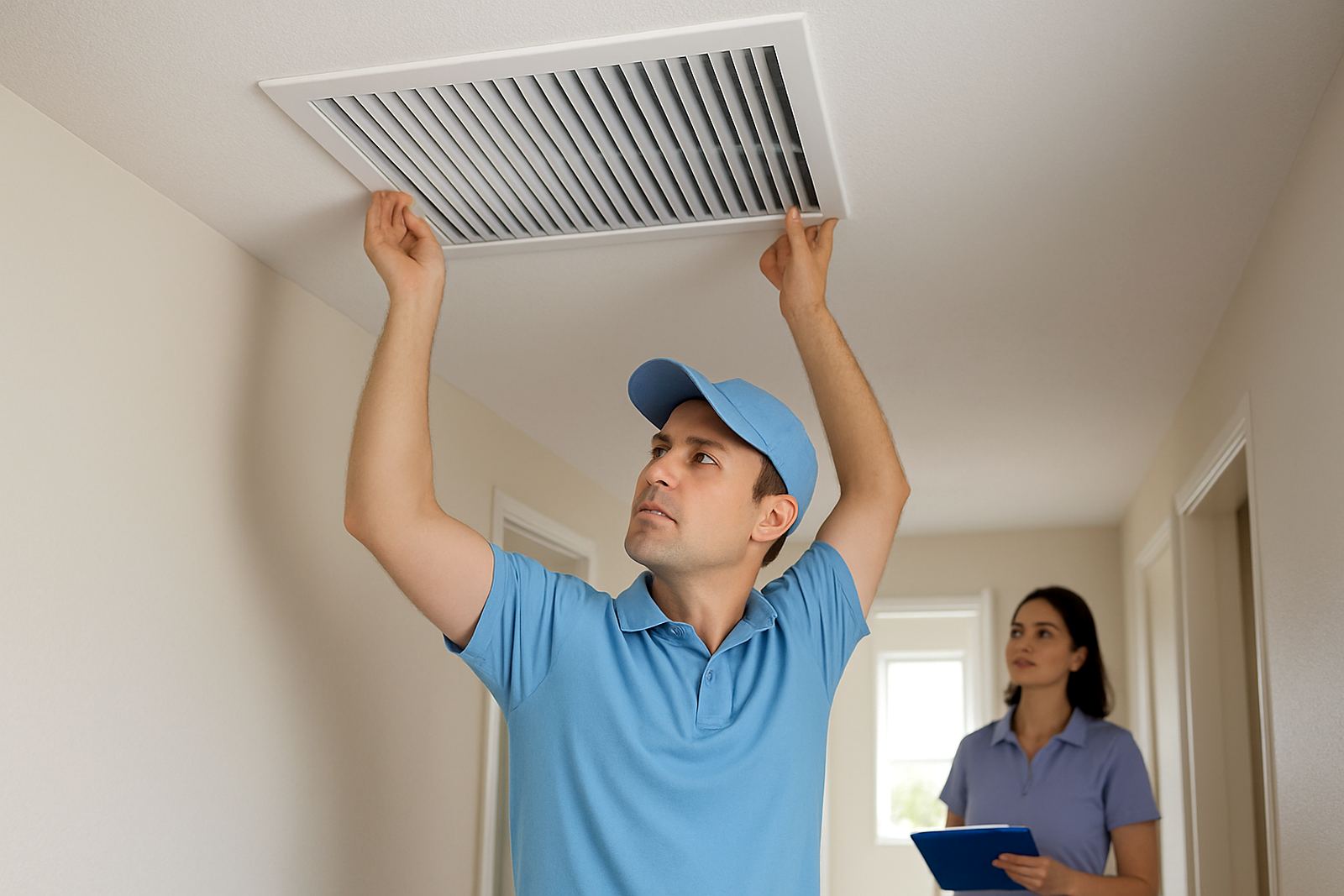
The return air grille is the opening that draws used air back into the ducted system so it can be filtered, cooled or heated again. In a zoned installation it plays an important role because each room and each zone depends on stable return airflow to keep static pressure under control. If the grille is too small, the unit can become noisy, short cycle, or struggle to move enough air through the ducts.
In practical terms, a properly sized grille supports the whole system. It helps the thermostats read the room more accurately, reduces whistling through the ductwork, and gives the installation a cleaner finish in a passage, ceiling bulkhead, or central hallway. For homes in Sandton or Pretoria East, and for offices in Randburg or Centurion, that matters when different spaces are used at different times of the day.
- Keeps air movement steady back to the indoor unit
- Helps reduce fan noise and grille whistle
- Supports correct zoning and balancing
- Improves overall comfort in occupied rooms
Common sizes, finishes and grille options
Return air grilles are usually chosen to suit the airflow required by the indoor unit and the available wall or ceiling opening. Common rectangular sizes are 300 x 300 mm, 400 x 300 mm, 450 x 300 mm, 600 x 300 mm and 600 x 600 mm, with custom sizes available for larger homes, boardrooms, and commercial fitouts. The actual free area matters more than the outside frame size, so the grille needs to be selected with the air volume in mind.
Most return grilles are supplied in powder-coated steel or aluminium, with a white finish being the usual choice for neat ceiling work. For coastal humidity, aluminium can be the better option where corrosion resistance is important. Some installations use a fixed blade pattern while others use a removable face for easier cleaning. Where a filter is built into the grille, the unit can help catch dust before it reaches the indoor coil, which is useful in homes close to busy roads or construction areas.
- Standard and custom sizes to suit the air volume required
- Powder-coated steel or aluminium construction
- Fixed blade, perforated face, or filter grille options
- White finish is common for neat ceiling integration
Where a return air grille suits best
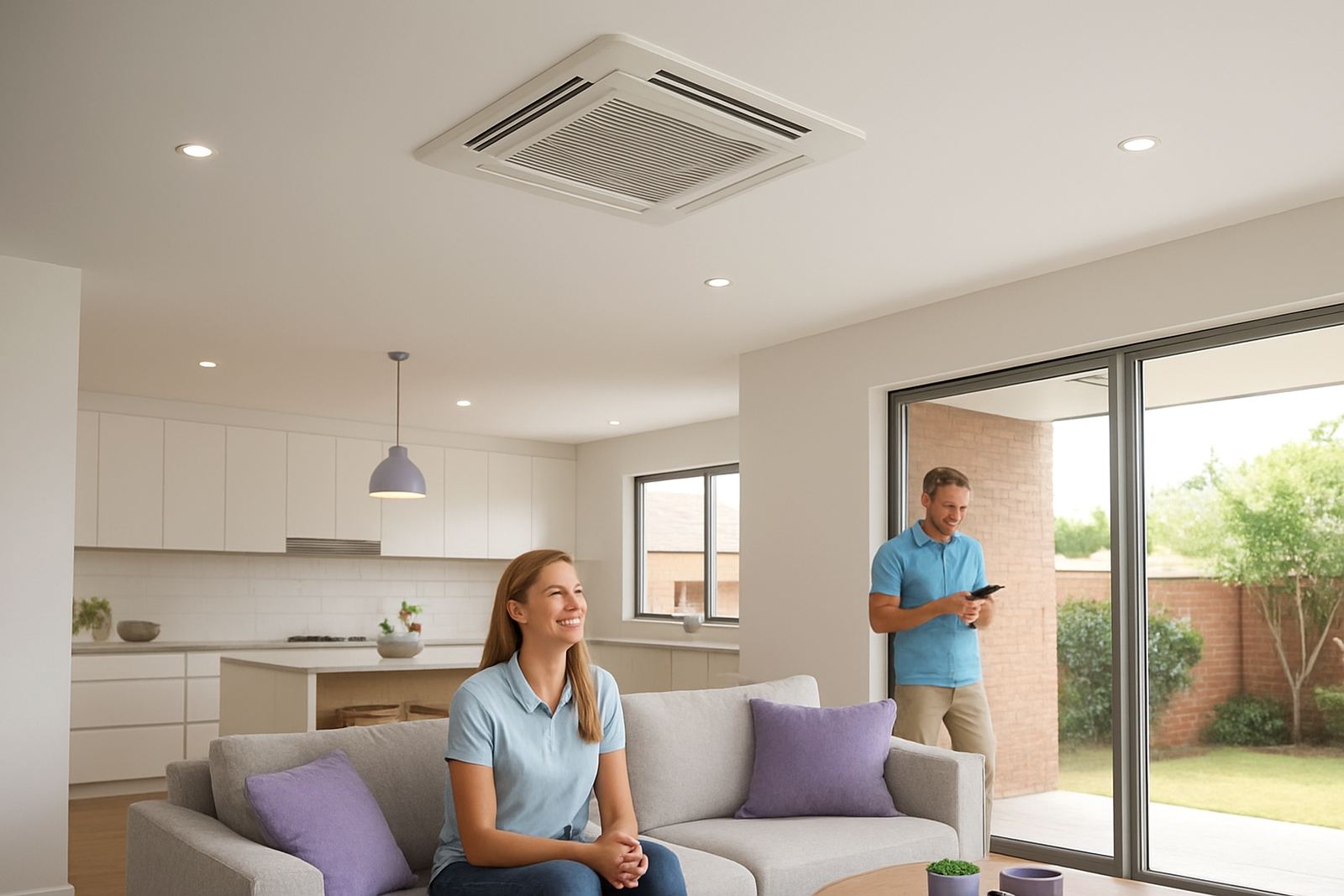
A return air grille suits any ducted air-conditioning installation where air needs to be brought back through a central point. In homes, it is often positioned in a passage, entrance lobby, or central living area so the system can draw air from the whole house. In offices, it may be placed in a corridor or open-plan section to support even circulation between enclosed rooms and shared spaces.
The position is important. A grille should not be fitted too close to supply outlets, as that can cause short-circuiting of air and reduce the benefit of zoning. It also needs to be placed where furniture, curtains, or cupboards will not block it later. In Johannesburg homes with ceilings already packed with lighting and services, or in Pretoria office ceilings where access is tight, this planning step saves trouble later on.
- Central passages and living areas in residential properties
- Hallways, reception spaces, and open-plan offices
- Retrofit projects where ducted air-conditioning is being upgraded
- New builds where the ceiling layout allows for a clean return path
Installation details, access and power requirements
A return air grille itself does not need power or gas, but it must be installed as part of a correctly designed ducted system. The grille should match the return plenum, duct size, and filter arrangement if one is included. It also needs enough access for service work, because the filter, coil, and fan section all rely on clean return air. If the opening is undersized, the system may sound like it is pulling too hard, especially during load-shedding recovery when the unit restarts and comes up to speed again.
Installation should allow for a straight, well sealed return path with no gaps around the frame. That helps stop ceiling dust being drawn into the system and keeps the airflow measured during commissioning. In some properties, the grille needs a safety fixed section or a removable core depending on the ceiling height and the maintenance plan. A tidy installation also makes future servicing easier when the system is checked before summer or before the colder months set in.
- No direct electrical supply required at the grille
- Must be matched to the duct size and return plenum
- Should allow access to filters and service points
- Good sealing helps reduce dust ingress and noise
Care, cleaning and ongoing servicing
A return air grille needs regular cleaning because dust and lint build up on the face and, if there is a filter behind it, on the filter media as well. In a Pretoria office near main roads, or a Johannesburg home with pets, that can happen quicker than expected. A blocked return grille forces the fan to work harder and can affect room temperatures across the zoning system.
Wipe the face with a damp cloth and vacuum the openings when the system is off. If the grille includes a removable filter, it should be checked every few months and cleaned or replaced as needed. During seasonal servicing, the return path should be inspected for loose insulation, dust build-up, and any signs of condensation. On coastal properties, corrosion and salt air should also be looked at, even though Johannesburg and Pretoria sites are usually more affected by dust than by humidity.
- Clean the grille face regularly to maintain airflow
- Check removable filters on a scheduled basis
- Inspect for dust, loose material, and corrosion during service
- Keep furniture and ceiling finishes clear of the opening
What to check before you order a return air grille
Before ordering, measure the opening carefully and confirm the required free area with the HVAC designer or installer. The grille should suit the airflow of the indoor unit, the number of zones, and the room layout. It is also worth checking whether the opening will be in a visible area, because the finish and blade pattern should match the rest of the ceiling detail. A grille that looks right but is too small can create noise and uneven comfort, so sizing matters more than many people think.
Have the following details ready when you ask for a quotation or confirm a replacement part. That makes it easier to match the grille to the installation and avoids delays on site.
- Opening size in millimetres, including width and height
- Whether the grille is for wall or ceiling use
- Required finish, such as white or custom colour
- Whether a built-in filter is needed
- Indoor unit capacity and the number of zones served
- Any access limits, bulkheads, beams, or lighting nearby
If you are upgrading an older ducted system in Sandton, Randburg, Pretoria, or Centurion, a replacement return grille is often a simple way to improve airflow without changing the full installation. The key is to make sure the new grille suits the ducting and not just the old opening. A small sizing error can cause a lot of extra noise, and that is something best avoided.
Key facts
| Product type | Return air grille for ducted air-conditioning |
|---|---|
| Typical sizes | 300 x 300 mm to 600 x 600 mm, with custom sizes available |
| Materials | Powder-coated steel or aluminium |
| Finish | White as standard, custom finish on request |
| Use | Residential homes, offices, retrofit and new build ducted systems |
| Maintenance | Clean face regularly and check any filter during seasonal servicing |