What the CO2 room sensor does in a busy office
This sensor measures carbon dioxide levels in occupied spaces and sends the reading to a controller or building system so ventilation can respond to the actual room load. In plain terms, when people breathe in a closed room the CO2 level rises, and that is often the first sign that the space needs more fresh air, not more cooling.
It is a good fit for meeting rooms, training rooms, open plan sections with dense seating, and private offices that are used all day. In Johannesburg and Pretoria we see it specified often where the air-conditioning is sized for temperature only but the room still feels stuffy by 10am. A CO2 sensor helps the system react before staff start opening windows or asking for more cooling which often makes the room colder but not better.
- Tracks indoor air quality by measuring carbon dioxide in the room air
- Supports demand controlled ventilation in occupied zones
- Helps reduce wasted fan and outside air use in low occupancy periods
- Useful for boardrooms, call centres and cellular office spaces
Sizes, styles and control options
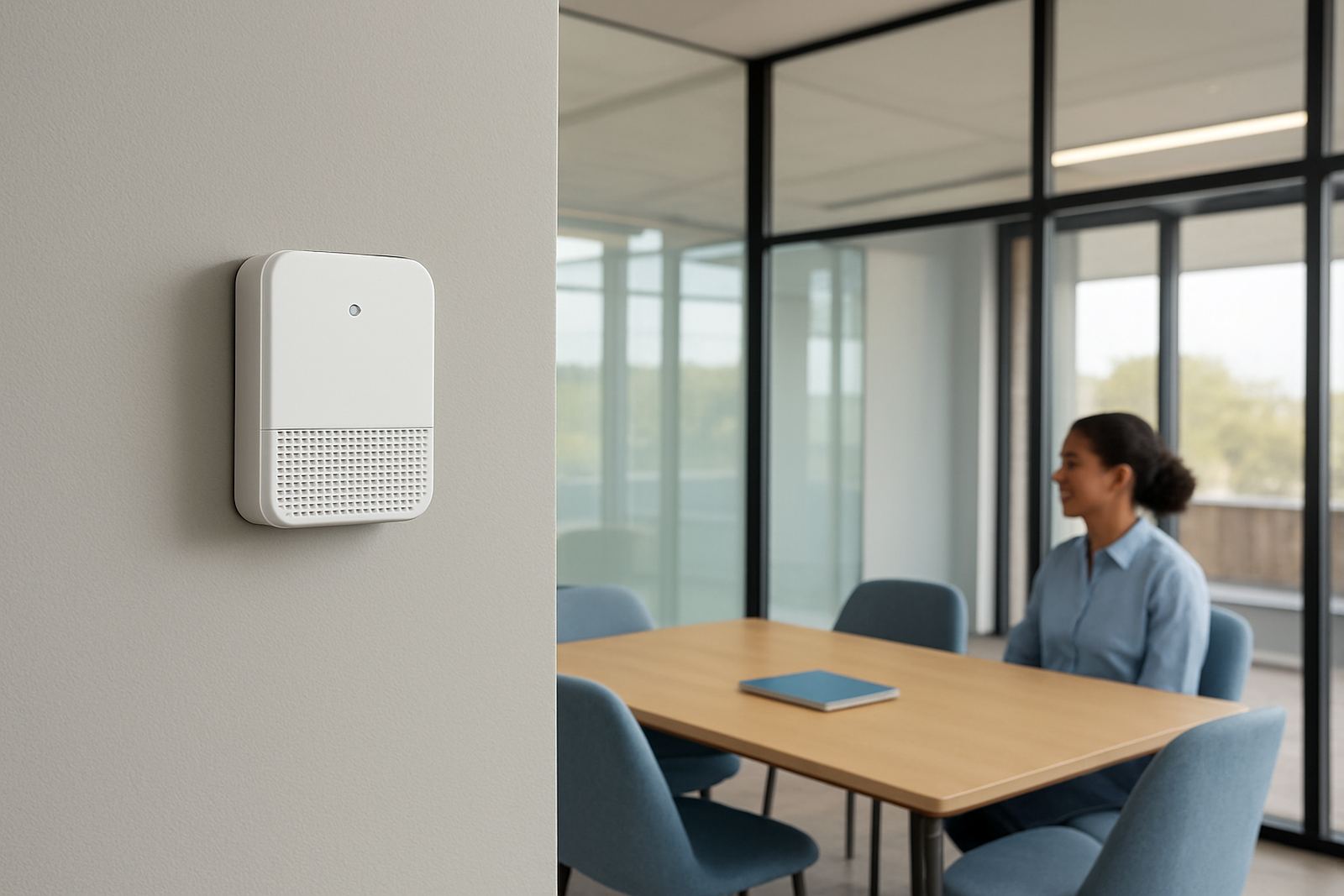
Most CO2 room sensors are compact wall mounted units, with some available as duct sensors or ceiling mounted variants depending on the control strategy. For room use the wall sensor is the usual choice because it measures the occupied zone directly and is easier to read during commissioning. If you are fitting out a new office in Sandton or Centurion, a neat flush mounted sensor is often preferred for a cleaner finish.
Options can include display or no display, analogue output, digital communications, relay contact output, and models with temperature and humidity sensing built in. That extra data can help when one room runs hot because of people, laptops and poor return air path. We normally match the sensor style to the controls package already on site so the readings can be used properly, not just shown on a screen.
- Wall mounted room sensor for occupied zones
- Duct sensor for plant room or air handling applications
- Display or non display versions
- Analogue, digital or relay based outputs depending on the controller
- Optional temperature and humidity measurement on selected models
Where it suits best in Johannesburg and Pretoria buildings
This product suits spaces where occupancy changes through the day and ventilation must keep up without over supplying fresh air all the time. In older office buildings around Randburg and Pretoria East, this is especially useful where windows are sealed and the existing air-conditioning recirculates air for long periods. The sensor gives the control system a better picture of what is really happening in the room.
It also works well in mixed use spaces such as client meeting rooms, church halls, classrooms, medical waiting areas and smaller conference facilities. If the building has load shedding backup, the sensor can still be part of the controls strategy provided the system controller and ventilation kit remain powered. In coastal conditions you would want to confirm that the sensor enclosure and terminals are suitable for the humidity level but inland Gauteng installations are usually straightforward.
- Meeting rooms that fill and empty through the day
- Open plan office zones with high occupancy
- Training rooms, boardrooms and conference suites
- Reception areas with limited fresh air movement
- Commercial sites wanting better indoor air quality control
Installation, wiring and power requirements
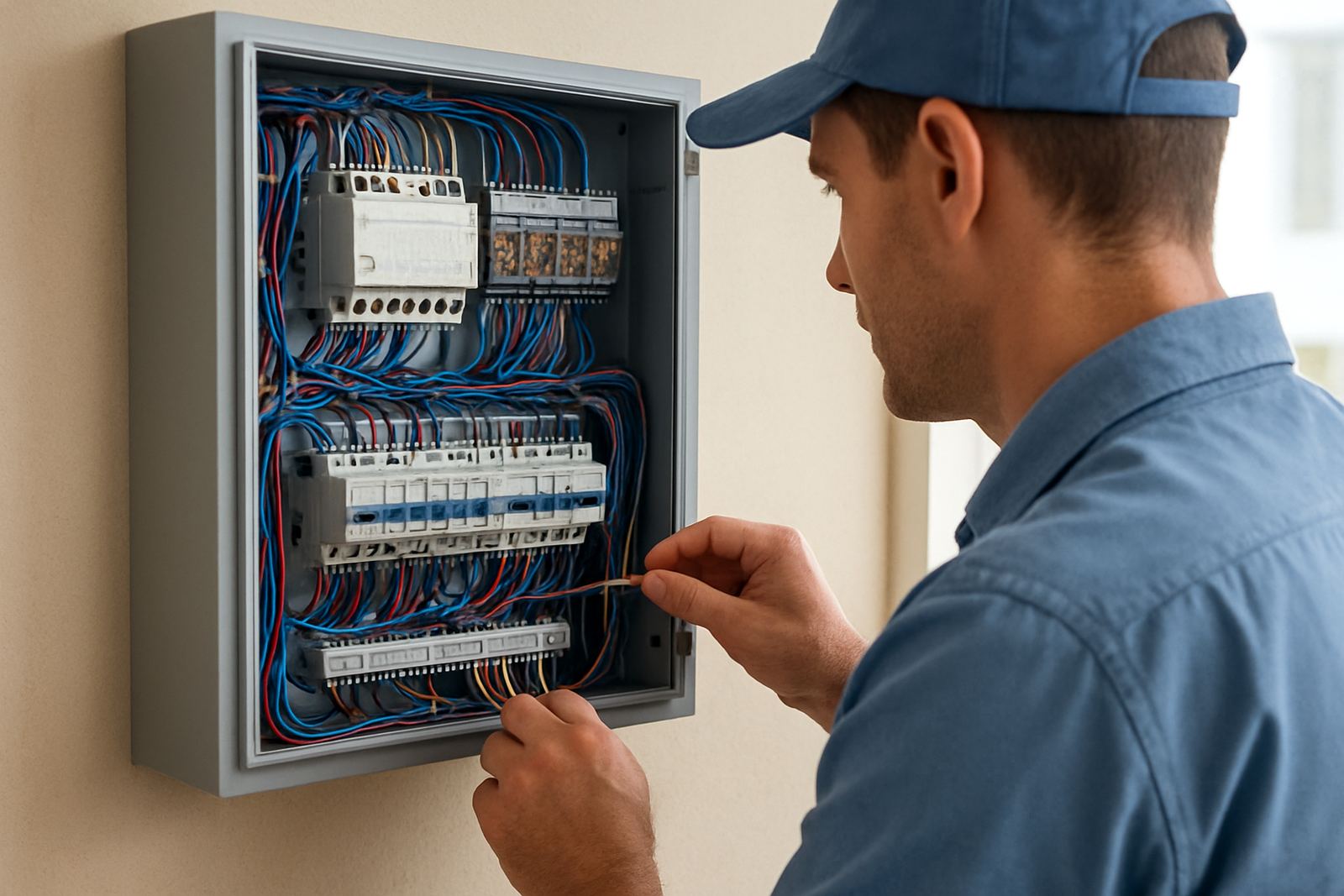
Installation is normally simple for a qualified HVAC or controls technician. The sensor is fixed to a suitable internal wall, away from direct supply air, open windows, kettles and sun strike. It is then wired back to the controller or BMS interface using the correct cable type and termination method for the selected output. On a retrofit job we always check the existing control panel first because it saves time and avoids mismatched signals later.
Power depends on the model. Some sensors are powered by 24 V AC or DC from the controller, while others use a dedicated supply. There is no gas connection required because the unit measures room air electronically. Good mounting position matters more than most people expect. If it is fitted right next to a diffuser or behind a curtain the reading will be wrong and the ventilation response will follow the wrong number.
- Mount on an internal wall at occupied breathing height where possible
- Keep clear of direct supply air and heat sources
- Confirm supply voltage and output type before ordering
- Allow for controller wiring and any signal conversion needed
- No gas supply or gas piping is required
Care, calibration and seasonal servicing
CO2 sensors need light maintenance rather than heavy servicing, but they should still be checked as part of the building service routine. Dust build up, accidental damage and poor location can all affect the reading over time. On sites in Johannesburg CBD or busy Pretoria office parks, we often include sensor checks during seasonal servicing so the readings stay reliable when rooms are full again after holidays or year end shutdowns.
Depending on the model, the sensor may need periodic calibration or a verification check against a known reference. In many cases the controls contractor can confirm the readings without removing the unit, but if the sensor has drifted or been exposed to bad conditions it is better to replace it than keep chasing false alarms. If the room is used for smoke, spray adhesive or other chemicals, let us know because that can shorten sensor life.
- Wipe the enclosure with a dry or slightly damp cloth only
- Do not paint over the sensor openings
- Check calibration or verification at service intervals
- Replace damaged or drifted units rather than resetting them repeatedly
- Keep service records with the rest of the HVAC maintenance file
What to check before you place an order
Before ordering, it helps to know exactly how the sensor will be used, what it must connect to and what the building already has in place. A boardroom upgrade in Sandton may only need a single wall sensor and one control point, while a new build in Centurion could need several sensors tied into a zone control strategy. Getting these details right first avoids delays on site and makes commissioning smoother.
We normally ask for the room size, ceiling height, occupancy pattern, controller make-up and the desired output signal. If the goal is to control outside air dampers, make sure the mechanical system can actually respond to that signal. Also confirm whether the sensor must sit flush in a wall box or surface mount is acceptable. Small details like cable route and mounting height are often sorted too late, then everyone has to improvise on install day.
- Room dimensions and typical occupancy
- Controller type and required output signal
- Mounting style: flush, surface or duct
- Supply voltage available on site
- Whether temperature or humidity sensing is also needed
- Any special conditions such as load shedding, smoke exposure or high humidity
| Measured parameter | Carbon dioxide concentration in indoor air |
|---|
| Typical use | Meeting rooms, boardrooms, training rooms and dense office zones |
|---|
| Output options | Analogue, digital or relay depending on model |
|---|
| Power supply | Common options include 24 V AC/DC, model dependent |
|---|
| Mounting | Wall mounted room sensor, with duct options available |
|---|
| Maintenance | Periodic cleaning and calibration verification during service visits |
|---|