What the Backup Power Interface does
This interface sits between the control setup and the power event, helping the system come back in a known state after backup power use. In plain terms, it reduces the chance of odd start-up behaviour, lost settings, or zones opening and closing in the wrong order after an outage. That matters when a ducted system has multiple dampers, thermostats and a controller that must all wake up properly again.
It is not a power supply on its own. The interface works with selected control components so they can recover cleanly once the main supply returns, or when an inverter or generator takes over. On sites with frequent load-shedding in Sandton, Randburg, Centurion or Pretoria East, this is often the difference between a quick restart and a service call.
Where this interface suits best
This product suits zoned ducted systems in homes, offices and smaller commercial buildings where a stable restart is important. It is especially useful where the air-conditioning is tied into home automation, smart thermostats or scheduled run times, and where occupants expect the same zone settings after each interruption.
- Homes with a central ducted system and several rooms on individual dampers
- Offices that run after-hours cooling or early morning start-up cycles
- Properties with inverter backup, generator backup, or both
- Sites where voltage dips and short outages happen often
- Retrofitted systems that need a cleaner recovery after power returns
For coastal humidity or dusty inland conditions, the interface itself is indoors and protected, but it still supports a system that needs reliable control logic when the power supply is not steady. In mixed-use buildings, it also helps the technician keep the restart sequence predictable across different zones.
Sizes, options and control compatibility
The interface is supplied as a compact control module intended for selected compatible systems. The exact option depends on the controller type, the number of zones, and whether the property uses standard mains changeover, inverter backup, or generator backup. Some installs only need a simple restart aid, while others need a more considered sequence linked to the thermostat and damper controls.
- Single interface module for one control grouping
- Option to suit retrofit jobs or new build installations
- Suitable for selected thermostat and zoning control setups
- Can be specified alongside smart control programming
Because every zoning layout is a bit different, the final choice should be matched to the control panel arrangement and the number of dampers on the system. If a property in Pretoria has one main living area plus a separate bedroom wing, the control logic will usually be different from a long office corridor with many small rooms.
Installation, power supply and site requirements
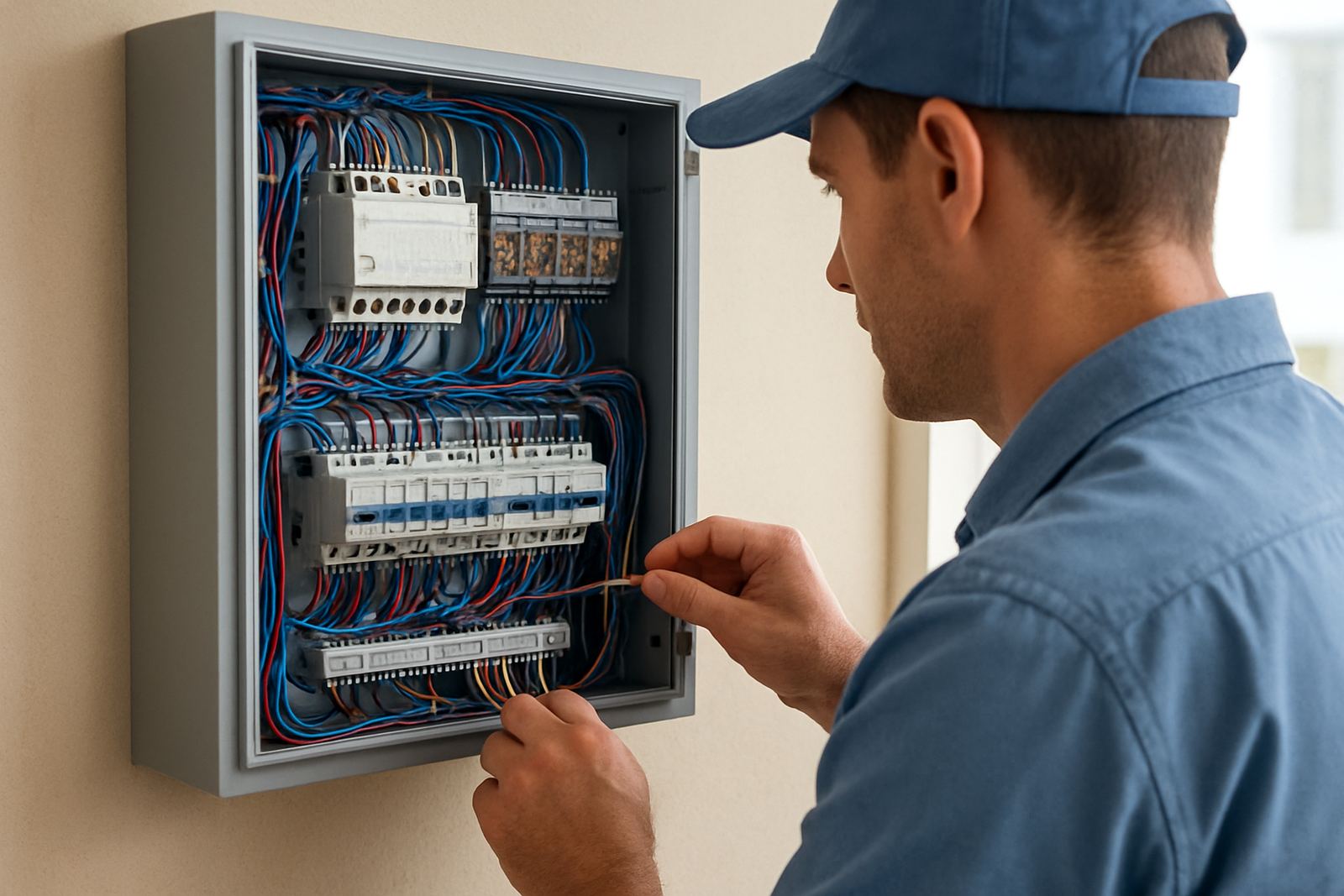
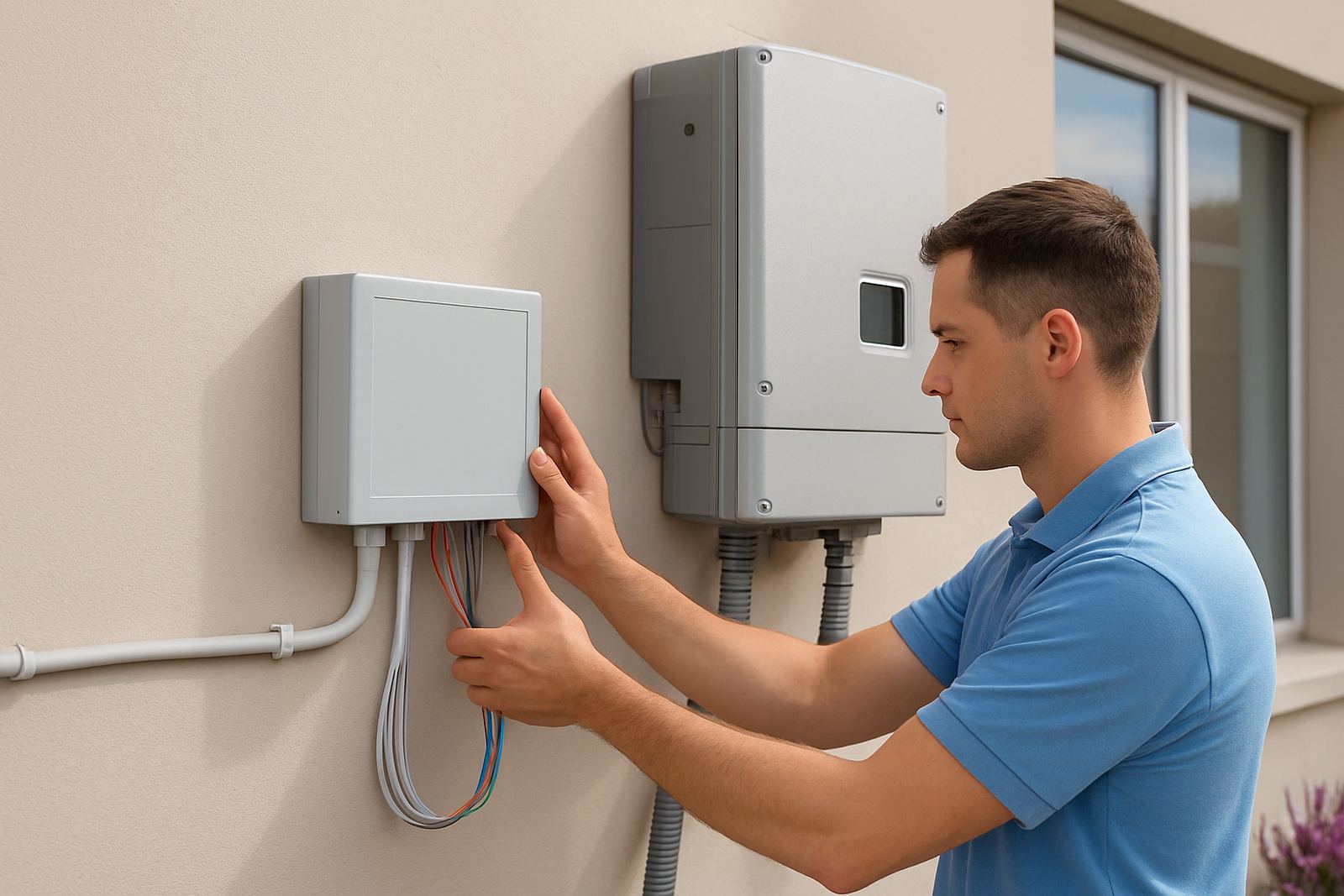
The interface must be fitted by a qualified HVAC or controls technician who understands the zoning layout and the changeover source. It is normally installed inside the control area close to the controller, with neat cable routing and enough access for future service work. Good installation matters because a bad connection can leave the system behaving unpredictably after the next outage.
Power requirements depend on the control setup being supported. The interface is designed to work as part of the low-voltage control arrangement, while the main air-conditioning equipment still follows the normal electrical supply arrangement and isolators. If the site also uses gas heating or other plant tied into the same controls, those elements must be checked separately so the restart sequence stays correct.
- Confirm the control voltage before ordering
- Allow space in the control enclosure or nearby service area
- Keep wiring away from high heat and moving parts
- Use proper isolation and labelling for maintenance access
On retrofits, the technician should first check what happens when the power fails and returns, because some older controllers recover differently from newer ones. That short test often saves time later and avoids guesswork.
Care, servicing and when to test it
The interface itself has little day to day maintenance, but it should be checked during the normal seasonal service of the air-conditioning system. A technician should confirm that the controller restarts cleanly, the zones respond correctly, and any connected thermostats keep their settings after a brief interruption. That is worth checking before summer in Johannesburg and again before winter in Pretoria, when heating and cooling demands change.
During servicing, look for loose terminals, damaged control cable, signs of moisture ingress, or dust build-up around the control enclosure. In offices where cleaners, maintenance staff or ceiling work have happened, it is common for a small control issue to show up only after the next power cut. Catch it early and you avoid a bigger fault later.
What to check before ordering
Before you place an order, make sure the controls team has the right information. The interface must match the system rather than just the air-conditioner brand, so the details matter. If you send the wrong control layout, the part may still fit physically but not behave correctly after backup power use.
- Controller model and control type
- Number of zones and dampers on the system
- Whether the site uses inverter or generator backup
- New build or retrofit installation
- Any linked thermostats, timers or building controls
- Power cut behaviour currently seen on the site
If you are unsure, a site assessment is the safest starting point. A short inspection can confirm the control arrangement, load considerations and any wiring changes needed, instead of guessing from drawings alone. That is especially useful on older homes in Randburg or office fit-outs in Centurion where the documentation is incomplete.
Why it matters on South African sites
Power interruptions do more than stop cooling. They can leave dampers half-positioned, settings lost, and a building uncomfortable for hours after supply returns. A backup power interface helps the control side recover properly, which is often the part people overlook until the first summer outage. For homes with bedrooms on separate zones, or offices with meeting rooms that must come back on in the right order, that clean restart is a practical benefit not a luxury.
For Airzone work in Johannesburg and Pretoria, this product is typically specified as part of the wider control and zoning plan, together with airflow balancing and commissioning. The goal is simple: when power comes back, the system should behave like it was meant to, not like it needs a second reboot.
Key facts
| Product type | Control interface for clean restart after backup power use |
|---|---|
| Application | Selected zoned ducted air-conditioning control systems |
| Install location | Indoor control area, near the zoning controller |
| Power arrangement | Low-voltage control integration, matched to site supply setup |
| Compatibility | Depends on controller model, zone count and backup source |
| Typical use | Homes, offices, retrofit jobs and new build installations |