What the wireless room sensor does in a zoned system
This sensor reads the conditions in a specific room and sends that information to the zoning controller, so the system can open or close the right damper for that area. In practical terms it helps the installer control a bedroom, office or meeting room on its own instead of treating the whole building as one space.
For retrofit work this is often the cleanest option because there is no need to chase new cable through plaster ceilings or finished bulkheads. The unit is battery powered, so it suits properties where access is tight, cabling is limited, or the owner wants less disruption during the install.
- Measures room temperature for zone control
- Supports retrofit zoning without new wiring runs
- Works with ducted systems and motorised dampers
- Can be used in homes, offices and mixed-use spaces
Where it suits best in Johannesburg and Pretoria
We normally suggest wireless room sensors when a client is upgrading an existing ducted system in Sandton, Randburg, Centurion or Pretoria East, especially where ceilings are already closed. It also suits new rooms added later, such as a garden office or a converted upstairs suite, where running a fresh cable would mean extra making good.
The sensor is a good fit for buildings that need accurate control across different usage patterns. An open-plan office in the morning may need one setting, while a home in Midrand or Brooklyn may need another depending on sun load, occupancy and which rooms are in use.
- Retrofit homes with finished ceilings
- Offices where walls and ceilings should not be disturbed
- Rooms far from the main thermostat location
- Properties with phased upgrades over time
Sizes, mounting options and placement
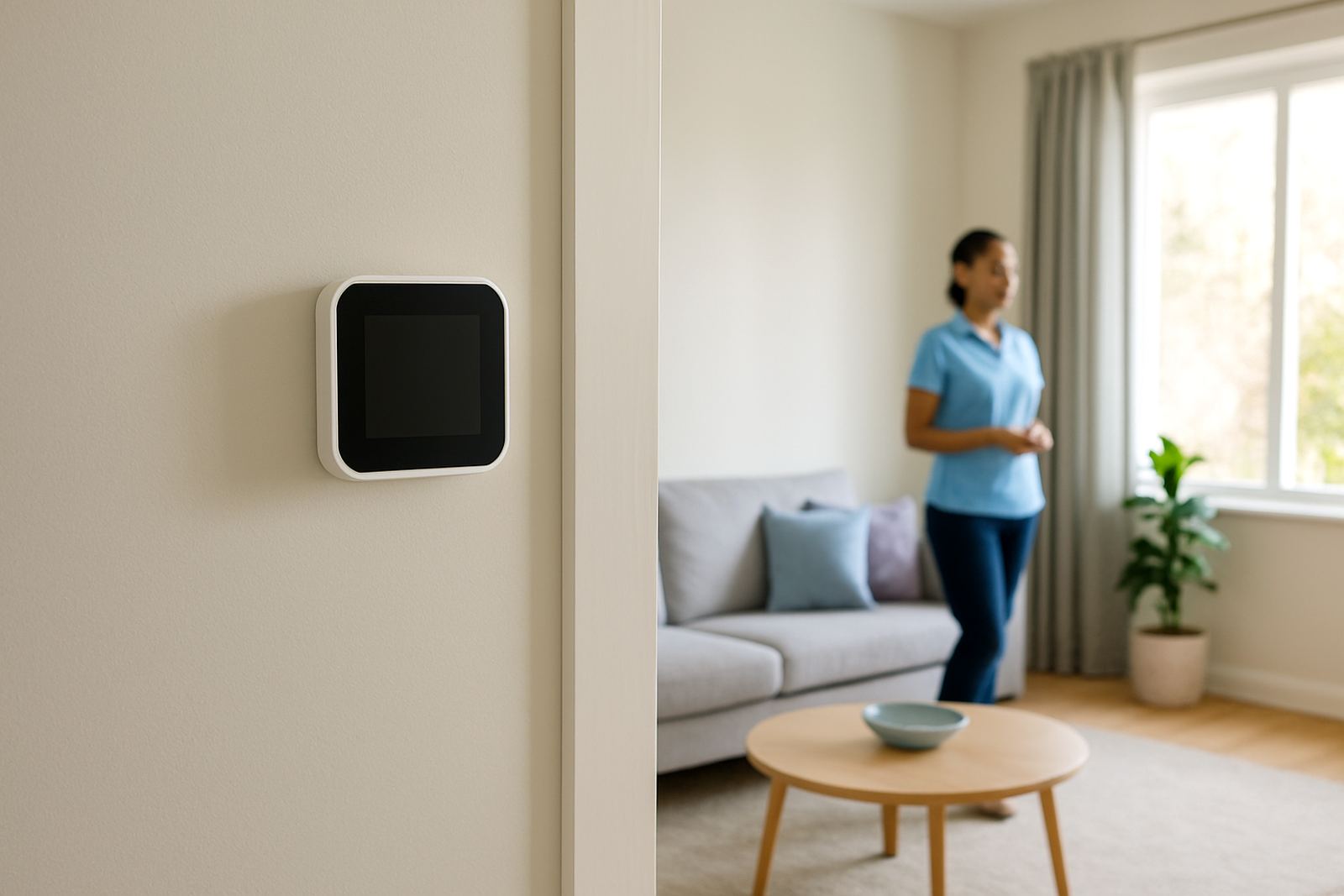
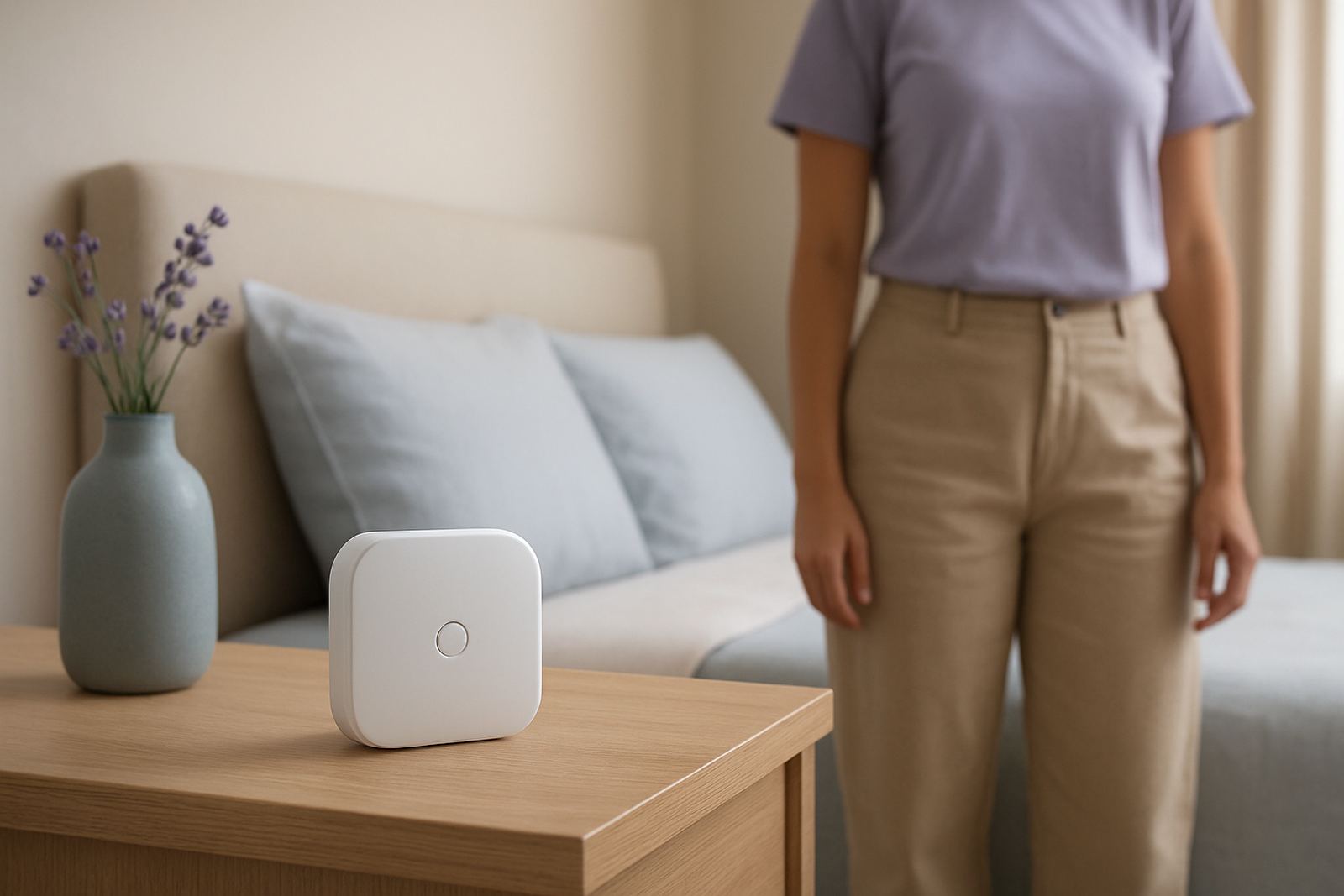
Wireless room sensors are normally compact wall-mounted units, with a clean faceplate and simple room-temperature reading. The exact casing size can vary by model, but the key point is that it should sit in a free-air position, not behind a curtain or above a heat source. If the room gets strong afternoon sun or has a lot of people moving through it, placement matters even more.
During design we look at the ceiling plan, the damper layout and the daily use of each zone before deciding where each sensor should go. In a Pretoria office with several small rooms, that can mean one sensor per room. In a larger Johannesburg home, it may only need to cover the main living areas and a few bedrooms.
- Wall-mounted, battery-powered format
- Suitable for single rooms or multiple zones
- Can be positioned where cabling would be difficult
- Best placed away from direct sun, air discharge and appliances
Installation, power needs and system setup
Because the sensor runs on batteries, it does not need mains power or gas supply. The important part is pairing it correctly with the zoning controller and confirming that each damper responds to the room reading as intended. That setup is where good design and commissioning make the difference between a system that just works and one that keeps fighting itself.
On site, our team checks the airflow design, supply and return conditions, and the controls logic before programming the zones. If the system is being installed in stages, we can add sensors later as rooms are completed. For a retrofit in an occupied office, that keeps downtime low and avoids unnecessary disruption.
- No hardwired power point required at the sensor
- Battery replacement is part of routine maintenance
- Requires compatible zoning controls and dampers
- Should be programmed during commissioning, not after the fact
Care, servicing and battery checks
Like any control device, the sensor needs a bit of attention over time. The casing should be kept clean, dust should not be allowed to build up on the openings, and batteries should be checked during seasonal servicing. In coastal humidity or dusty inland conditions, that simple care helps keep readings consistent.
During a service visit we also confirm that the zone is still reading correctly against the actual room temperature. If the client has added partitioning, changed furniture layouts or altered airflow with a new ceiling fan, the room may behave differently and need a small adjustment. That is normal on systems used every day.
- Wipe with a dry soft cloth only
- Replace batteries before they run flat
- Check sensor position after room changes
- Include it in seasonal HVAC servicing
What to check before you order
Before ordering a wireless room sensor, confirm the number of zones, the type of ducted system in place and whether the zoning controller already supports wireless input. It also helps to know which rooms need independent control and whether any room has unusual heat gain from west-facing glass, servers or kitchen activity.
We also recommend checking access for installation, battery change access later on, and whether the sensor will be mounted in a place that reflects actual room use. A sensor fitted in the wrong spot can misread the room and give poor comfort even if the rest of the system is well designed, so this part should not be rushed.
- Confirm controller compatibility
- List each room or zone that needs control
- Check wall location and mounting height
- Allow for battery replacement access
How we use it on retrofit zoning projects
Our Johannesburg team uses wireless room sensors on retrofit zoning projects where the client wants room-by-room control without opening up finished areas. It is common on homes in Sandton and Pretoria East, as well as offices in Randburg and Centurion that are being upgraded while still occupied. The aim is always practical comfort, not extra gadgets.
We handle site assessments, system design, load calculations, retrofit installations, controls programming, airflow balancing and seasonal servicing. That means the sensor is not treated as a stand-alone item. It becomes part of the full ducted air-conditioning design, with the dampers, thermostat logic and airflow all set up to work together properly.
- Useful for phased upgrades
- Fits occupied buildings where downtime must be limited
- Supports better comfort across rooms with different usage patterns
- Can be added to an existing zoning plan after assessment
Key facts
| Power | Battery powered room sensor, no mains supply at the unit |
|---|---|
| Use case | Retrofit zoning where new cabling is limited |
| Control type | Wireless room temperature input to the zoning controller |
| Typical fitment | Homes, offices, small commercial rooms, and phased upgrades |
| Installation note | Requires compatible ducted system, dampers and programmed controls |
| Service interval | Check batteries and sensor position during seasonal servicing |