Wall control for one zone at a time
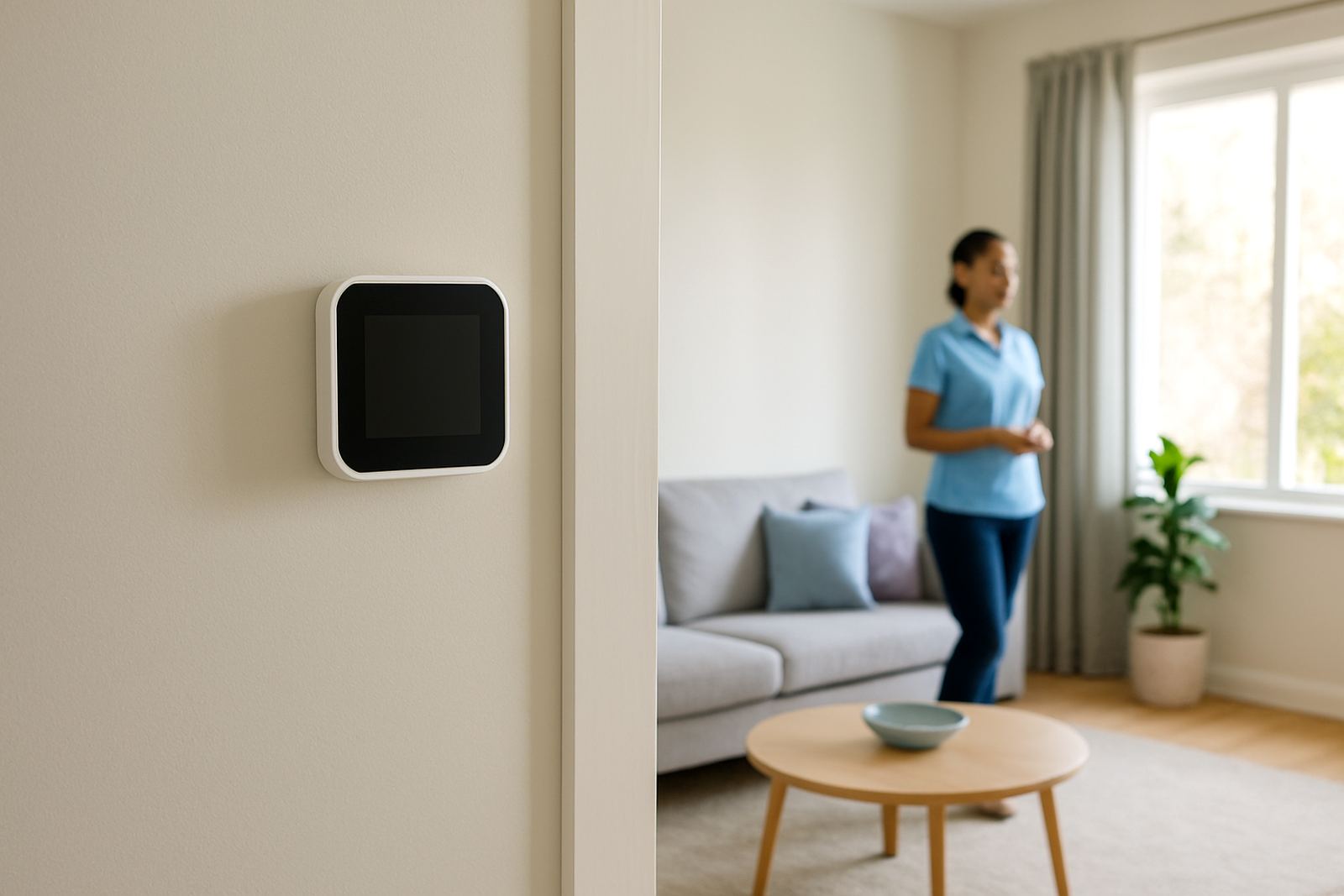
The Touch Thermostat is a wall-mounted control used with zoned ducted air-conditioning. It lets the user set temperature, switch between heating and cooling modes where the system allows it, and choose fan or schedule options from one neat point on the wall. In a home office in Sandton or a meeting room in Centurion, this keeps the room comfort level simple for the person using that space.
It is most useful where the system is divided into separate zones with motorised dampers. Each zone can have its own thermostat, so the lounge does not have to sit at the same setting as bedrooms or a server room. For many clients, this is the main reason for moving to zoned control. Less fiddling at the main unit, more control where it is needed.
Typical sizes, screen options and control features
The touch thermostat is usually supplied as a compact wall panel with a colour touchscreen. The exact front size depends on the control range selected for the project, but it is generally small enough to fit on a standard internal wall plate position without looking bulky. The display is clear enough for day-to-day use and suits both private homes and office fit-outs.
On a properly set up system, the user can control the following:
- Zone temperature set point
- Operating mode such as cooling, heating or auto, depending on the system
- Fan speed or fan demand where enabled
- On and off control for the zone
- Time schedules or setback functions on supported systems
For households with older family members, or offices where several people use the same room, the touch interface is easier than scrolling through a small remote. The display can also be set up with simple icons so people do not have to guess what each button does.
Where this thermostat suits best
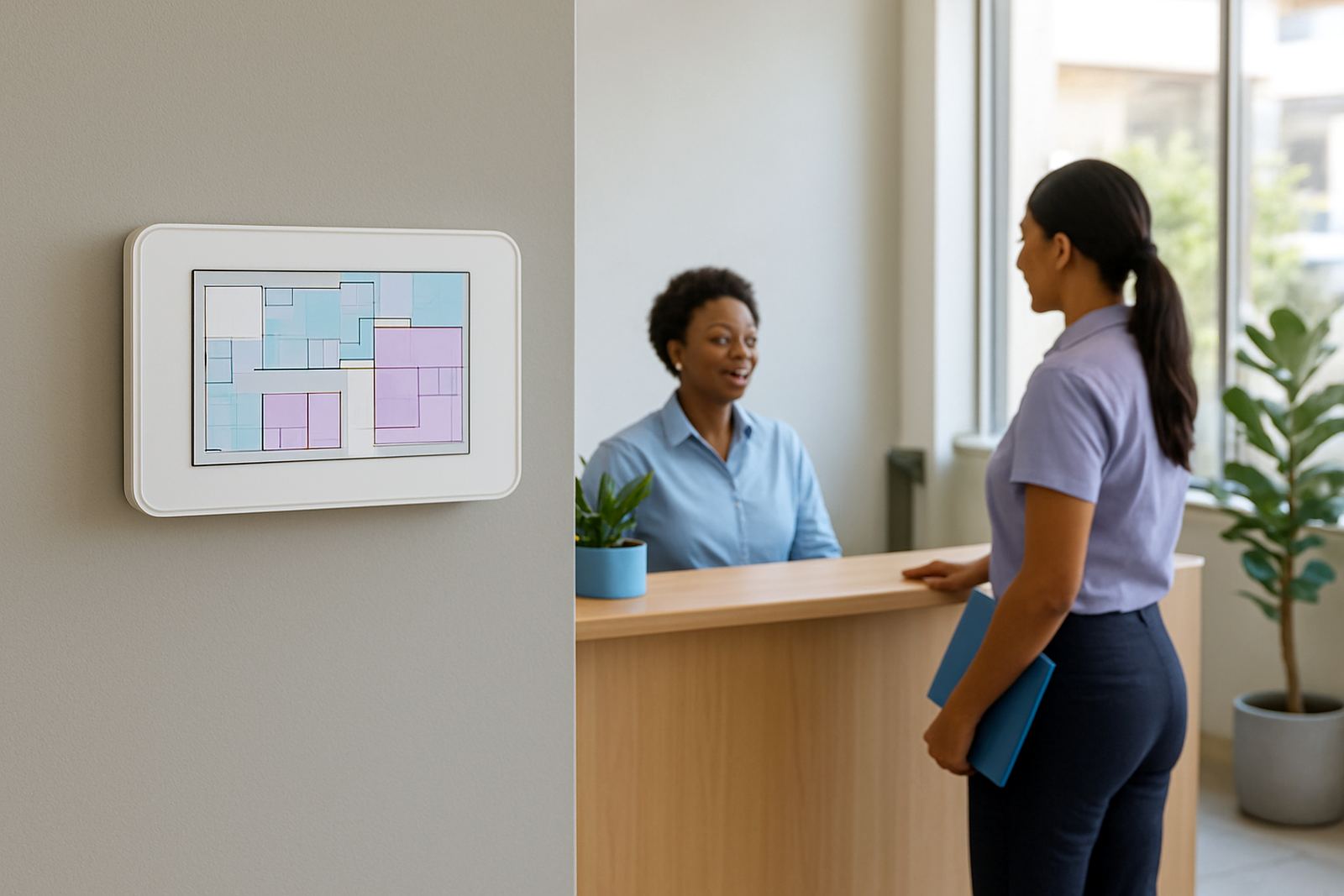
This product is best suited to zoned ducted systems in homes, townhouses, small offices and light commercial spaces. It works well in places where different rooms see different use patterns, like a Pretoria East home with day rooms, bedrooms and a study, or a Randburg office with boardroom, reception and back office areas. It is also useful in homes that need one bedroom cooler at night while the living area is left off.
Because the thermostat is mounted on the wall, it makes sense in rooms where people spend time and want direct control. That includes lounges, main bedrooms, studies, executive offices and shared meeting rooms. In coastal or humid areas it can also help reduce overcooling by keeping the set point visible at the point of use, which saves unnecessary cycling.
- Homes with 2 to 6 controlled zones
- Offices with private rooms and shared spaces
- New builds where control wiring can be planned early
- Retrofits where old controls need a clearer, modern interface
Installation needs and power requirements
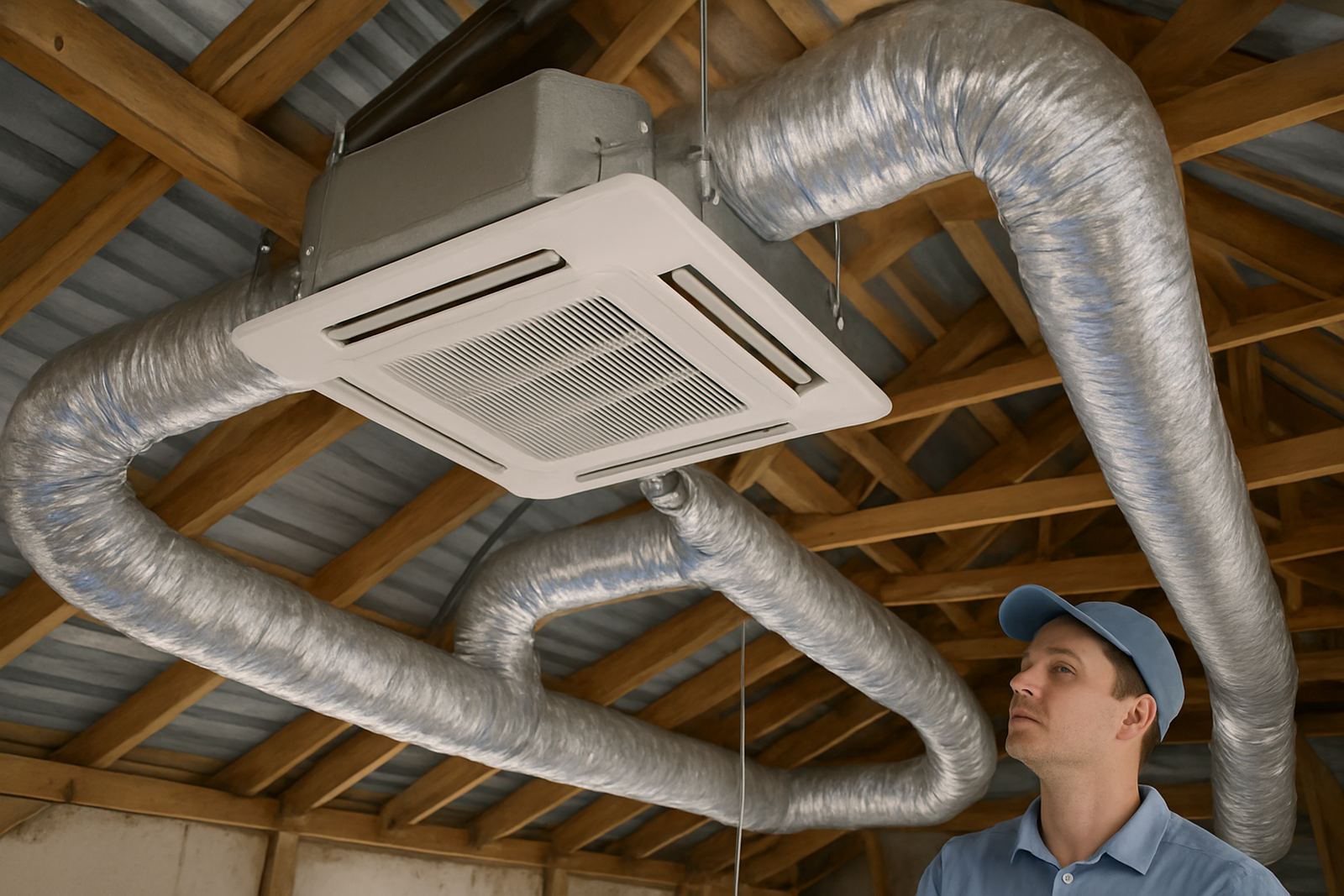
The thermostat is part of the control system, so it must be installed with the correct cabling, zoning hardware and compatible air-conditioning controller. It is not a stand-alone room gadget. During installation we check the position, cable route, damper links and the control board settings before commissioning the zone. If the room already has finished paint and trim, the cable path needs a bit of care to avoid visible patching later.
Most installations need low-voltage control wiring back to the zoning panel or main control board. The exact power requirement depends on the control package and the central system it is connected to. In some sites the thermostat is powered from the controller, while other jobs use a separate supply path within the air-conditioning system. There is no gas requirement at the thermostat itself, but the room still needs the main heating and cooling equipment to be correctly sized and commissioned.
For Johannesburg and Pretoria projects, we also look at load calculations and where the indoor unit, return air and dampers sit. Poor placement can cause a room to read wrong, or the thermostat may react too quickly and short cycle. That is why the wall position matters just as much as the unit spec. A simple control can still give bad results if it is mounted next to a sunlit window or above a hot appliance.
Care, cleaning and seasonal servicing
The touch surface only needs light cleaning with a soft dry cloth or a slightly damp one. Do not spray cleaner directly onto the screen, and avoid abrasive cloths that can mark the display. If the thermostat is in a kitchen passage or near a busy office entrance, dust and fine grease can build up on the edges, so a quick wipe now and then keeps it neat.
Like the rest of the zoning system, the thermostat should be checked during seasonal servicing. That means confirming the zone sensor reading, making sure the damper response is correct and checking that the schedule or mode changes still match the occupant's use. If a room suddenly feels too hot or too cold, the issue may be with calibration, the damper, or the control settings rather than the thermostat screen itself.
- Check screen response and button touch every season
- Confirm the temperature reading against a hand held thermometer
- Inspect wiring terminals during service visits
- Test that the zone opens and closes as intended
What to confirm before ordering
Before ordering, it helps to know exactly how the zone system is arranged. The thermostat must match the control type, the number of zones, the damper configuration and the air-conditioning model being used. If this is a retrofit in an older home, we usually need to check the existing wiring and controller before confirming the device. That saves time on site and avoids an item that does not communicate with the rest of the system.
Check these points before you place an order:
- Number of zones that need independent control
- Whether the system uses heating, cooling, or both
- Control voltage and wiring method
- Existing controller compatibility
- Preferred wall position and cable entry point
- Whether scheduling, lockout or user limits are needed
If you are fitting out a new build, put the thermostat positions into the electrical and air-conditioning plan early. For a retrofit, send photos of the current control and the indoor unit location, plus the room names you want zoned. That gives a cleaner result and avoids on-site changes that can hold up the job.
Key facts
| Product type | Wall-mounted touchscreen thermostat for zoned ducted air-conditioning |
|---|---|
| Control use | Temperature, mode and zone control for one area at a time |
| Display | Colour touchscreen with simple icons and readable set point |
| System fit | Compatible with ducted zoning systems using motorised dampers |
| Power | Low-voltage control supply from the zoning controller or system board |
| Best use | Homes, offices, boardrooms, bedrooms and private rooms |