What a single zone damper does in a ducted system
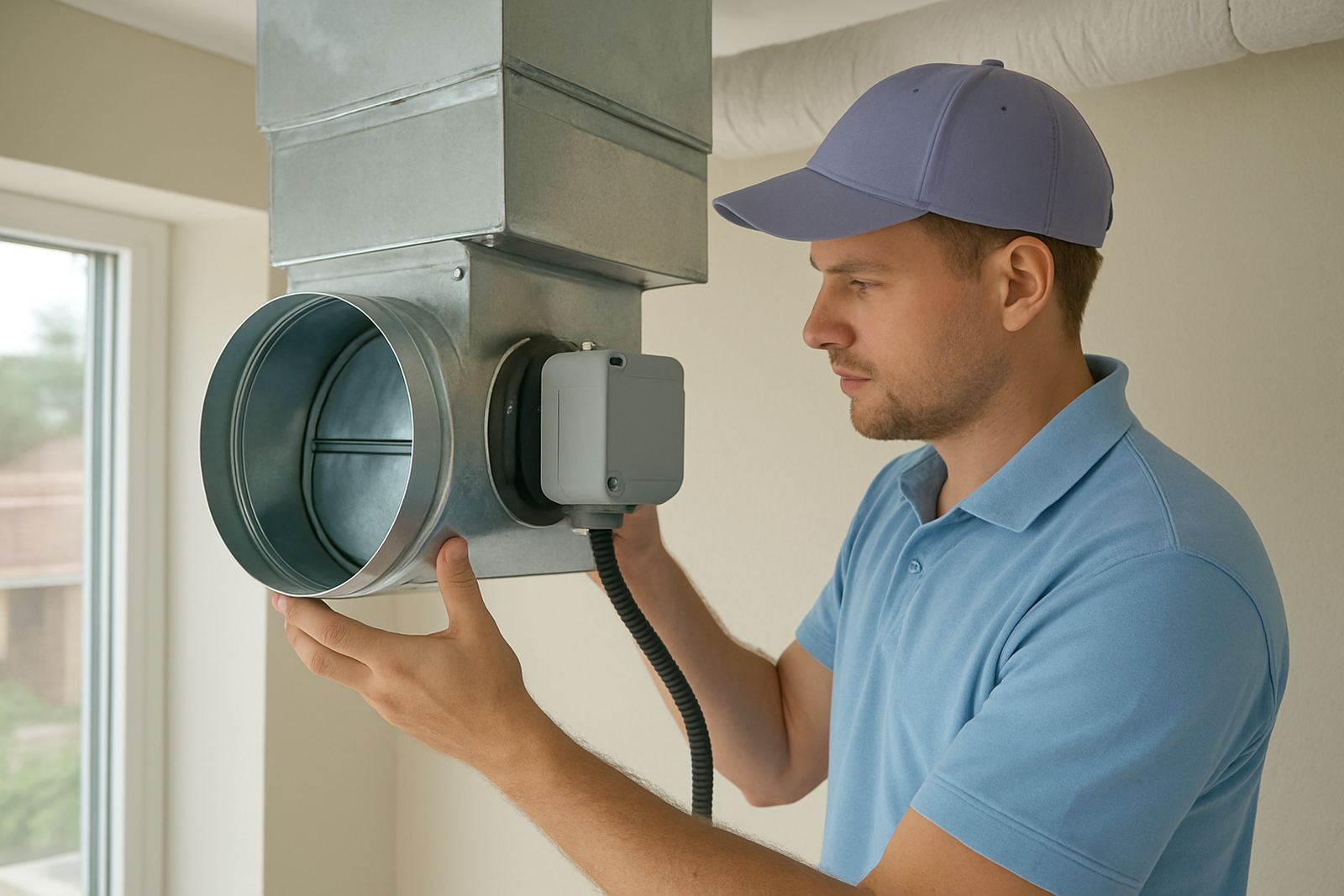
A single zone damper is a motorised blade fitted inside a duct to open or close airflow to one room, office or section of a building. It works with the main air-conditioning system and a thermostat or zoning controller so one area can call for cooling or heating while another area stays closed off.
In a home this is useful for a main bedroom, TV room or upstairs area that needs separate control. In an office it helps with meeting rooms, private offices and reception areas that do not always need the same temperature at the same time. The damper does not make cold air on its own, it simply directs the air where it is needed.
For Johannesburg winter mornings and hot summer afternoons, that control matters. It also helps when some rooms get strong sun, while others stay shaded and cooler. If the system is correctly designed, the damper supports better comfort and less wasted running time.
Sizes, actuator options and pressure ratings
Single zone dampers are usually made to match standard round or rectangular duct sizes. Common round sizes are 150 mm, 200 mm, 250 mm and 300 mm, while rectangular options are made to suit the duct work on site. The exact size depends on the air volume required for that room and the duct pressure available from the unit.
Most units use a spring return or powered actuator. A spring return model closes when power is removed, which is useful for safety and zoning control. A powered open and close actuator is suitable where the damper must hold position. For some sites, a low-profile actuator is better where ceiling space is tight.
- Round or rectangular body to suit the duct run
- 24 V or 230 V actuator options depending on controls
- Manual override on selected models for testing and fault finding
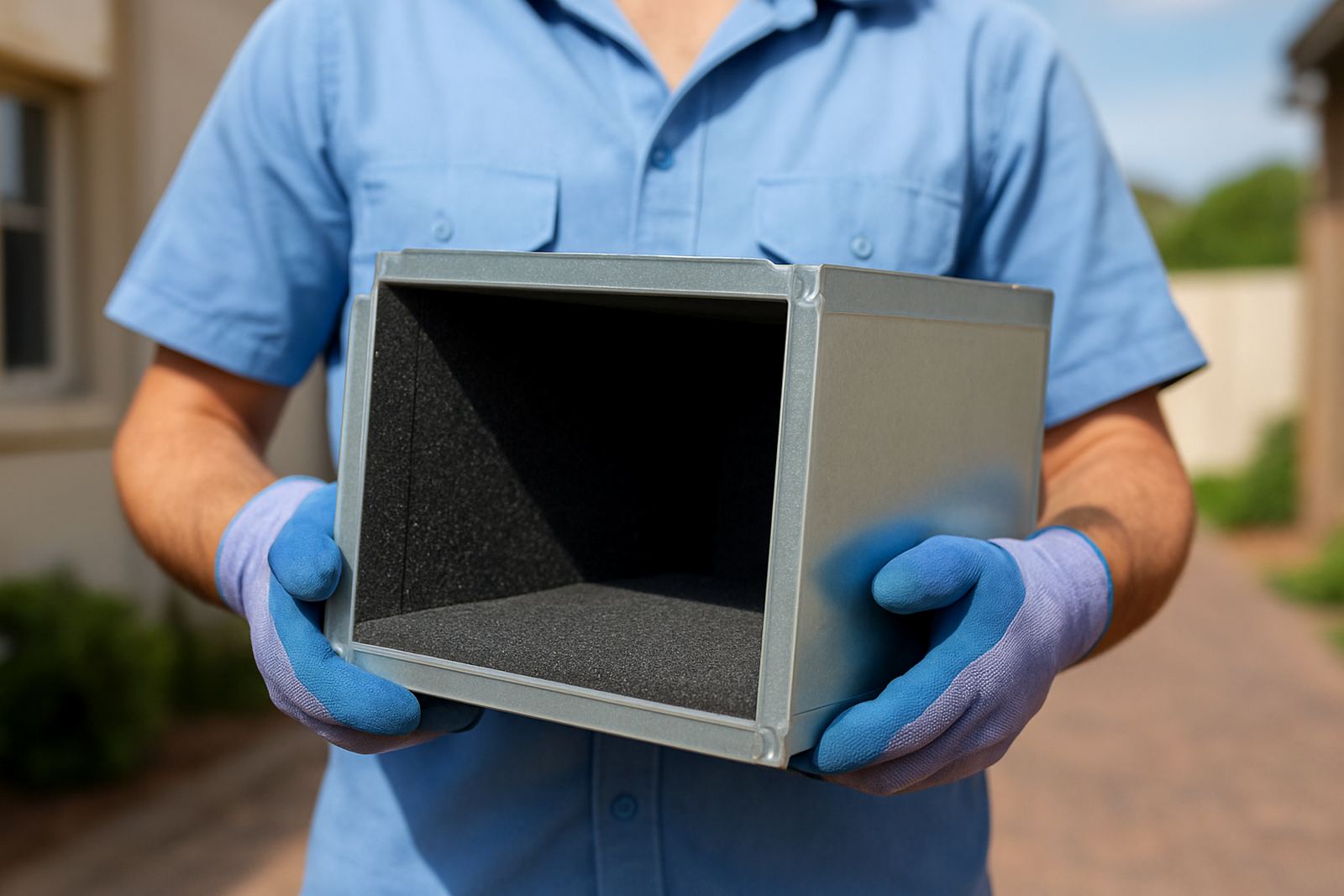
- Galvanised steel body, with sealed blade edges on many units
If the wrong size is fitted, the room can be noisy or under-supplied. That is why airflow calculations should be checked before ordering, not after instalation.
Where a single zone damper suits best
This product suits smaller zoning jobs where one room or one section needs its own on and off airflow control. It works well in homes in Sandton, Randburg and Pretoria East, as well as offices in Centurion and central Pretoria where each space is used at different times.
It is a practical choice for:
- Main bedrooms and guest rooms
- TV rooms and family areas
- Private offices and boardrooms
- Server rooms or equipment rooms that need scheduled cooling
- Upstairs zones that run hotter than ground floor rooms
In coastal-style humidity is less of a concern in Johannesburg, but dust and return-air balance still matter. A damper cannot fix bad duct layout or poor insulation. If a room has undersized ducts, too many bends, or a weak return path, the best result comes from correcting those issues at the same time.
Installation requirements and power supply checks
A single zone damper is fitted into the supply duct and connected to the control wiring for the thermostat or zoning panel. Access to the damper must be left for future service, because it can need testing, cleaning or actuator replacement later. The blade also needs enough straight duct length to open and close properly.
The control side usually runs on low-voltage wiring, while the actuator may be 24 V or 230 V depending on the selected model and the rest of the system. The damper itself does not use gas. It is part of a ducted electric control arrangement, not a gas-fired appliance.
Before installation, check these points:
- Duct size and shape at the fitting point
- Available voltage for the actuator and controls
- Thermostat compatibility with the zoning controller
- Space for access panels and wiring
- Whether the room needs a bypass or extra return air path
During load-shedding, a zoned system can restart more predictably if the controller, thermostat and actuator settings were done correctly from the start.
Care, servicing and fault finding
Single zone dampers need very little day-to-day care, but they should still be included in seasonal HVAC servicing. Dust can build up around the blade and actuator area, especially in homes near busy roads or sites with lots of construction dust. A technician should check that the blade moves freely and fully opens when the zone calls for air.
Common issues include a noisy damper, slow movement, a stuck blade or a room that never reaches temperature. These faults can come from a failed actuator, wiring issue, incorrect controller setting or a duct pressure problem elsewhere in the system. If one zone keeps overcooling while another is too warm, the balancing may need to be redone.
- Check operation at the start of summer and winter
- Keep access panels clear for service work
- Test the actuator after power interruptions
- Clean surrounding ducting during routine servicing
For offices in busy buildings, it is worth logging which rooms are often closed, because that helps with programming and reduces unnecessary cycling.
What to confirm before ordering your damper
Ordering the correct single zone damper starts with the room it must serve. Measure the duct size, confirm whether the run is round or rectangular, and note the air volume needed for the zone. If the room is very small, a full-size damper may be too aggressive. If the room is large, the damper may need to be paired with a wider duct branch or a second control point.
It also helps to know the system type, thermostat style and actuator voltage. If a building already has zoning, confirm whether the new damper must work with an existing controller or a new one. For new builds in Pretoria or Johannesburg, the installer should allow space in the ceiling and plan the wiring path early.
Please check the following before placing an order:
- Room name or area to be controlled
- Duct size, shape and approximate length
- Required actuator voltage
- Whether the damper must fail open or fail closed
- Any access limits in the ceiling or bulkhead
- Need for airflow balancing after fitment
A proper site assessment saves time later and avoids a damper that is too small, too loud or hard to service.
Key facts
| Product type | Motorised single zone duct damper |
|---|---|
| Function | Opens or closes airflow to one room or area |
| Typical sizes | 150 mm to 300 mm round, rectangular to suit |
| Actuator options | 24 V or 230 V, spring return or powered |
| Typical use | Homes, offices, meeting rooms and private zones |
| Maintenance | Seasonal inspection, cleaning and actuator test |