What the humidity sensor does in a zoned system
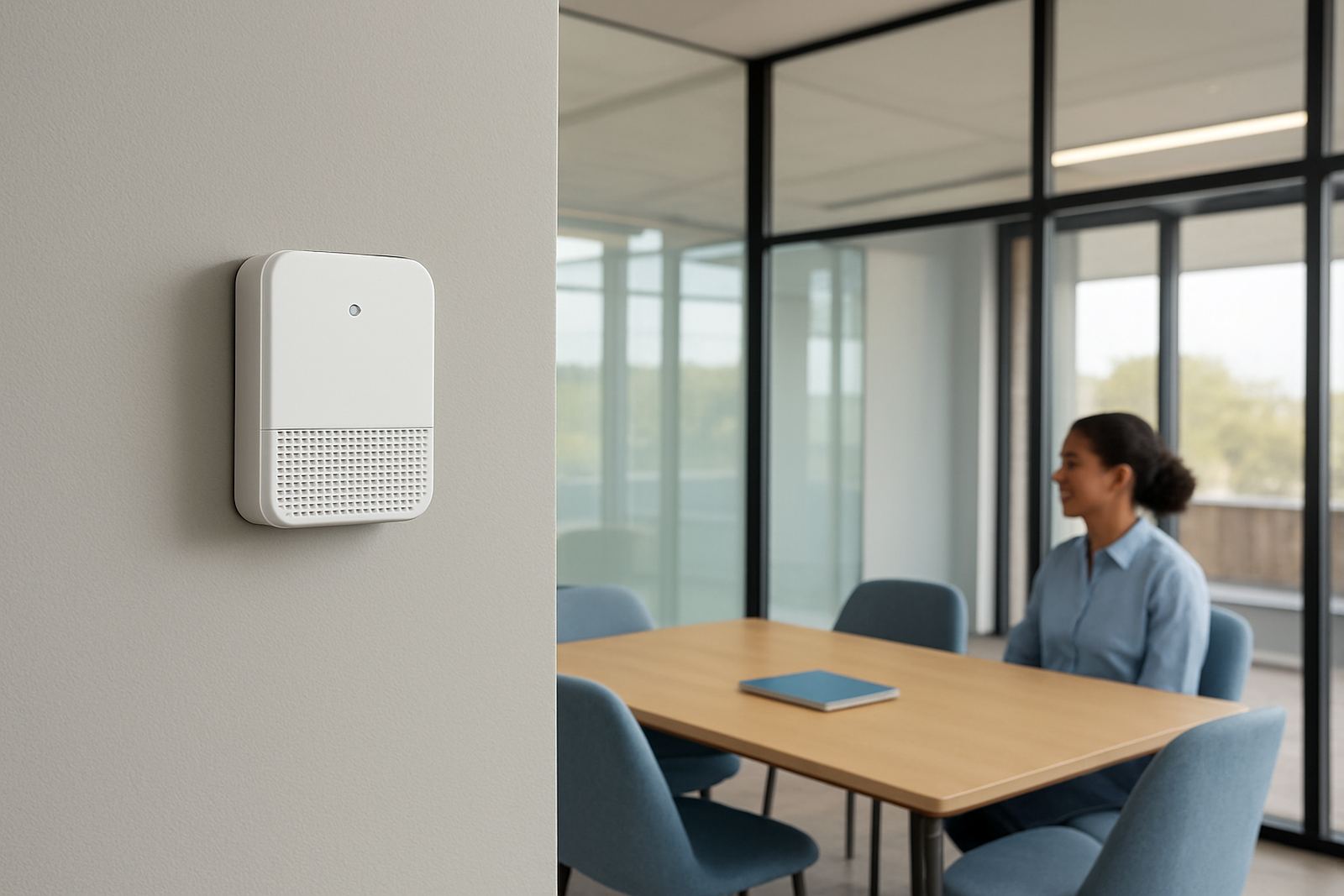
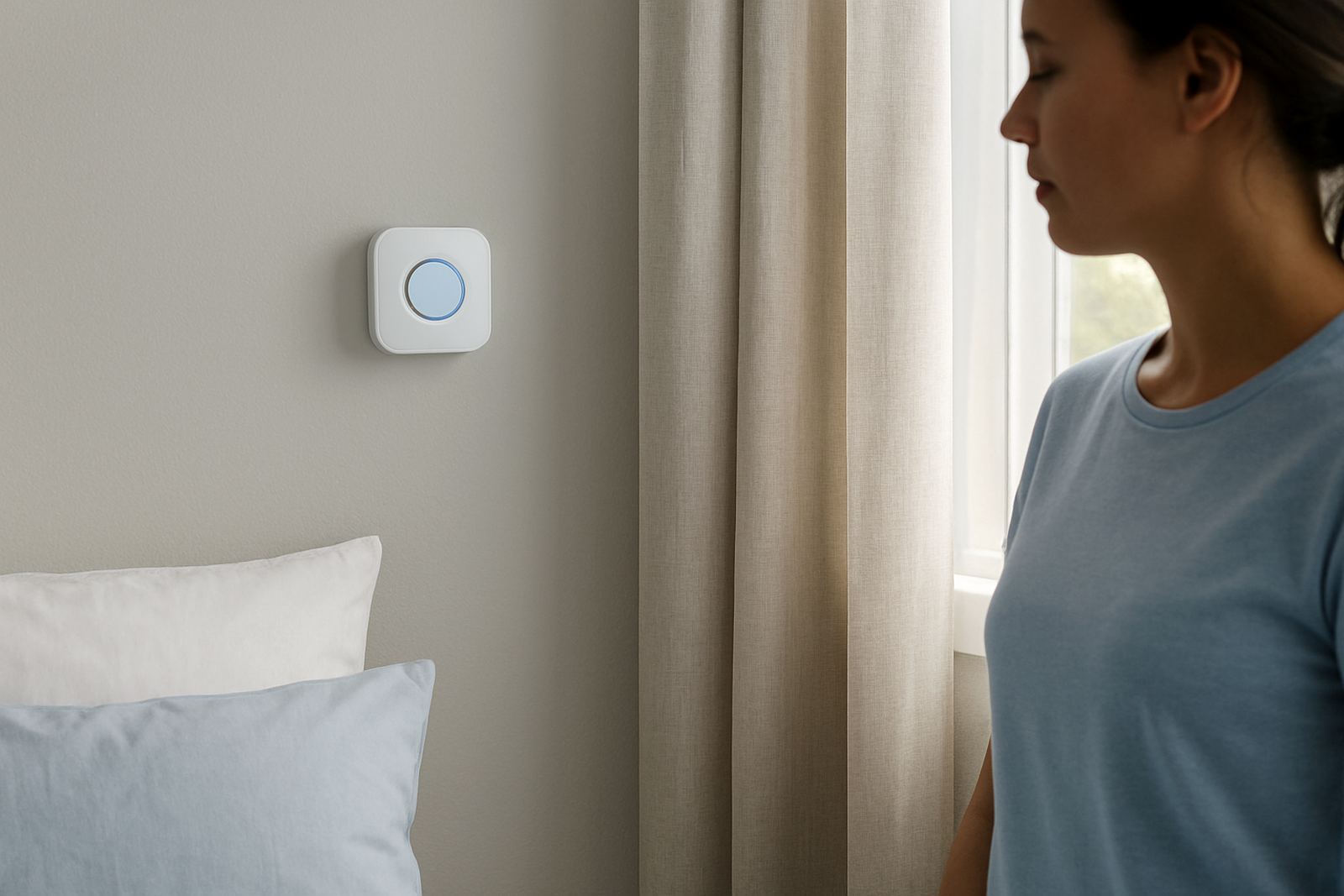
This sensor measures relative humidity in the selected zone and sends that reading to the controller, so the system can make better decisions about cooling and comfort. In practical terms, it helps a room feel less sticky in summer and avoids overcooling when the air already feels dry enough. That matters in boardrooms, bedrooms, home studies and living areas where people sit still for long periods.
In a ducted zoned system, the humidity sensor works alongside the thermostat and room damper controls. It does not replace proper design, it supports it. When the system knows the moisture level as well as the temperature, the air-conditioning can respond more accurately during load-shedding recovery, rainy spells, or when a room has more people than usual.
- Supports more accurate comfort control in selected rooms
- Helps reduce that damp, heavy feeling in occupied spaces
- Useful where temperature alone does not tell the full story
- Works as part of a wider zoned control setup
Where it suits best in Johannesburg and Pretoria properties
This is a good fit for homes and offices in Johannesburg, Sandton, Randburg, Pretoria, Centurion and Pretoria East where different rooms are used in different ways. A north facing bedroom can feel warmer and more humid than a shaded office, while a closed meeting room can trap moisture from people and equipment. The sensor gives the control logic another point of reference.
It is also useful in properties with open-plan living, upstairs bedroom wings, and compact offices where airflow is not the same everywhere. In Pretoria, winter dryness can be an issue indoors, while summer humidity and afternoon storms can change comfort quickly. In Johannesburg the reading can shift from room to room depending on sun, occupancy and airflow.
- Bedrooms and main living areas
- Meeting rooms and small boardrooms
- Home offices and studies
- Rooms with glass, heavy curtains, or irregular sun exposure
- Areas where occupants report stuffy or clammy air
Sizes, options and control compatibility
Humidity sensors are usually supplied as compact wall mounted units or as part of a control package, depending on the system design. The exact format depends on the thermostat type, the controller used, and whether the sensor is being fitted to one zone or several zones. For most domestic and light commercial work, the unit is small enough to fit neatly in the room without drawing attention.
When ordering, it helps to confirm the control platform, the number of zones, and whether the sensor is required as a standalone room reading or as an input to a master controller. Some jobs only need one sensor in a problem room, while other jobs need a few sensors in key spaces. For example, a home with a main bedroom, living room and study may need a different setup to a two floor office with separate tenant areas.
- Wall mounted room sensor for one zone
- Sensor linked to a central controller
- Option for single room monitoring or multiple key rooms
- Suitable for new builds and retrofit installations
- Can be paired with thermostats and airflow controls
Installation needs, power and wiring considerations
Installation should be planned with the rest of the air-conditioning controls, not after the walls are finished if it can be avoided. The sensor needs a suitable position away from direct sunlight, supply registers, kitchen steam, bathrooms, and anything that gives a false reading. If it is placed badly, the system may react to the wrong conditions and comfort will suffer.
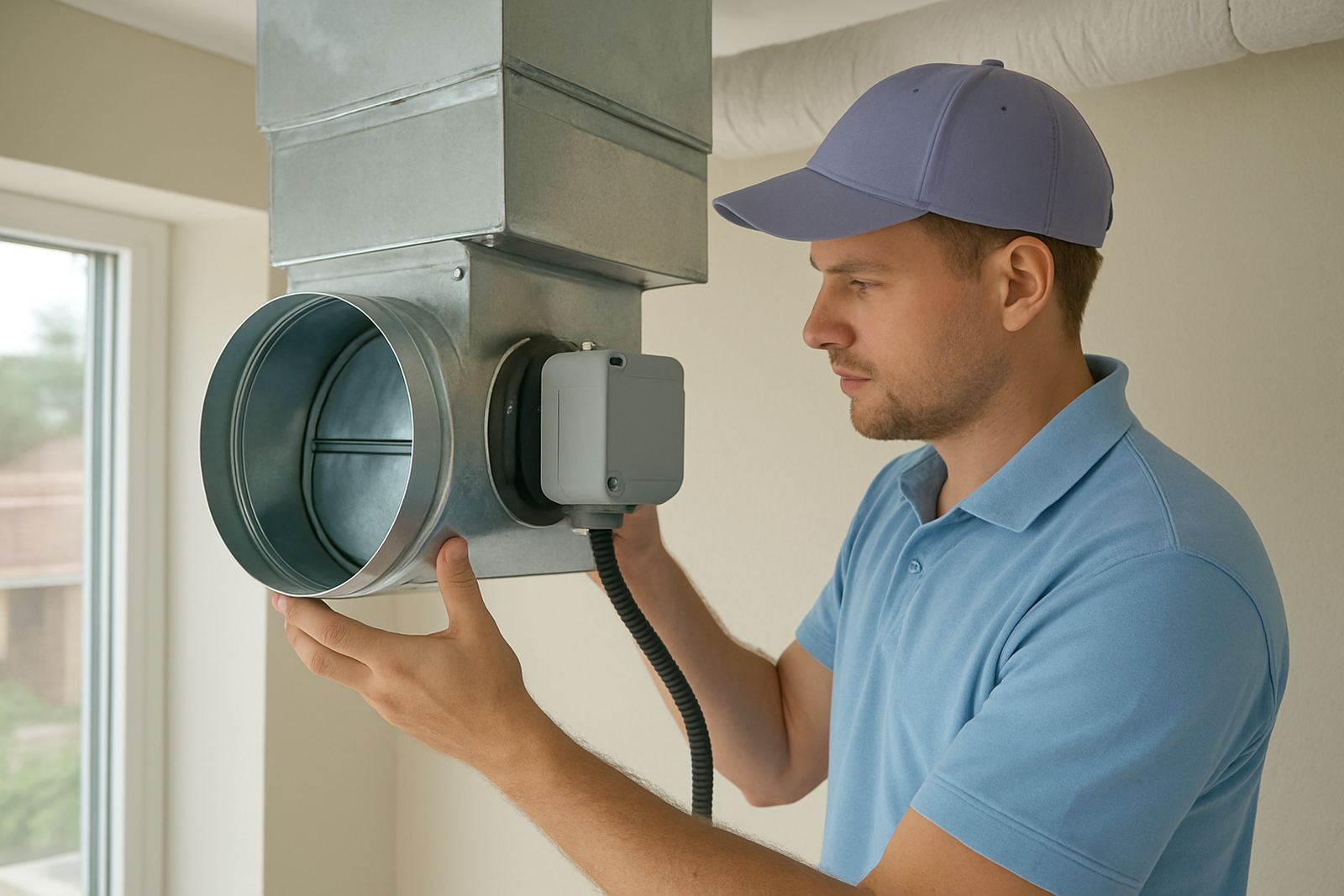
Most installations use low voltage control wiring from the sensor back to the controller or thermostat network. Power requirements depend on the system arrangement, so the installer should confirm what the unit expects before running cable. In a retrofit, cable routes and access panels must be checked carefully so the work is neat and serviceable, especially in offices where ceiling voids are busy. If the building has load-shedding backup, make sure the control side is included in the electrical plan.
- Install away from direct sun, drafts and steam sources
- Allow for low voltage control wiring where required
- Plan sensor positions before final finishes are completed
- Check access to ceiling voids and service points
- Confirm compatibility with backup power arrangements
Care, servicing and long term reliability
Humidity sensors need little day to day attention, but they should be kept clean and checked during regular servicing. Dust on the sensor housing can affect readings over time, especially in offices with high foot traffic or homes near busy roads. A seasonal service is a good time to confirm the sensor is still reporting properly and the readings make sense against actual room conditions.
During an air-conditioning check, the technician should verify the thermostat settings, damper operation and overall airflow balance as well. If the system is short cycling or the room feels damp after rain, the sensor may be fine but another part of the system needs attention. That is why humidity control should be assessed as part of the whole installation, not as a separate little gadget.
- Wipe the housing gently during routine cleaning
- Check readings during seasonal servicing
- Keep the sensor clear of dust and obstructions
- Review airflow and damper settings if comfort changes
What to check before you place an order
Before ordering, confirm the room type, the control system, and whether humidity control is needed in one area or several. It also helps to know if the building is a new build or an existing retrofit, because wiring access and mounting positions can change the approach. For offices, check whether the space is owner occupied or leased, as some landlord rules affect cable runs and ceiling access.
You should also note if the property is near the coast, uses strong kitchen extraction, or has areas that stay closed for long periods. These details can affect how the sensor is applied and where it will be most useful. If you are not sure, a proper site assessment and load calculation will usually show whether the sensor is worth adding to the control plan or whether another control adjustment will do the job better.
- Confirm the brand and controller compatibility
- Check whether one room or several rooms need sensing
- Note any coastal humidity, kitchen steam or enclosed spaces
- Confirm power, wiring and mounting access before ordering
- Ask for design input if the space has uneven comfort
Key facts
| Product type | Indoor humidity sensor for zoned air-conditioning control |
|---|---|
| Use case | Selected rooms in homes and offices |
| Control role | Provides relative humidity feedback to the system controller |
| Mounting | Wall mounted or system linked, depending on the control setup |
| Power | Low voltage control input, system dependent |
| Typical application | New build installations, retrofit upgrades, and problem comfort zones |