What the drain tray sensor does in a ducted system
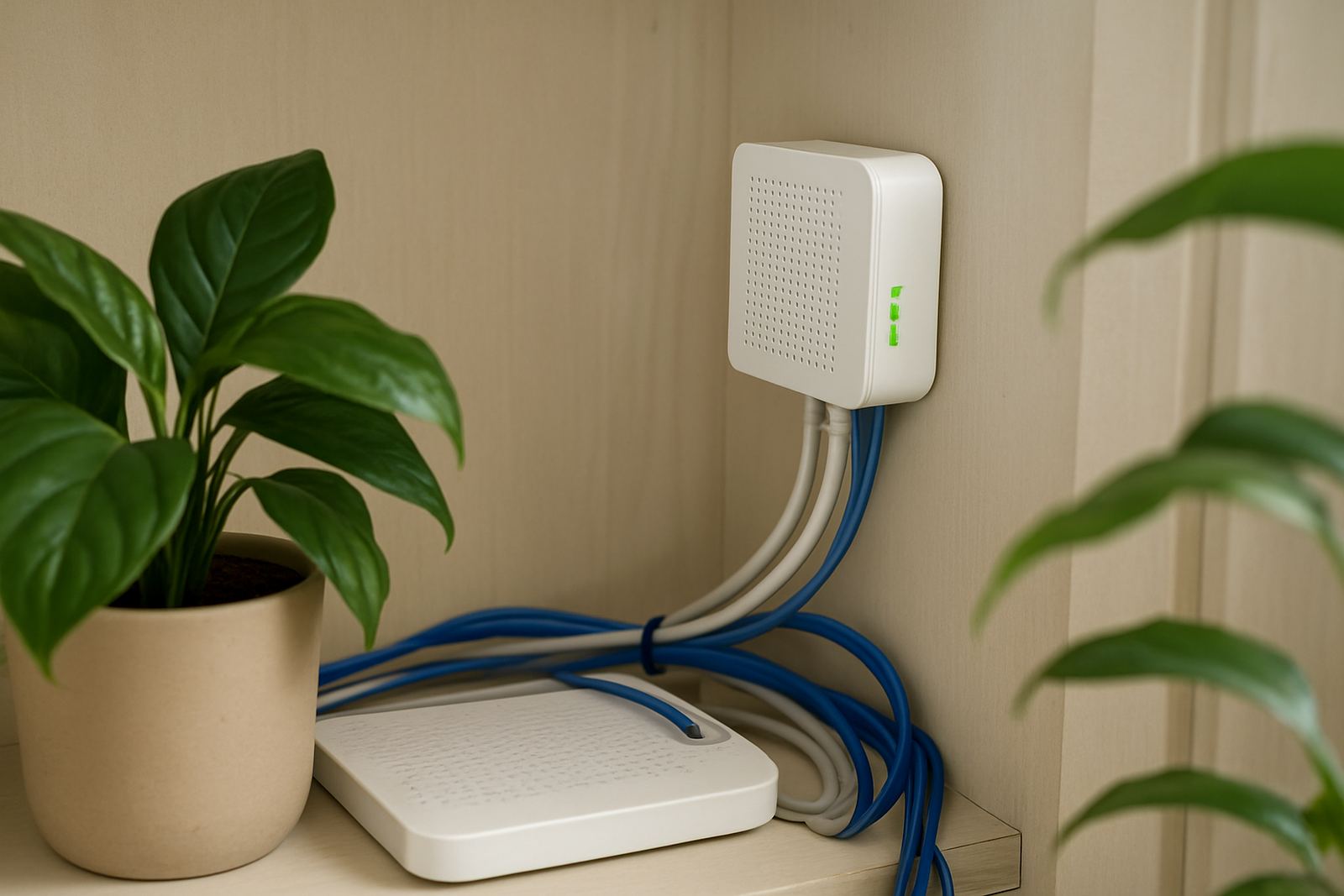
The drain tray sensor sits where condensate is most likely to collect, usually in the tray below the indoor unit or at the drain pan outlet. Its job is to monitor rising water levels and shut the system down before overflow starts. That matters in Johannesburg and Pretoria where ducted systems often run for long hours in offices, schools and larger homes, and a blocked drain can go unnoticed until the damage is already done.
Most units use a float style or probe style sensor, connected into the control circuit. When the level lifts past a safe point, the sensor interrupts operation and the air-conditioning stops. It is a small part but it protects ceilings, bulkheads and cupboards from water marks, sagging plaster and electrical faults. In a loaded system with long return runs or hidden ceiling voids, that backup protection is worth having.
- Trips the system when condensate level rises too far
- Helps prevent overflow onto ceilings and finishes
- Supports safer operation in occupied homes and offices
Sizes and sensor options we commonly supply
Drain tray sensors are not one-size-fits-all. The right choice depends on the indoor unit layout, tray depth, access in the ceiling, and whether the system is a single ducted unit or a multi zone setup. Some projects need a compact float sensor, while others work better with a low level probe and a separate relay or control interface. We also consider whether the sensor must fit inside a shallow tray or along a side wall with limited clearance.
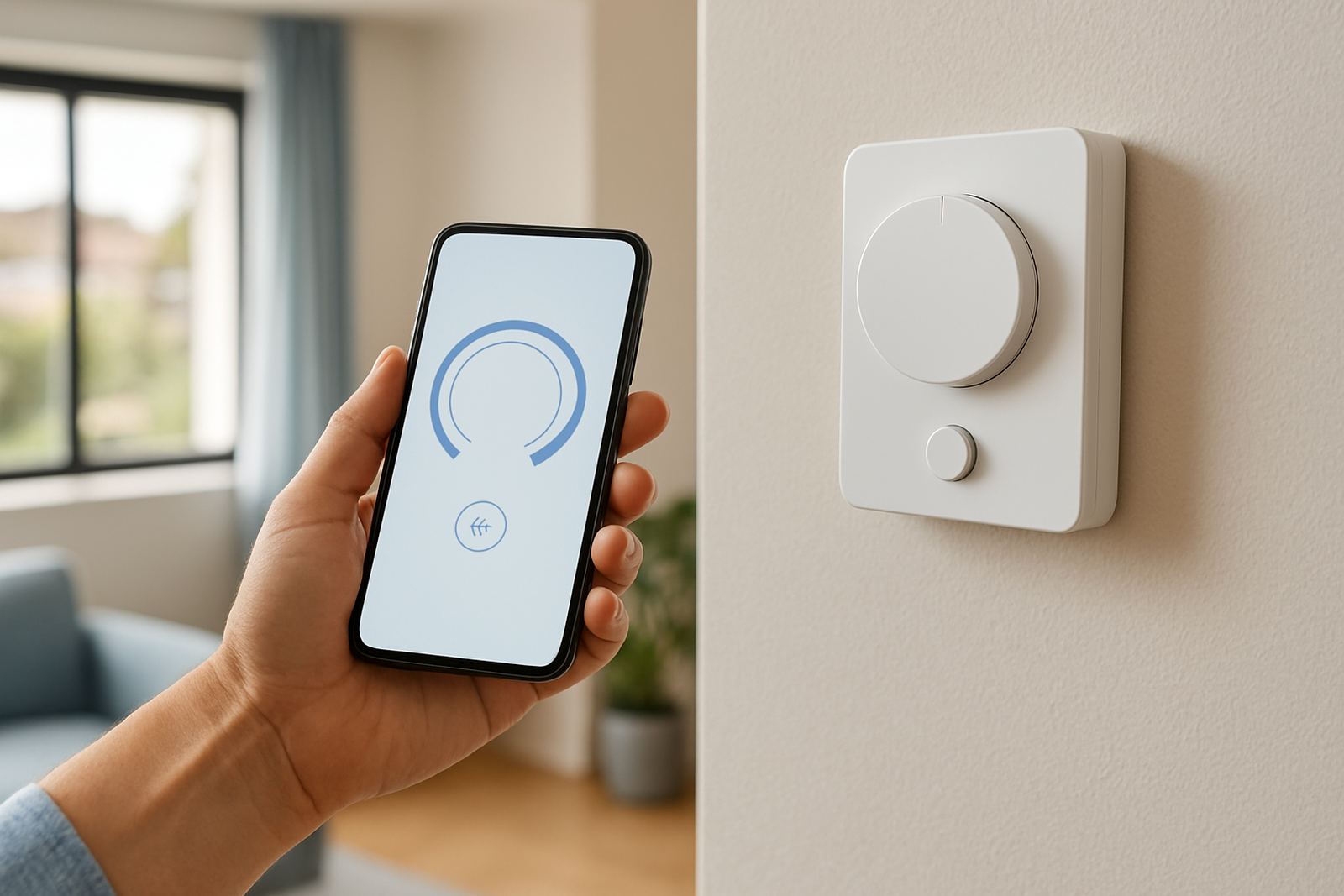
For most residential and light commercial installations, the main decision is how the sensor talks to the system. Some models provide a simple dry contact signal, others interface through a control board or safety module. If the controls are already smart thermostats with zoning dampers, the sensor can be tied into the same shutdown logic so the whole system stops before water gets to the plasterboard.
- Float sensors for visible water level shutdown
- Probe sensors for compact or low clearance trays
- Dry contact or control interface options
- Suitable for single zone and zoned ducted systems
Where this safety sensor suits best
This product suits any ducted air-conditioning installation where a hidden drain failure could cause expensive repairs. We often recommend it for new builds in Pretoria East and Centurion, as well as retrofit work in Sandton, Randburg and central Johannesburg where ceiling space is tight and the indoor unit sits above finished rooms. It is also useful in offices with long operating hours, tenant fit outs, server rooms with cooling plant nearby, and homes with bedrooms under the air handler.
Coastal humidity is not the main factor in Gauteng, but condensation still forms heavily during summer and during temperature swings. If the unit is oversized, the drain line is flat, or the ceiling access is poor, a drain tray sensor is a practical safeguard. It is especially useful where a blocked drain could affect tenants, stock rooms, or freshly painted ceilings. In short, if a leak would be a hassle to repair, the sensor earns its keep.
- Homes with ducted units above ceilings or passage bulkheads
- Offices where air-conditioning runs daily and after hours
- Projects with limited access to the drain line
- New builds and retrofits where protection is better than repair
Installation notes, power needs and control wiring
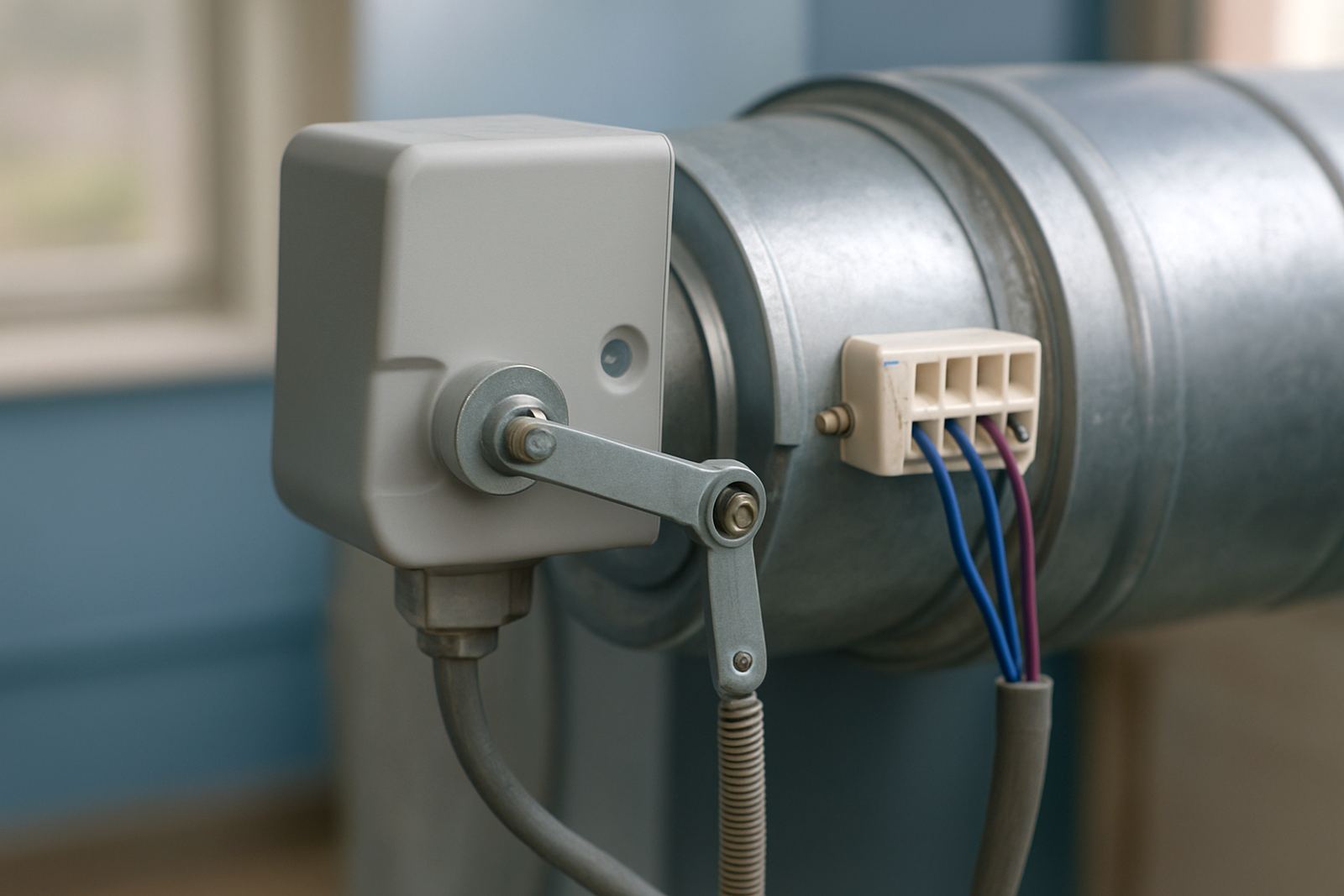
Installation should be done with the indoor unit isolated and the control circuit tested before commissioning. The sensor is usually mounted in the drain tray or drain pan, then wired back to the control board, thermostat interface, or a safety relay depending on the system design. Where a zoned ducted system is used, the shutdown point needs to stop the cooling cycle cleanly without damaging the dampers or freezing the coil. That is a detail worth getting right first time.
Most drain tray sensors draw very little power, but the actual requirement depends on the control method. Some are passive dry contact devices and need no separate supply, while others use low voltage power from the indoor unit or controls panel. We check the wiring path, tray position, drain fall and access hatch before we connect anything. If the drain line already has a pump, that pump should be tested with the sensor so the whole sequence works as intended. A rushed install can leave the sensor where it trips too late, or worse, not at all.
- Mounted in the drain tray or pan at the water collection point
- Usually integrated into low voltage control wiring
- Works with relay, thermostat or control board shutdown logic
- Must be tested with the drain line and any condensate pump
Care, cleaning and service intervals
A drain tray sensor does not need much day to day attention, but it should be checked during routine servicing. Dust, algae and sludge in the tray can affect a float sensor, and a blocked drain line can make any safety device work harder than it should. During seasonal servicing we look at the tray, clean the sensor contact points, flush the drain line and confirm the shutdown call works. It is a small service item, yet it helps avoid a bigger callout later.
If the system starts tripping often, do not just reset it and move on. Frequent trips usually point to a blocked drain, poor tray fall, a slipping condensate pump, or coil dirt making excess water. On office sites, it may also be caused by poor filtration or a return air problem. In homes, we sometimes find that ceiling insulation is pressing on the drain line and slowing flow. The sensor is only doing its job, so the cause needs to be traced and fixed.
- Check and clean during scheduled servicing
- Flush the drain line and confirm free flow
- Test the trip function after cleaning
- Investigate repeat shutdowns instead of bypassing the sensor
What to check when ordering a drain tray sensor
Before ordering, confirm the indoor unit type, tray access, control voltage and how the sensor must stop the system. If the project is a retrofit, measure the available space and note whether the drain pan has a flat section for mounting. For new build work, share the layout drawings and the ducted system design so the sensor can be placed where it will actually protect the unit. A mismatch here can mean rework on site.
It helps to have the following details ready so we can match the right sensor and wiring method to the job. If anything is unclear, our team can work from site photos, ceiling access dimensions and the model details of the indoor unit. That keeps the supply and installation straightforward, especially on tighter commercial sites where shutdown windows are short and access is limited.
- Indoor unit model and whether the system is ducted or zoned
- Drain tray depth and available mounting space
- Control voltage and shutdown method required
- Whether a condensate pump is fitted
- Location of access panels and ceiling opening size
- New build or retrofit installation
Key facts
| Product type | Condensate safety sensor for ducted air-conditioning systems |
|---|---|
| Function | Stops the system when water level in the drain tray rises too high |
| Sensor styles | Float sensor, probe sensor, dry contact interface |
| Typical use | Homes, offices, tenant spaces and retrofit ceiling installations |
| Control compatibility | Low voltage control circuits, relay input or thermostat interface |
| Installation | Mounted in the drain tray or pan and wired to the shutdown circuit |