Before the crew arrives, clear access to every work area
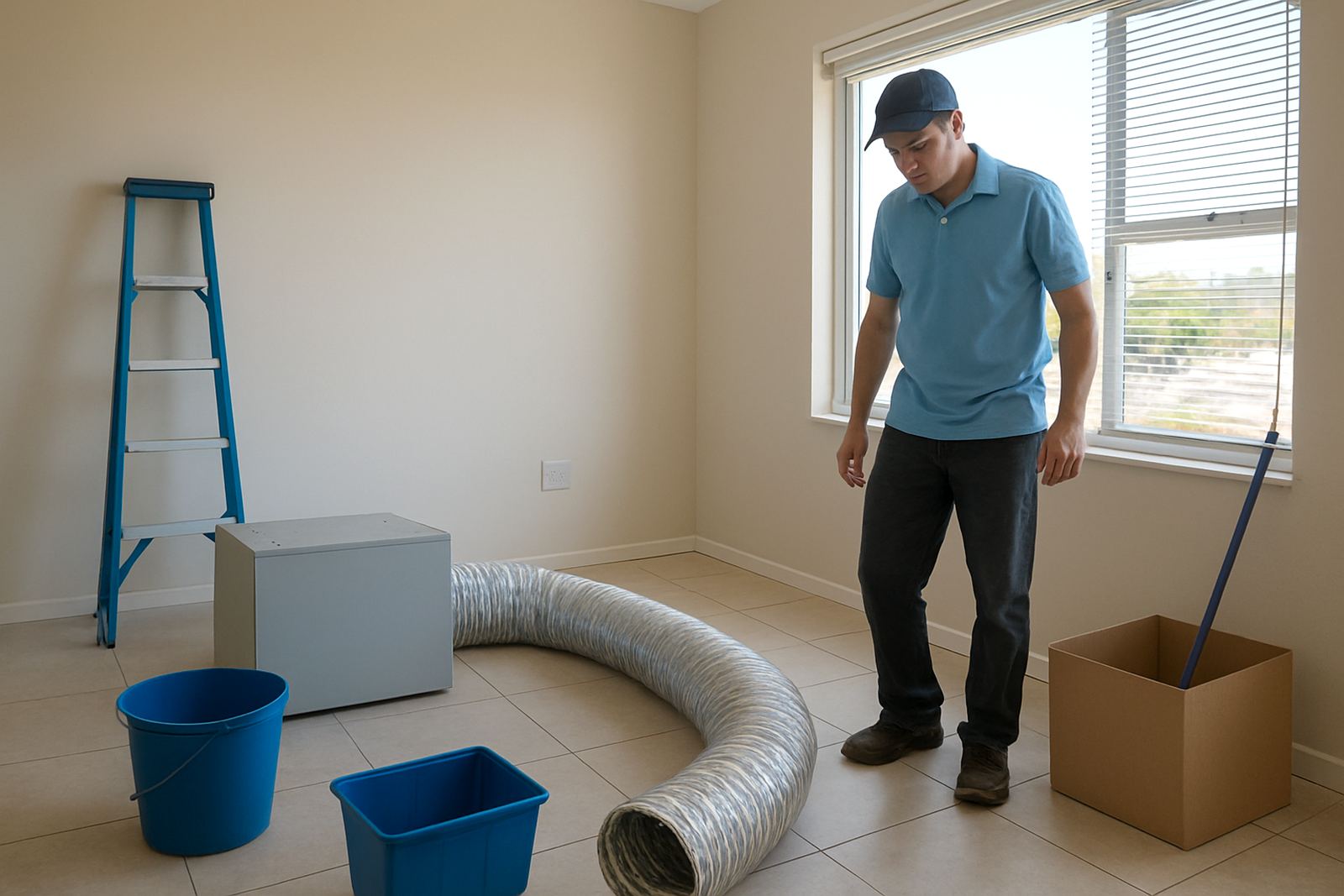
Please make sure we can move freely from the entry point to the indoor and outdoor work areas. If we are fitting ducted air-conditioning or room-by-room dampers, we may need roof access, ceiling access, wall access and space around the outdoor units or plant room. In homes around Sandton and Pretoria East, loose furniture and stored boxes often slow things down more than the actual install.
It also helps to keep pets safe and children out of the work area. Our team will be carrying tools, panels, ducting and electrical gear, so a clear path reduces delays and lowers the chance of damage.
- Move furniture away from ceilings, walls and access hatches
- Clear stairs, passages, driveways and parking spots
- Remove breakables from shelves near the work zone
- Keep gates unlocked or arrange access for the day
Check power, ceilings and roof access ahead of time
We work with electrical controls, smart thermostats and airflow systems, so reliable power is important. If there are known issues with tripping circuits, old boards or planned load-shedding around your area, tell us before installation day. That way we can plan the work sequence and avoid unnecessary stoppages.
For homes with ceiling voids, compact roof spaces or hard-to-reach plant rooms, we may need extra time to inspect the route for ducting and condensate drainage. In older properties in Randburg and central Pretoria, access panels are sometimes too small for proper servicing later, so it is worth flagging that early.
- Confirm where the distribution board is located
- Test that the main power supply is working
- Make sure ceiling access hatches can open fully
- Let us know about low roofs, tight craw spaces or weak ceilings
Have your room list and comfort priorities ready
Zoned systems work best when we know which rooms need cooling or heating and when. Before we arrive, think about how the space is used during the day and evening. A boardroom in Centurion may need different settings from a family room in Johannesburg or a private office that stays occupied only part of the week.
It helps to note rooms that overheat, rooms that stay closed, and any areas with large glass frontage, west-facing walls or high occupancy. These details affect load calculations, duct sizing and damper settings. The more specific you can be the better the end result.
- List the rooms you want included in the system
- Mark any rooms that need separate temperature control
- Tell us about sunlight, server rooms or heat-producing equipment
- Share your preferred thermostat locations if you have them
Expect measurements, small openings and a working day on site
Most installations begin with a final site check, measurements and confirmation of the route for ducts, refrigerant lines, drains and controls. Depending on the building, we may need to cut neat access openings, lift ceiling boards or open selected wall sections. We always aim to keep the work tidy and practical, but there will be dust and normal site noise.
If we are working in a live office, please let staff know which rooms may be noisy or out of use for a few hours. In homes, it is better to keep wardrobes, ceiling storage and items in the loft or roof space moved before we start. That saves time and prevents damage.
- Expect drilling, cutting and some ceiling dust
- Keep sensitive equipment covered or removed
- Allow the team space to stage materials on site
- Plan for clear communication if the building will be occupied
What we need for neat controls and reliable airflow
Airflow balancing and controls programming depend on accurate placement of dampers, thermostats and sensors. If you already know where your preferred control points are, have that information ready. If not, we will advise on the best positions to get proper room-by-room control without drafts or false readings.
We also check drainage falls, insulation and return air paths so the system performs properly in summer heat and during humid coastal spells that sometimes reach Johannesburg and Pretoria through weather changes. Good prep makes these checks faster and helps avoid call-backs later on.
- Keep the thermostat wall area free of artwork and shelving
- Leave access to any existing ducts, grilles or vents
- Tell us about special finishes that need extra care
- Point out any areas with moisture stains or previous leaks
After installation, give the system a proper first run
Once the installation is complete, we test the system, balance the air and program the controls. Please allow time for this final check because it is an important part of the job. We will show you how to use the thermostats, set zones and understand the basic service needs for the system.
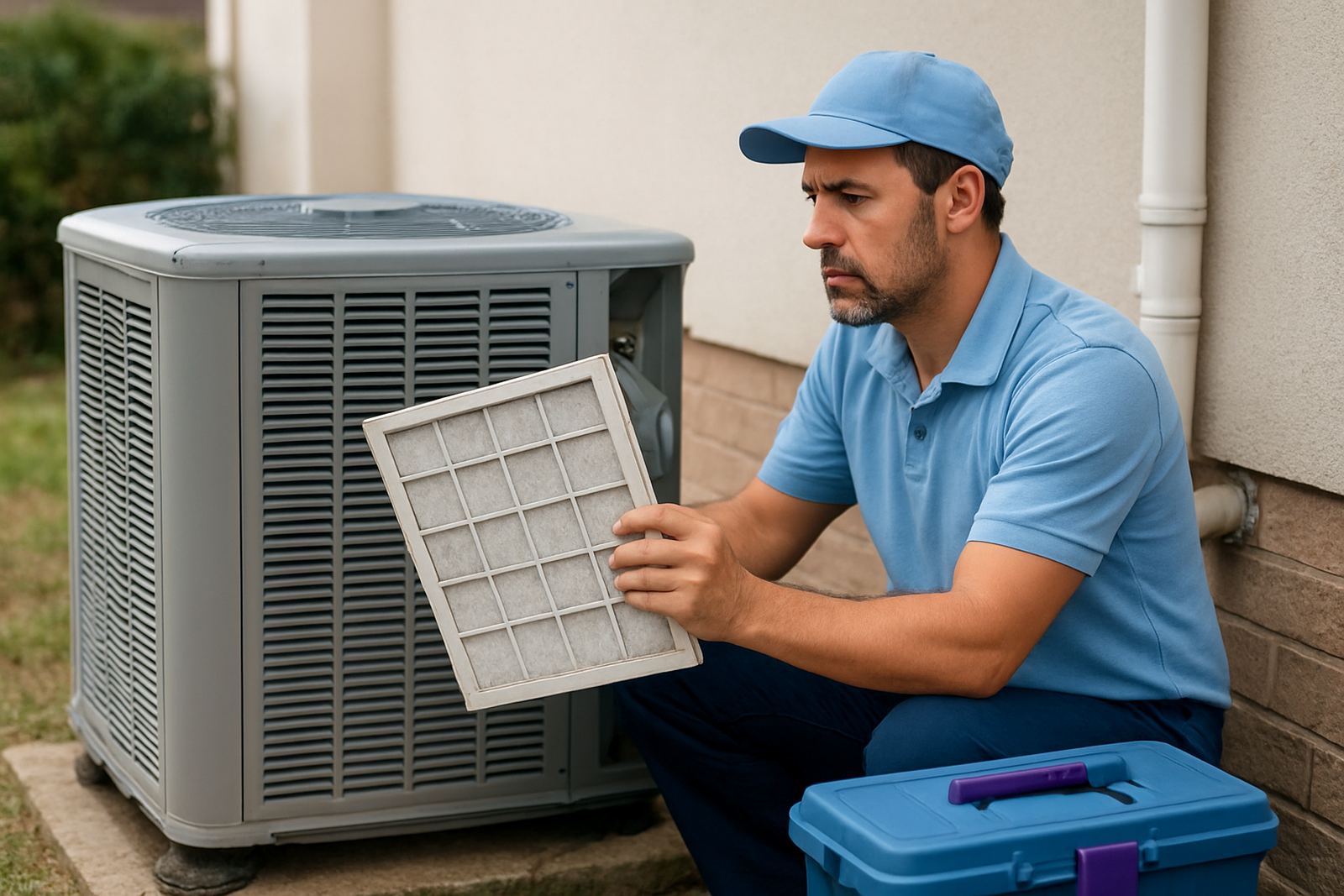
If the property is in a dusty area or near construction, regular filter checks become more important. Seasonal servicing also helps keep the airflow right and protects the equipment from avoidable wear. For offices and homes in Johannesburg, Pretoria, Sandton, Randburg or Centurion, that kind of upkeep makes a real difference over summer.
- Keep the installation manual and handover notes in a safe place
- Ask how often filters should be cleaned or replaced
- Confirm who to call if a zone is not responding as expected
- Book seasonal servicing before peak summer use