Why ducted heating works well in Highveld winter
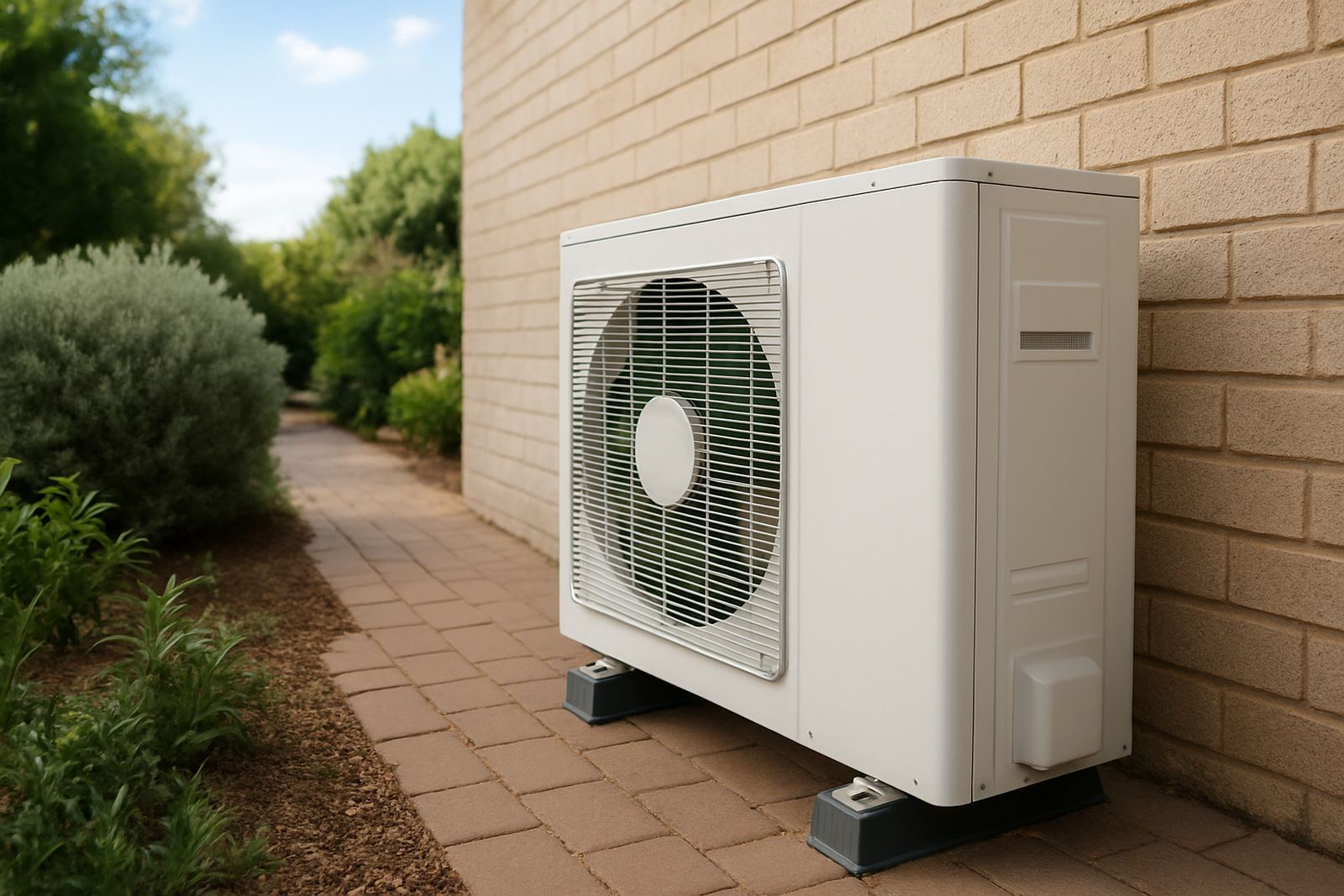
Winter in Johannesburg and Pretoria can be colder than many people expect, especially in the early mornings and at night. A ducted heat pump moves heat into the building rather than making heat from scratch, so it can warm bedrooms, living areas and offices without the heavy power draw of old style electric heaters. For homes with several rooms, that matters when the Eskom bill must still make sense.
The main benefit is that the same ducted system used for summer cooling can provide winter heating through the existing ceiling or roof space. When the airflow is set correctly, the temperature is more even and there is less hot and cold patching from room to room. In a Pretoria East townhouse or a Sandton family home, that means the people in the lounge are not overheated while the bedrooms stay chilly.
How zoning gives each room its own winter setting
With a zoned ducted system, motorised dampers direct warm air only where it is needed. That lets you warm the main bedroom in the morning, keep the spare room off during the week, and run the living area later in the day. It is a practical way to avoid heating the whole house when only part of it is occupied.
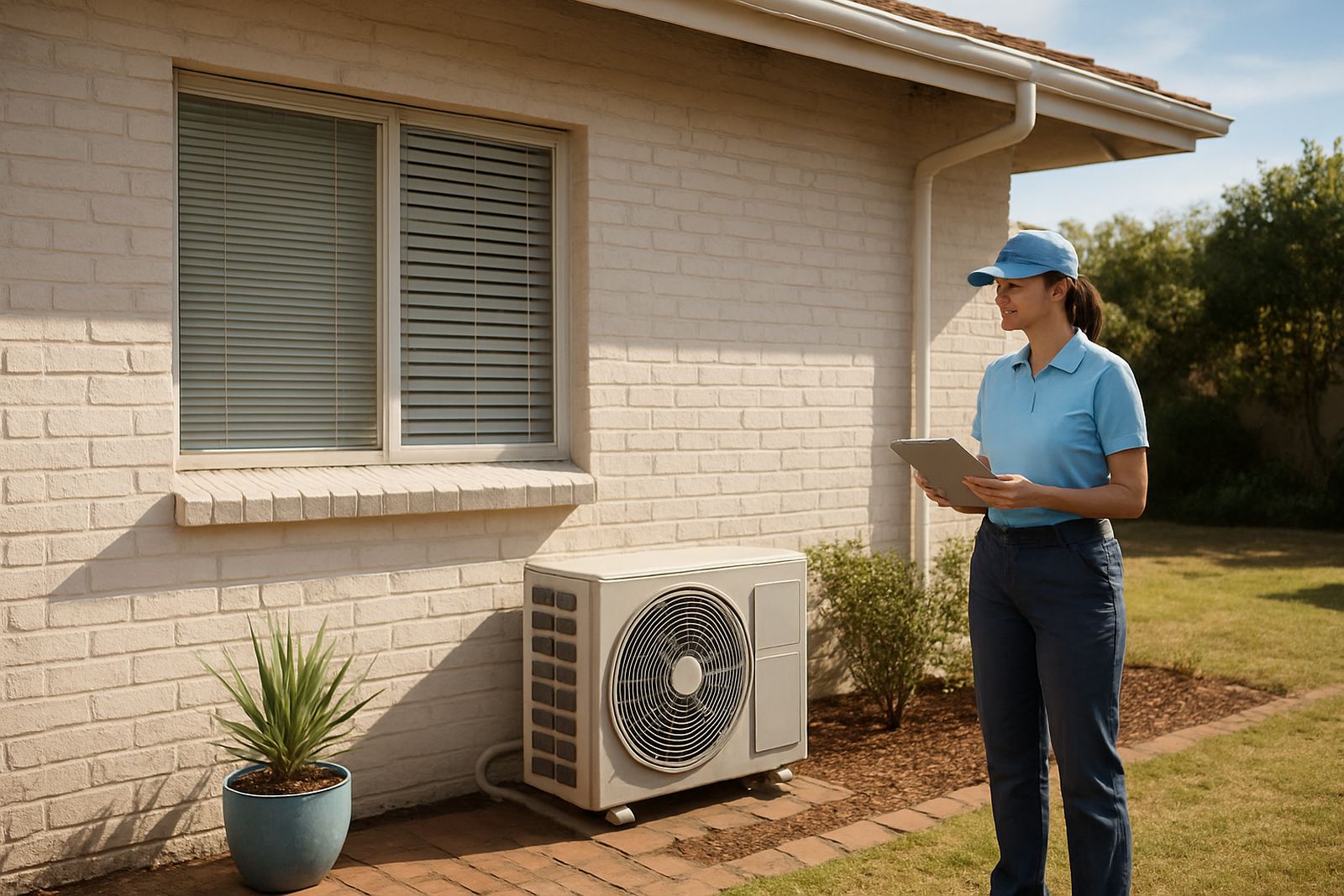
Good zoning depends on proper design. The duct sizes, return air, thermostat positions and damper layout all need to be matched to the building. If a room is too small for the heater load, or the duct run is too long, the system will struggle. That is why site assessments and load calculations are worth doing before any installation or upgrade.
- Heat only the rooms in use, which cuts wasted power
- Set different temperatures for bedrooms and living spaces
- Reduce the need for plug in heaters in each room
- Keep airflow balanced so one zone does not hog the system
What a good winter setup should include
A useful winter system is not just about the unit itself. It must be set up to handle colder mornings, closed windows and the way people actually use the building. Smart thermostats allow set back temperatures at night, while airflow balancing keeps each zone working within its proper range. Without that work, one room can get too warm while another still feels cold.
In offices, winter heating often needs a different approach to homes. Meeting rooms, open plan areas and private offices all have different use patterns, so controls programming becomes important. A zone serving a west facing office in Sandton may need less heating than a shaded internal space in Randburg, even though both sit under the same ceiling.
- Correct heat pump sizing for winter conditions
- Room by room dampers with clear zoning logic
- Smart thermostats that are easy to use
- Balanced ductwork to prevent weak airflow
- Seasonal servicing before the cold weather starts
A Pretoria example: heating a family home without overdoing it
Consider a family home in Pretoria East with four bedrooms, a lounge, kitchen and study. In winter, the family may only need real heating in the main bedroom at night, the lounge in the evening, and the study for a few hours during the day. A zoned ducted system lets those areas run on different schedules, so the rest of the house is not pulled along for no reason.
On a cold Sunday morning, the main bedroom and bathroom zone can warm up first. Later, once the family moves to the lounge, that zone can take over while the bedrooms settle back. It is a simple idea but it makes a big difference to comfort and running costs, especially when the power supply is being managed carefully.
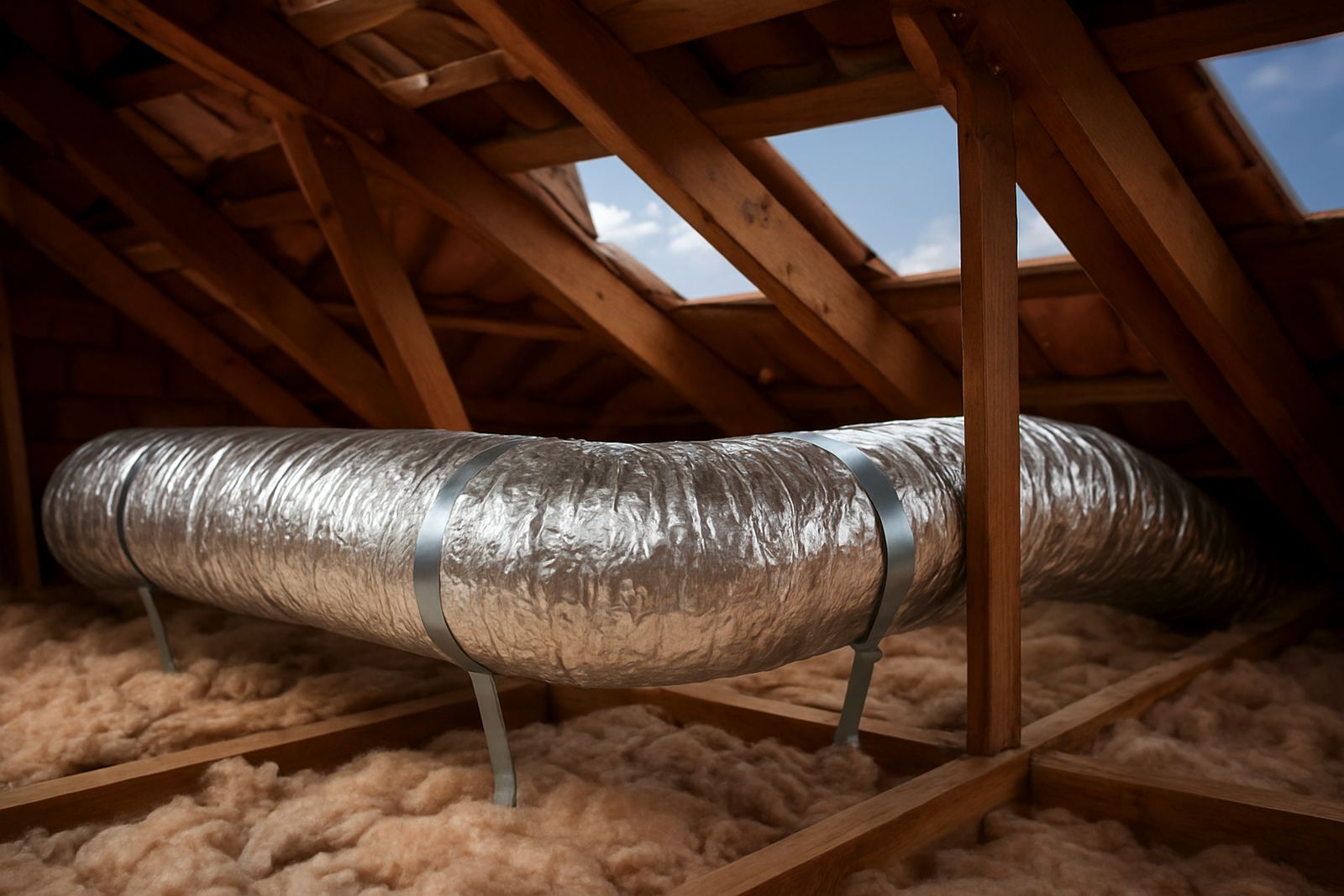
For homes near the edge of the city where winter wind and roof spaces can make a building feel colder, good insulation and sealed ducting are just as important as the heat pump itself. If the ducts leak warm air into the ceiling, the system works harder and the rooms still feel uneven.
Common winter faults and how to avoid them
When a ducted system is not heating properly, the problem is often not the compressor alone. Dirty filters, poor airflow, stuck dampers, weak thermostat settings and low refrigerant charge can all reduce comfort. In some homes the system was designed for cooling only, so the heating side is simply not set up to perform well in winter.
Seasonal servicing helps catch these issues early. It is also worth checking the controls before the first cold snap, because many households only discover a fault when temperatures drop. That can mean unnecessary callouts and a few very uncomfortable nights.
- Test zone dampers before winter starts
- Clean filters and check supply grilles
- Confirm thermostat schedules and set points
- Inspect ducts for leaks or loose joints
- Verify airflow and refrigerant performance
Getting winter comfort right in Johannesburg and Pretoria
Winter heating with ducted air-conditioning works best when the system is designed for the building, not just fitted to it. In Johannesburg, Pretoria, Centurion and the surrounding suburbs, that means paying attention to room sizes, sun exposure, ceiling space and the way families or staff use each area. A well planned zoned system can give warm rooms where you need them and lower costs where you do not.
For new builds, the planning is easier because the duct routes, return air and dampers can be built in from the start. For retrofits, careful design matters even more. Some homes need upgraded ducting, others need control changes, and some only need airflow balancing and a better thermostat layout. The right answer depends on the building, not a one size fits all approach.
When winter arrives, a ducted heat pump should feel quiet, steady and practical. If you can move from a cold bedroom to a warm lounge without fiddling with plug in heaters, the system is doing its job. That is the kind of comfort most people want, and it can be delivered without wasting power.