Why uninsulated ducts waste comfort before the air reaches the room
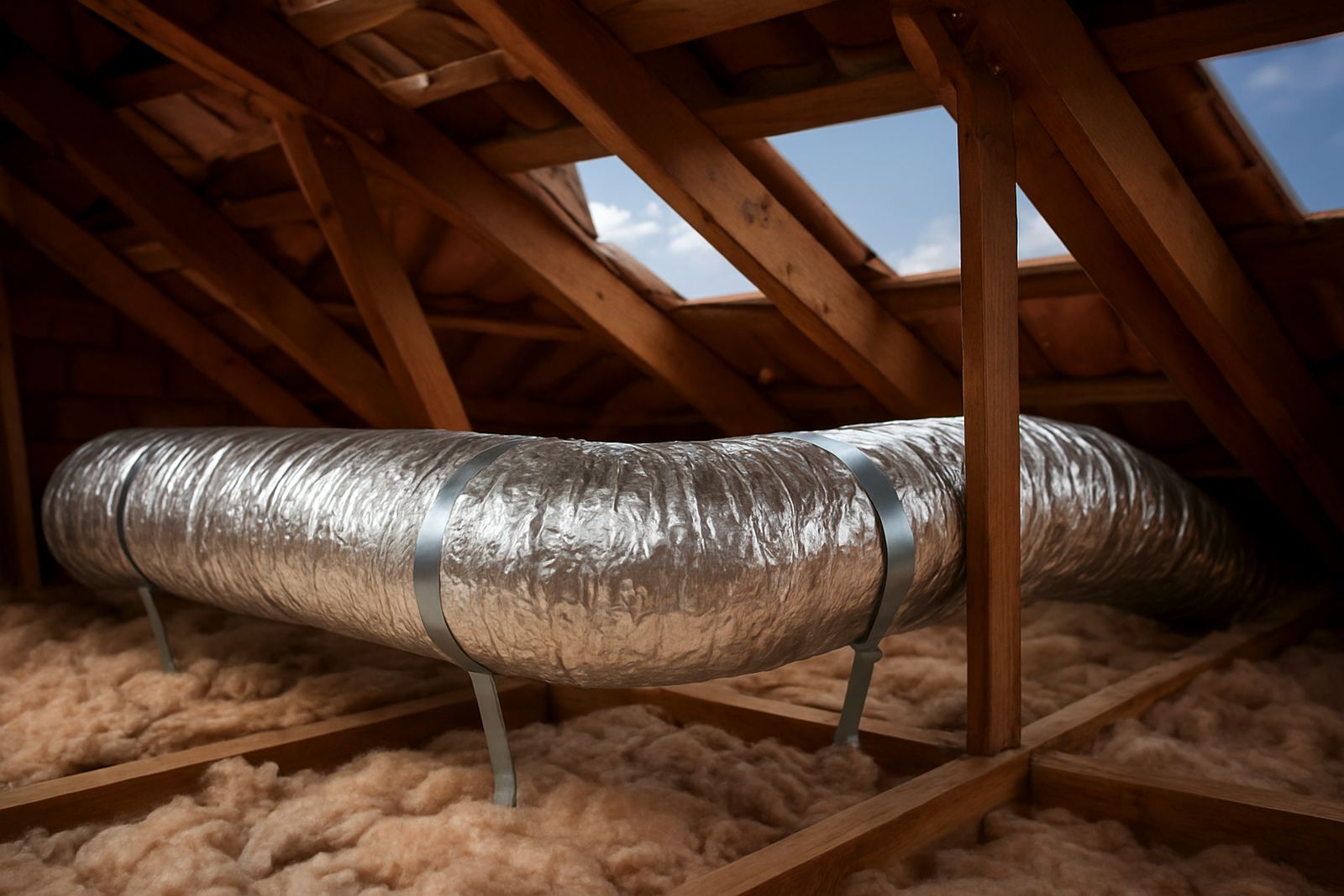
When ductwork runs through a hot ceiling void or a cold roof space, the air inside the ducts starts changing temperature before it arrives at the supply grille. That means a living room that should feel cool may only get lukewarm air, or an office that should warm up in the morning stays patchy and slow to respond. The system then runs longer, draws more power and still leaves people fiddling with thermostats.
In many homes and offices around Sandton, Centurion and Pretoria East, the duct route is longer than people think. Every metre of exposed duct gives heat a chance to move in or out. Insulation slows that transfer, which helps the air arriving at the room stay closer to the temperature the system was set for.
- Less temperature drop on long duct runs
- Better room-by-room control from the thermostat
- Shorter run times for the air-conditioning system
The condensation problem most owners only notice after damage starts
Insulation is just as important for moisture control. In humid weather, or on a damp winter morning in Johannesburg, cold ducts can form condensation on the outside. If the insulation is thin, damaged or badly joined, that moisture can drip onto ceiling boards, timber trusses and stored items in the roof. Over time it can stain ceilings, encourage mould and cause the ducting to rust.
This comes up often in older retrofits where the system was added later and the ducts were tucked into the roof without proper wrap or sealed joins. The air may still move, but the roof space becomes part of the problem instead of part of the solution. A proper insulation spec helps keep the outside of the duct above dew point for longer, which lowers the risk of sweating.
- Reduces water forming on cold supply ducts
- Helps protect plasterboard, insulation and roof timbers
- Limits mould growth in enclosed ceiling spaces
What good duct insulation looks like on site
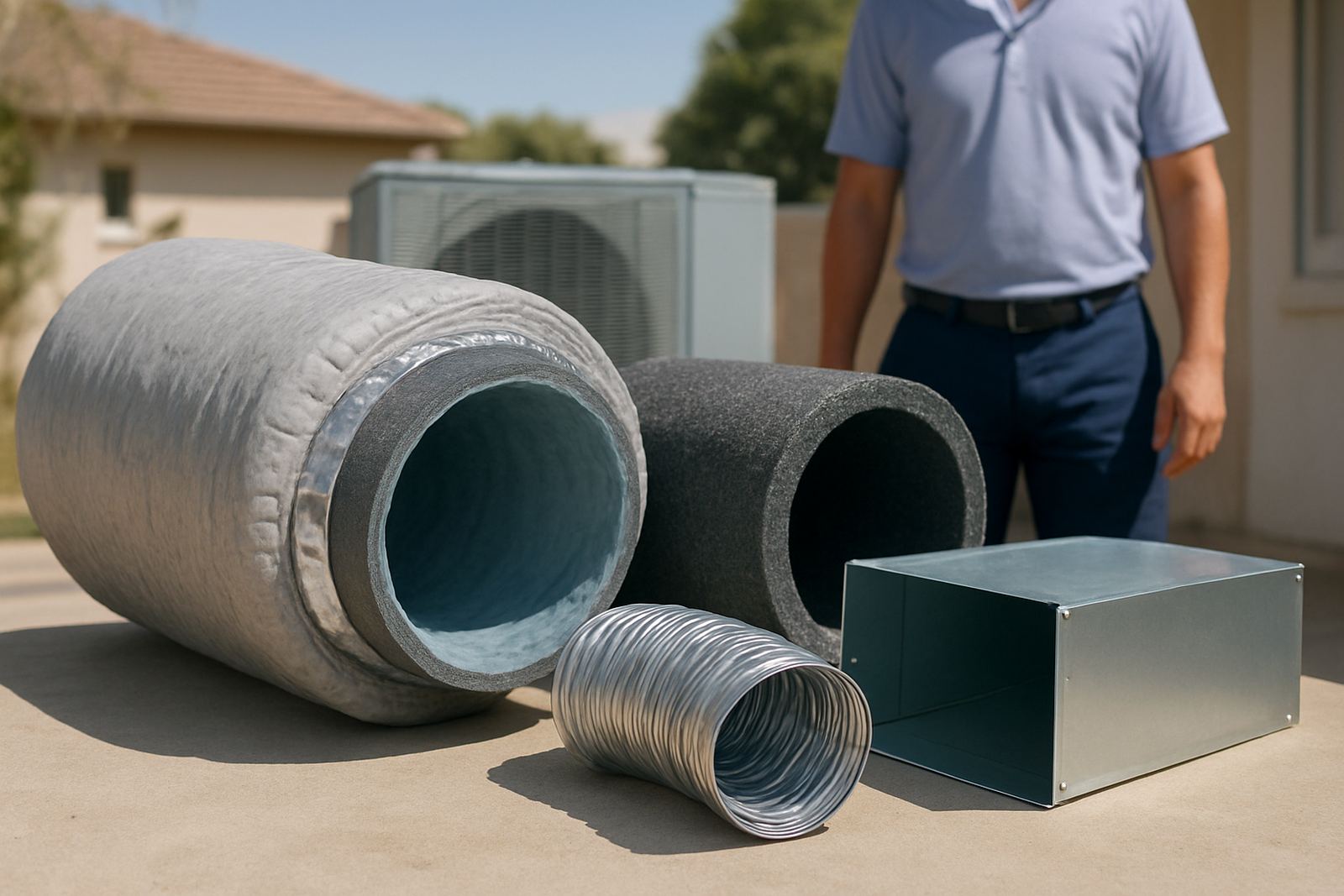
The right insulation value depends on where the duct sits, the system temperature and whether the run is in a roof space, bulkhead or conditioned area. In practice, the product must do more than look neat. It must hold its thickness, cover the full duct surface, and stay sealed at joints, corners and branch take-offs. If there are gaps, the heat will use them.
On site, we look at both the insulation material and the installation quality. A thick layer with open joints can perform worse than a slightly thinner layer that is properly fitted. The same applies where flexible duct is kinked or crushed by ceiling access, roof movement or careless storage in the loft.
- Full coverage with no exposed metal sections
- Taped and sealed joins at all joints and bends
- No crushing, tearing or sagging in roof spaces
Why duct insulation matters even more during load-shedding and heat spikes
In South Africa, load-shedding and heat spikes make every hour of system use count. When the power comes back on, owners want rooms to recover quickly. Insulated ductwork helps the air do its job faster, so the system is not wasting energy cooling the roof space first. That matters in family homes in Randburg as much as it does in an office block in Pretoria where staff are waiting for meeting rooms to cool down.
Insulation also supports systems that cycle on and off more often. If the air temperature is already being lost in the roof, the equipment has to work harder each time it starts. Over months, that can mean extra strain on fans, compressors and controls. Good insulation does not replace correct sizing or airflow balancing, but it supports both.
- Helps rooms recover faster after power interruptions
- Reduces wasted cooling or heating in roof spaces
- Supports better performance from zoned systems and smart thermostats
A Pretoria East example: one roof space, two very different outcomes
We recently looked at a retrofit in Pretoria East where the owner complained that the upstairs bedrooms were never quite comfortable. The system had room-by-room dampers and smart controls, but the ducting in the roof had thin, patchy insulation and several open joins. In the afternoons the roof became hot, then after sunset the ceiling space cooled fast. The rooms were getting air that had already lost condition before it reached the grilles.
After the duct insulation was corrected and the airflow rebalanced, the bedrooms held temperature better and the system stopped running for long periods just to catch up. The owner also noticed less dust movement from the roof void because the ducts were no longer pulling in unwanted air through gaps. It was not a fancy fix, just careful work done properly.
That is often the case with duct insulation. It is easy to overlook because it sits above the ceiling, but it affects how the entire system performs below it.
What to check before you upgrade or service ductwork
If you are planning a new installation, a retrofit, or seasonal servicing, it is worth checking the duct insulation while the ceilings or access panels are open. In Johannesburg and Pretoria, the combination of hot roof spaces, summer storms and winter mornings can expose weak points quickly. A proper inspection should look at more than the thermostat reading.
Before signing off the work, ask for a check on the following:
- Insulation thickness and condition across all main runs
- Sealing at joints, branch connections and flexible take-offs
- Any signs of condensation, staining or rust on nearby surfaces
- Airflow balance at the rooms, not just at the plant
- Whether the duct route passes through a hotter or colder zone than expected
If there are hot spots, damp marks or rooms that never quite behave, the duct insulation may be only part of the issue, but it is often a very good place to start. Good design, correct installation and regular servicing all work together, and so does a ceiling space that is properly insulated.