Why empty offices still burn power after 5pm
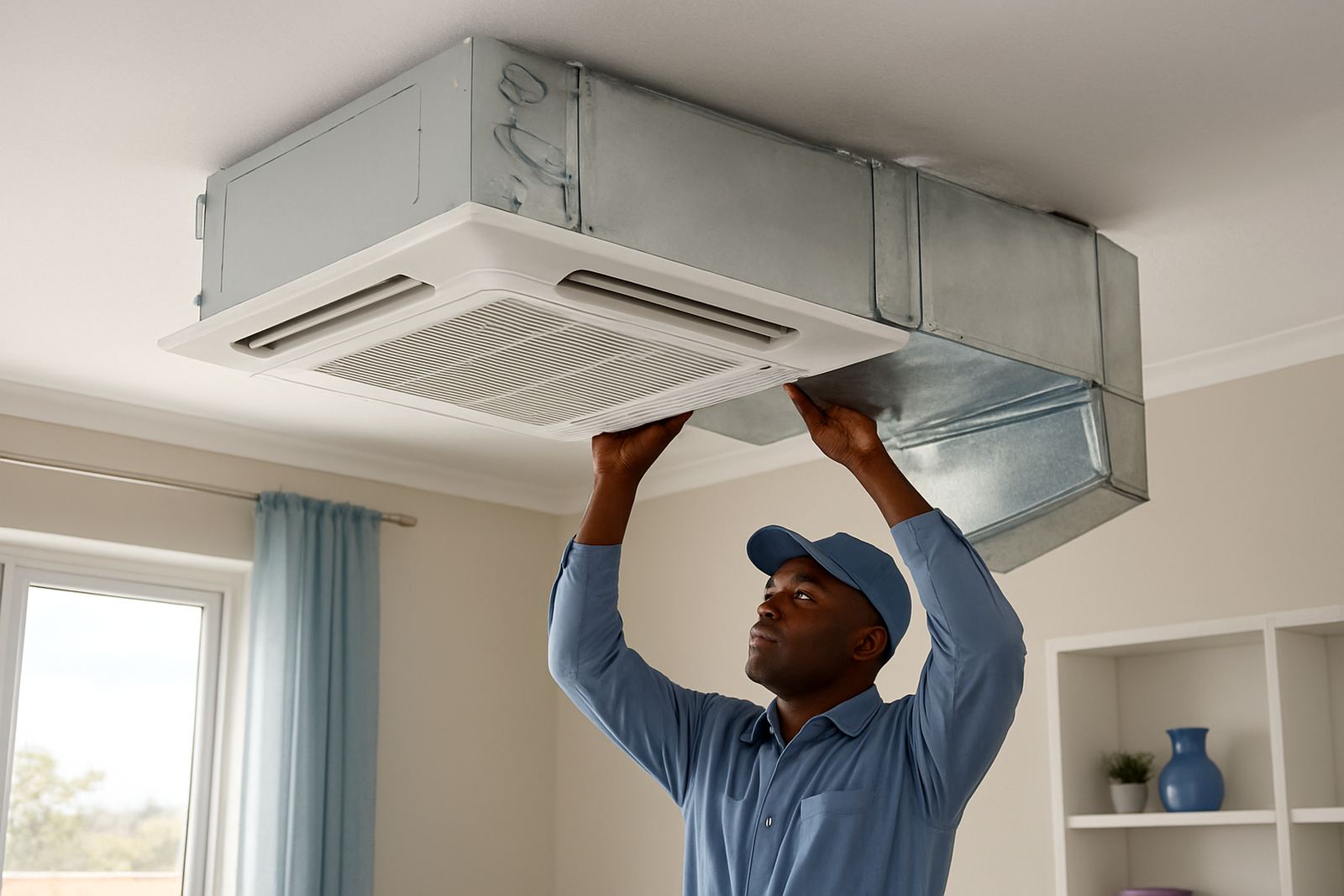
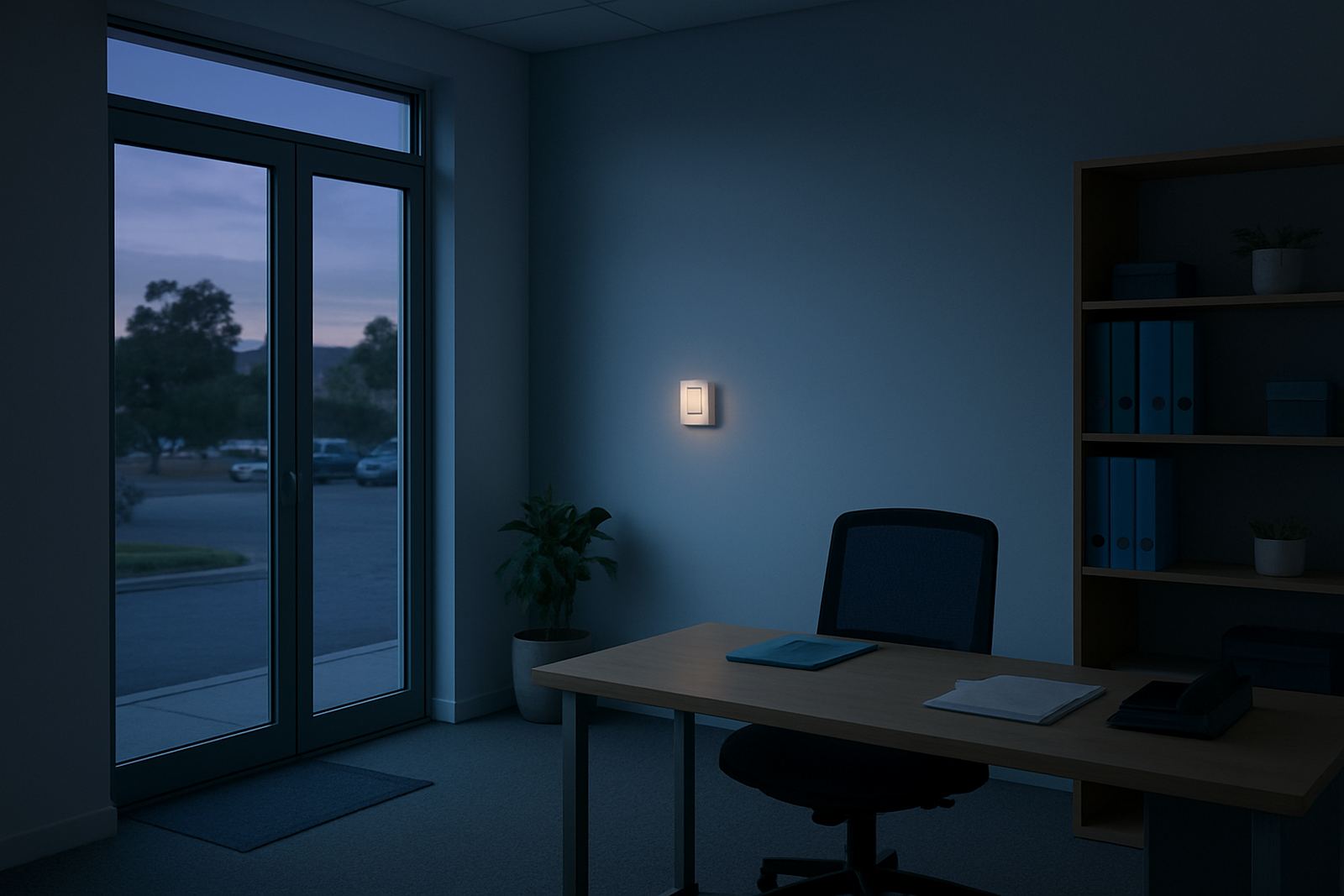
In many offices the air-conditioning keeps running long after staff have gone home. Meeting rooms, open-plan areas and boardrooms are often left at the same temperature setting as during business hours, even when nobody is there to use them. That means the plant keeps working against heat gain from glass, roofs and equipment for no real benefit.
In Gauteng, especially in Sandton, Randburg and Centurion, offices often run from early morning to late afternoon. After that, a timer or smart schedule can ease the system back instead of shutting it off completely. The idea is simple, reduce unnecessary cooling while still protecting the building from heat build-up and making start-up easier the next morning.
- Shorter run times mean less wear on compressors and fans
- Stable night settings help avoid a hot, stuffy office at 7am
- Lower after-hours use can reduce monthly electricity costs
How timed schedules work in a zoned system
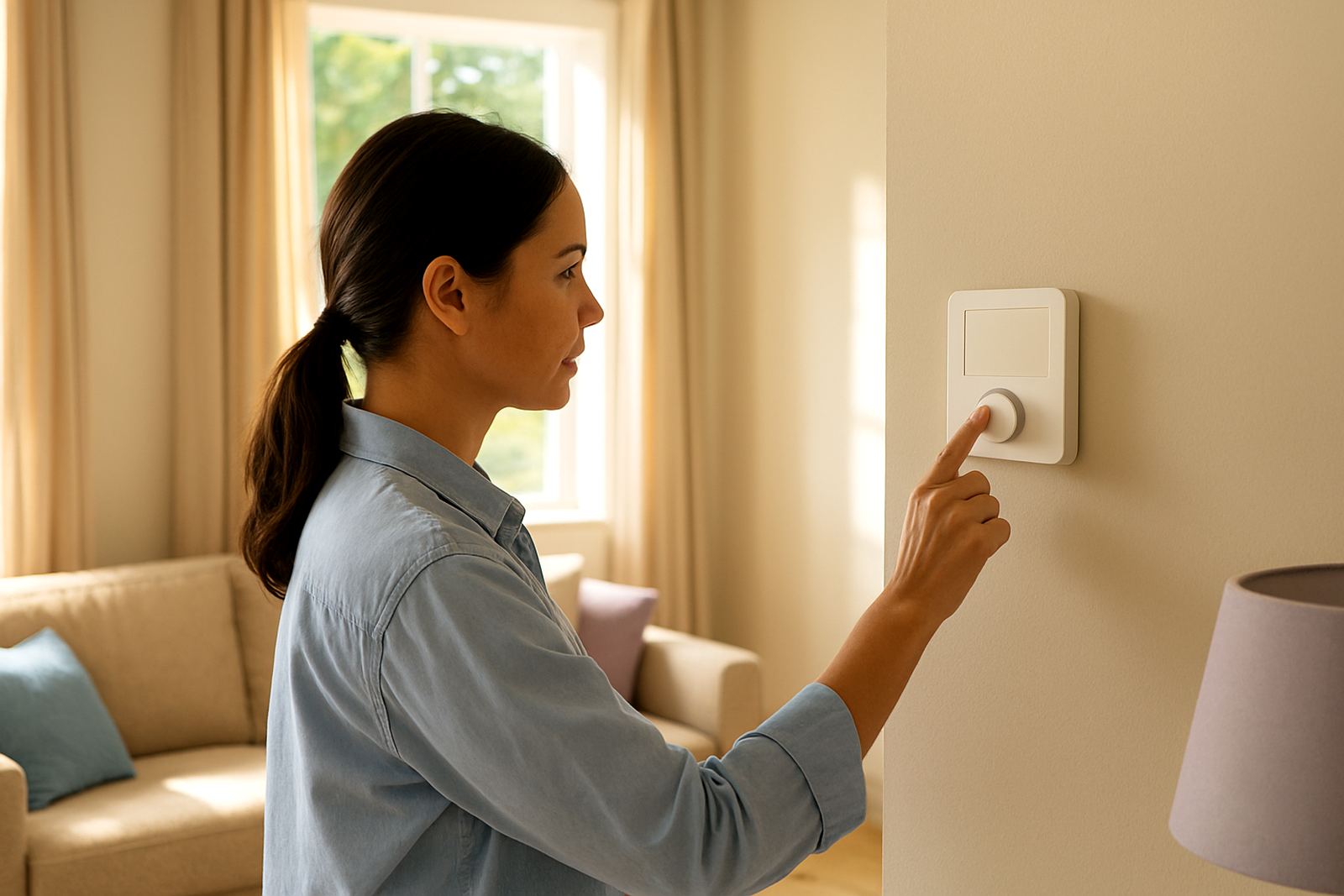
With zoned ducted air-conditioning, each area can be controlled separately through dampers and a central thermostat schedule. That allows reception, offices, server rooms and boardrooms to follow different after-hours rules. A boardroom used twice a week does not need the same evening setting as a server cupboard or records room.
Good controls let you set occupied and unoccupied periods for weekdays, weekends and public holidays. If your team works late on a Tuesday or the office closes early before a long weekend, the schedule can be adjusted quickly. For bigger premises in Pretoria East or Johannesburg CBD, this is far better than asking someone to walk around and switch units off one by one.
- Occupied mode keeps comfort stable during working hours
- After-hours mode raises or lowers setpoints to reduce energy use
- Holiday mode can hold the building at a safe minimum
What to keep running after staff leave
Not every area should be treated the same after hours. Some rooms need controlled conditioning for equipment, documents or humidity reasons. In coastal areas this matters even more, but inland offices in Johannesburg and Pretoria also benefit from careful night control, particularly in buildings with sensitive IT or archives.
A practical after-hours plan usually separates comfort areas from critical spaces. The aim is not to overcool the whole office, but to keep the right zones at the right condition. That helps avoid mould risk in closed rooms and reduces complaints about stale air the next morning. It also makes better use of the system you already have.
- Server rooms may need continuous temperature control
- Archive rooms may need tighter humidity management
- General offices can usually drift to a wider night setpoint
A Johannesburg example from a mixed-use office floor
Take a multi-tenant office in Sandton with a reception area, a small boardroom and a larger open-plan floor. During the day, the floor sees regular movement and sun load from the west side glazing. After 5pm, only cleaners and a few late staff remain, yet the full system often keeps operating as if the office were still full.
By setting the zoned system to reduce cooling in the open-plan area after hours, while keeping the boardroom and server nook on a tighter schedule, the building manager can cut waste without upsetting late users. The next morning, the office does not start from a hot and clammy state because the building never drifted too far overnight, just enough to save power.
This kind of control is especially useful when load shedding or utility interruptions interrupt normal routines. A proper restart plan can prevent a full system from coming back on at once and overloading the building supply.
Scheduling rules that make a real difference
Office after-hours control works best when the schedule matches the way people actually use the building. A standard 8 to 5 programme is not always enough, because cleaners, security teams, early starters and late meetings all affect what the system needs to do. Small adjustments often save more than people expect.
When we set up or review controls, we look at occupancy patterns, sun exposure, insulation, zoning and the room types in the building. We also check whether the thermostats are being overridden too often, because a schedule that nobody trusts usually gets bypassed. Once the settings reflect the real routine, the system starts behaving properly and there are fewer call-outs.
- Use different schedules for weekdays and weekends
- Allow a short extension for late meetings, not all-night running
- Keep minimum settings realistic so the system can recover in the morning
- Review setpoints seasonally, especially before summer and winter
Designing controls for offices in Gauteng conditions
Johannesburg and Pretoria offices deal with dry winter air, hot summer afternoons and large daily temperature swings. That means after-hours settings should be tuned for local conditions, not copied from another building. A good design also needs to consider glazing, roof space, meeting room use and whether the plant is serving one floor or several.
At Airzone, we handle site assessments, system design, load calculations, controls programming, airflow balancing and seasonal servicing for offices across Johannesburg, Sandton, Randburg, Pretoria, Centurion and Pretoria East. For a retrofit or new build, the right controls should be easy for facilities staff to manage and clear enough that users know what to expect. If the building is a bit old or the ducts are not balanced properly, the schedule alone will not fix it, but it will still help a lot.
- Review duct zoning before changing the thermostat strategy
- Balance airflow so one zone does not overcool while another struggles
- Test the schedule after installation and again in peak summer