When the setpoint is reached nowhere near the real comfort level
An undercapacity system often looks busy but never gets the job done. The compressor runs for long stretches, the supply air feels cool enough at the grille, yet the room stays warmer than it should. That is a common complaint in open-plan lounges, upstairs bedrooms and small boardrooms with more people than the original design allowed for.
In practical terms, the unit is trying to pull down a heat load it was never sized for. South-facing rooms with good insulation can still struggle if the glazing is large, while west-facing rooms in Sandton or Pretoria East can be a different story by mid-afternoon. The system just keeps going, but the temperature drift remains.
- Long run times with little or no shut-off
- Rooms that only feel comfortable in the early morning
- Thermostat readings that look fine while people still feel warm
Uneven rooms are a warning, not just a comfort complaint
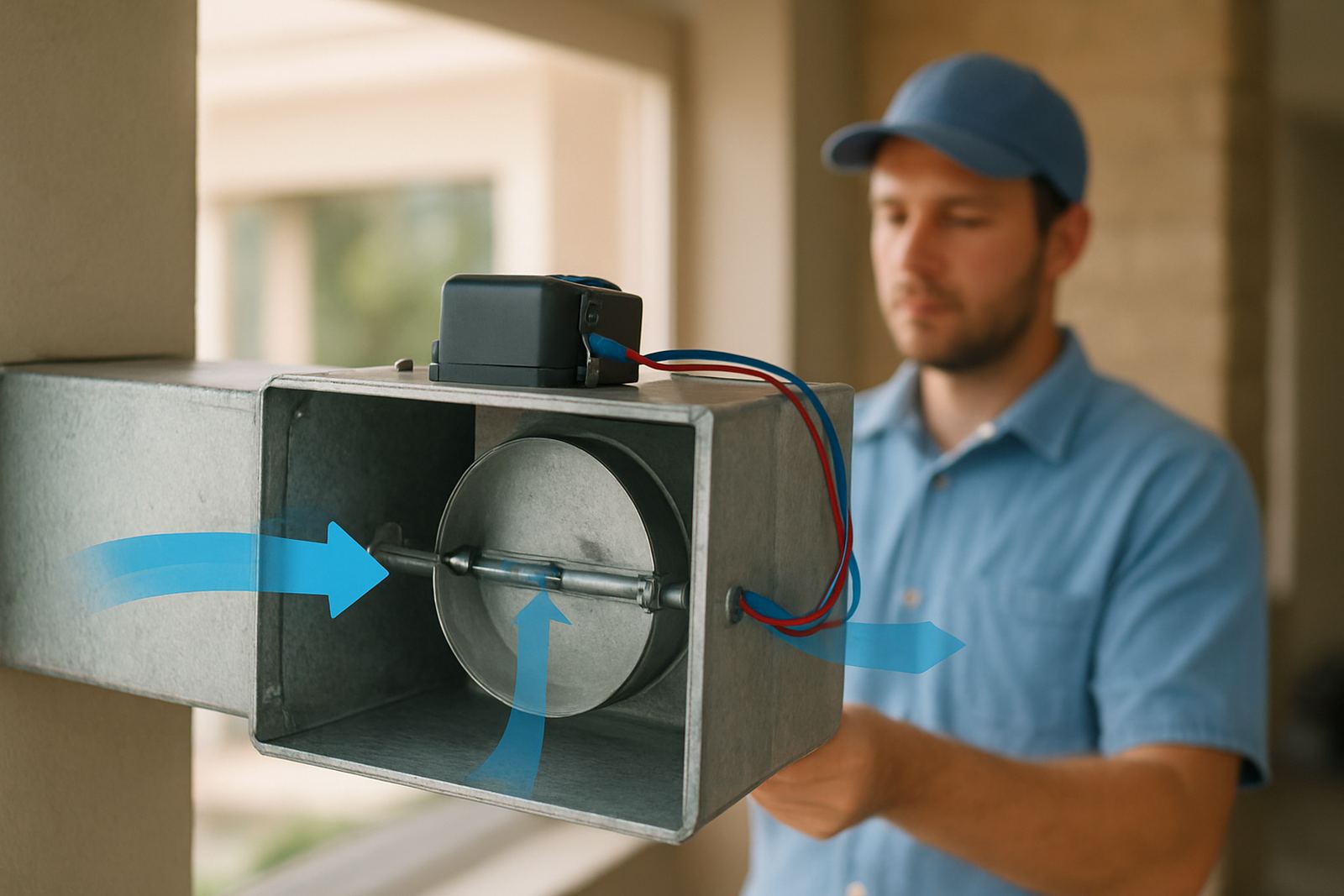
One of the clearest signs of undercapacity is a home or office where some areas are fine and others never settle. A main bedroom may cool down, while the passage and adjoining study stay stuffy. In a zoned ducted system, this can mean the dampers are opening correctly but the plant does not have enough spare capacity to satisfy all zones at once.
We see this often in older offices in Johannesburg where rooms have been repurposed over time. A meeting room becomes a server room, or a reception area gets enclosed with glass, and the original calculations no longer match the real use. By the time staff start opening doors to borrow cool air from the next room, the system is already under pressure.
- One zone feels acceptable, another never cools down
- People start closing vents or opening doors to compensate
- Some rooms become humid even when others feel cold
Long running times and high bills usually come before breakdowns
Owners often notice the electricity first. An undercapacity system may not fail outright, but it runs harder and longer than it should, which shows up on the account. In winter this can be masked a bit, but in summer the strain becomes obvious, especially when the office is full or the house has afternoon sun on multiple sides.
On top of that, the equipment wears faster. Fans, compressors and control gear spend more time under load, and after a few seasons the result can be nuisance trips, weak airflow and repeated service calls. During load-shedding, a marginal system can struggle even more when it restarts into a warm building and has to recover from scratch.
- Monthly usage rises after a change in occupancy or layout
- The unit runs almost continuously on hot days
- Small faults keep returning because the system never gets a proper break
What makes a system fall short in Johannesburg and Pretoria
Undercapacity is not always about the machine being too small in isolation. Sometimes the original load calculation was based on the wrong assumptions. Extra glazing, poor roof insulation, unshaded western walls, and more people in the space than planned can all push demand beyond the available cooling. Even ceiling void restrictions and undersized ductwork can limit what the system can deliver.
In Pretoria East we have seen homes where a neat ducted installation still struggled because the upstairs rooms were added later and the airflow path was never updated. In Sandton, boardrooms often become hotter than expected because of equipment, lighting and scheduled occupancy. The plant may be healthy, but the total load is simply too high for the capacity on site.
That is why a proper site assessment and load calculation matter before deciding whether to repair, upgrade or rework the controls. Guesswork is expensive.
Simple checks that help you spot undercapacity early
You do not need specialist tools to notice when something is off. A few practical checks can tell you whether the issue is likely capacity, controls or airflow. Write down what happens at different times of day, because the pattern usually becomes clear after a week or two.
- Check whether the system cools properly in the morning but not after midday
- Compare rooms on the same floor, especially those with different sun exposure
- Listen for long compressor cycles without a real drop in room temperature
- Look for occupants opening windows or doors because the system is not keeping up
- Note any rooms that feel damp, still or stale even when the aircon is running
If the problem started after an office fit-out, a partition change or a new roof addition, that is a strong clue. A system that was fine for five years can become undercapacity overnight once the building use changes.
A Johannesburg office example that shows the pattern clearly
A good example is a small office in Johannesburg North with three cellular offices, a reception area and a boardroom. The equipment had been working, but staff complained that the boardroom stayed warm and the back office never quite cooled down in the afternoons. The thermostat was set lower and lower, yet the rooms still lagged behind.
After checking the load, the issue was not just service history, it was demand. The tenant had added glass partitions, more computers and an extra printer bank, while the original ducted system had not been changed. The fix was not a quick gas top-up. It needed airflow balancing, controls adjustments and a planned upgrade to give the zones enough capacity for the way the space is now used.
That is the lesson for homes too. If the house is bigger in practice than it was on paper, the system cannot be expected to perform miracles.