Why the outdoor unit position matters more than most owners think
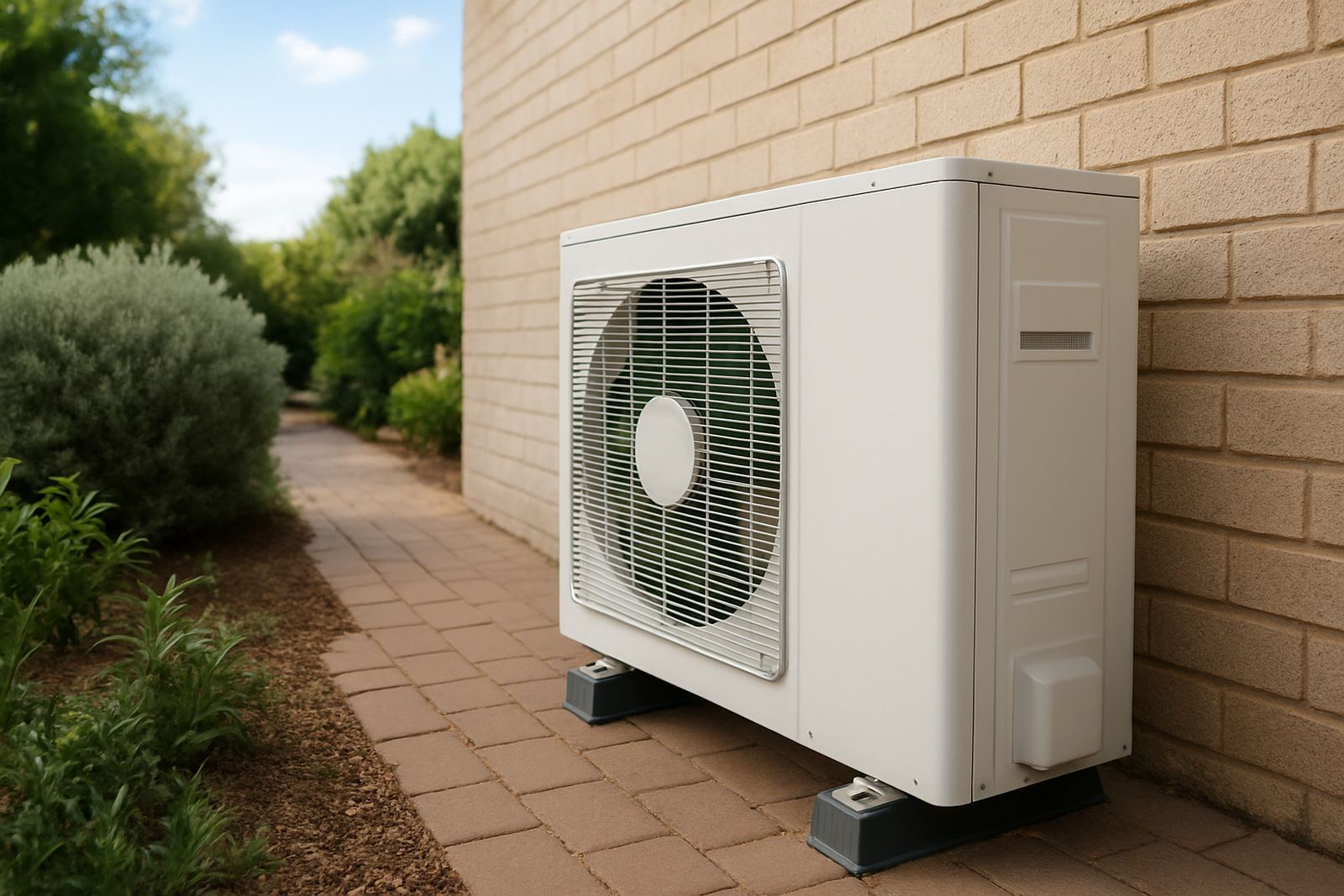
The outdoor unit is the part that does the hard work of rejecting heat, so it needs clean air, enough space and a position that allows proper servicing. If it is tucked into a tight court yard or squeezed behind a boundary wall, technicians may struggle to clean coils, check fan operation or replace parts later.
Placement also affects how hard the system works. A long refrigerant run, sharp pipe bends or poor height differences between indoor and outdoor equipment can put strain on the compressor and reduce efficiency. That matters in homes in Sandton as much as in offices in Centurion, especially when the system is running through long summer afternoons and during load-shedding recovery periods.
We often see owners focus on hiding the unit, then find it is louder indoors, hotter outside and more difficult to repair. A better plan is to balance appearance with access, sound, airflow and a sensible route for copper pipes and condensate drainage.
Choose a spot with clear airflow and enough service access
Outdoor units need open air around them. If hot discharge air is trapped against a wall, under a stairwell or inside a closed balcony area, the unit recirculates heat and works much harder. That can shorten component life and push power use up, which no one wants when electricity costs keep rising.
There also needs to be room for maintenance. A service technician should be able to reach the front, sides and top of the unit without moving paving, removing screens or climbing into a dangerous corner. If a pump, valve or electrical fault needs attention later, easy access saves time and cost.
- Allow open space around the unit for air intake and discharge.
- Keep it out of enclosed courtyards where heat builds up.
- Make sure a technician can clean, test and isolate the unit safely.
- Raise it above standing water where heavy rain or runoff is common.
Noise control starts with the mounting surface and distance from living areas
Even a well installed outdoor unit makes some noise and vibration. The aim is to place it where that sound is least disruptive, not just where it is least visible. A unit mounted on a bedroom wall, next to a study or close to a neighbour’s boundary can cause complaints later, especially in tighter Pretoria East and Randburg erven.
A solid mounting base matters just as much as location. Pavers, brackets or a slab must be level and stable, with vibration isolation where needed. If the unit is fixed to a wall, the wall construction and bracket quality need to be checked properly. A loose installation can rattle during start up and it usually gets worse over time.
In a townhouse complex, for example, the best spot may be a screened side yard rather than the front facade. That keeps the unit quieter for the family, while still leaving enough room for airflow and maintenance. It also helps when body corporate rules are strict about visible equipment.
Pipe runs, condensate and line lengths should be planned before drilling
Shorter pipe runs are generally better, but the route must also be practical. The installer should avoid unnecessary bends, sharp turns and long unsupported sections that can trap oil or create vibration. If the outdoor unit is placed on the wrong side of the house, the extra copper and labour can add cost and affect performance.
Drainage is another point people forget. Condensate from indoor units must drain properly, and the route should not cross areas where water can stain walls or pool near doorways. In humid coastal conditions the wrong slope or badly protected pipework can become a maintenance issue, but even inland in Johannesburg a poor route causes hassle during the first heavy rains.
- Keep the route as short and direct as possible.
- Avoid tight bends that make future servicing harder.
- Plan a clear condensate path with proper fall.
- Protect exposed piping from sun, weather and accidental damage.
Security, weather and municipal realities in Gauteng
In Johannesburg and Pretoria, outdoor equipment should be positioned with security in mind. A unit sitting in an open, easy to reach corner can be vulnerable to theft or tampering. Where possible, place it behind a locked gate, within a supervised yard, or in a screened area that still allows full airflow.
Weather exposure also matters. Strong afternoon sun, wind driven dust and summer storms can all shorten the life of an outdoor unit if it is poorly placed. Units near driveways or low garden beds often collect dust and leaves, which means more frequent cleaning. In areas with heavy rain, the base should be elevated so water does not sit around the feet of the unit.
Where municipal or body corporate rules apply, it is worth checking early whether screens, plinths or wall brackets need approval. Getting that sorted before installation avoids delays and helps keep the finished setup compliant and neat.
A local example from a Johannesburg home with a tricky side passage
We recently looked at a house in Johannesburg north where the owner wanted the outdoor unit hidden behind a narrow side passage. It was possible, but the first idea would have left the unit too close to a wall and right beside a bedroom window. The better option was to shift it slightly further down the passage onto a raised base, with enough open space for airflow and a cleaner route for the pipework.
That small change improved service access, reduced noise at night and made the installation easier to maintain. It also left room for future servicing without having to move paving or remove a gate panel. On paper the original spot looked tidy, but in practice it would have been awkward every summer when the system was working hardest.
These are the sort of decisions that pay off later. A good outdoor unit location is not about hiding everything. It is about placing the equipment where it can breathe, be serviced and keep working when the heat, dust and power interruptions arrive.
What to ask before the installer fixes the position
If you are planning a new installation or a retrofit, ask these questions before anyone drills or mounts anything. The answers will tell you whether the location has been thought through properly, not just fitted where it is easiest on the day.
- Can the unit be serviced without moving other equipment?
- Will the sound be acceptable for bedrooms and neighbours?
- Is the pipe run short enough to stay efficient?
- Will the base stay dry during heavy rain?
- Is the position secure and in line with site rules?
Good outdoor unit placement supports the whole system. It helps the indoor zones respond properly, keeps maintenance manageable and avoids the kind of small problems that become expensive later. For homes and offices across Johannesburg and Pretoria, that practical thinking makes the biggest difference.