Why the return path matters more than most people think
Supply air gets most of the attention because that is where the cool or warm air comes out. But every litre of air supplied has to find its way back to the unit, and if that path is restricted the system works harder than it should. You end up with higher fan noise, poor temperature control and rooms that never quite settle.
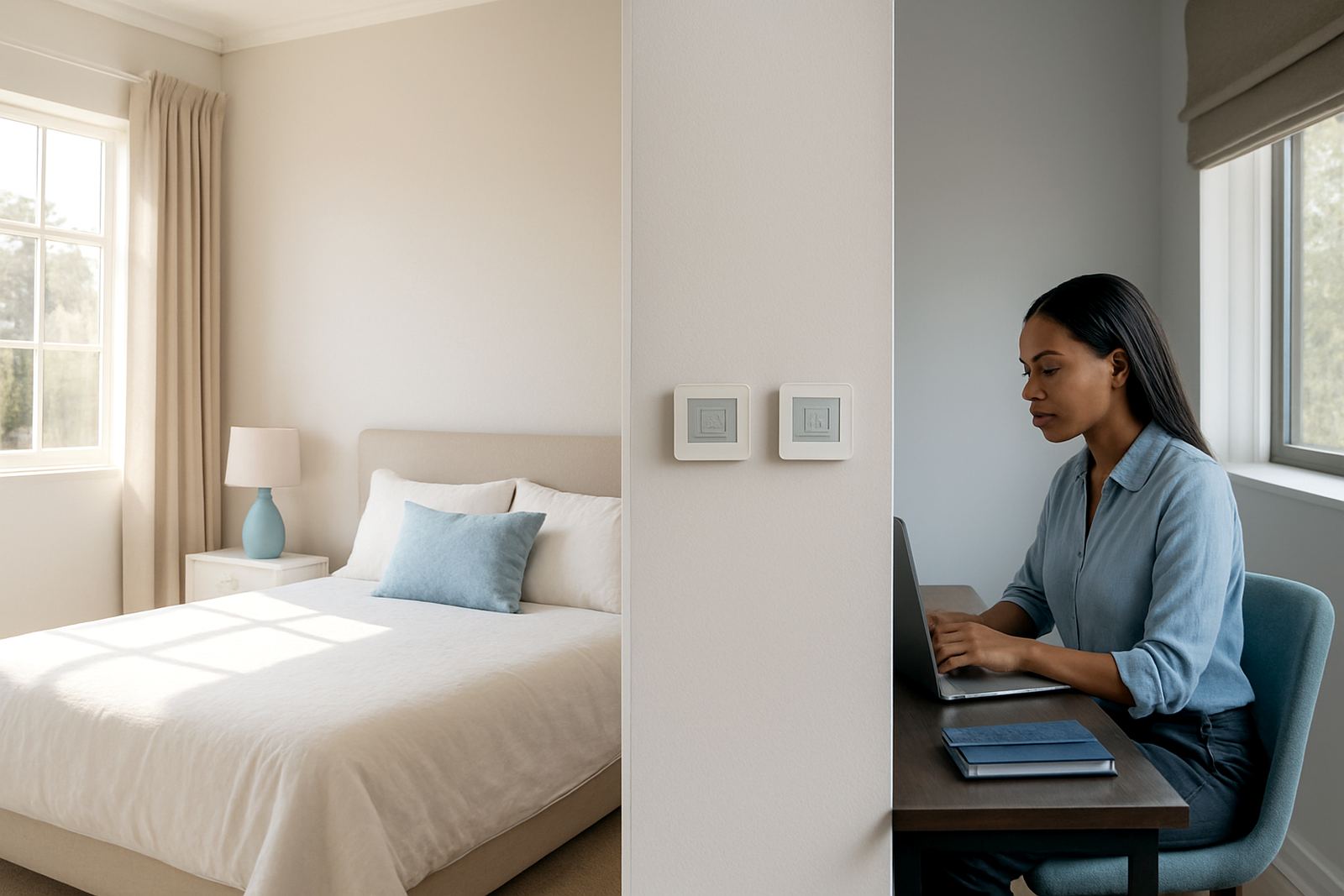
In practical terms, the return side lets the system breathe. A ducted setup with a weak return can make one bedroom feel fine while the next room stays stuffy, even when the thermostat says the space is set correctly. The problem is not always the compressor or the thermostat, sometimes it is just bad air movement through the building.
What a proper return air path looks like
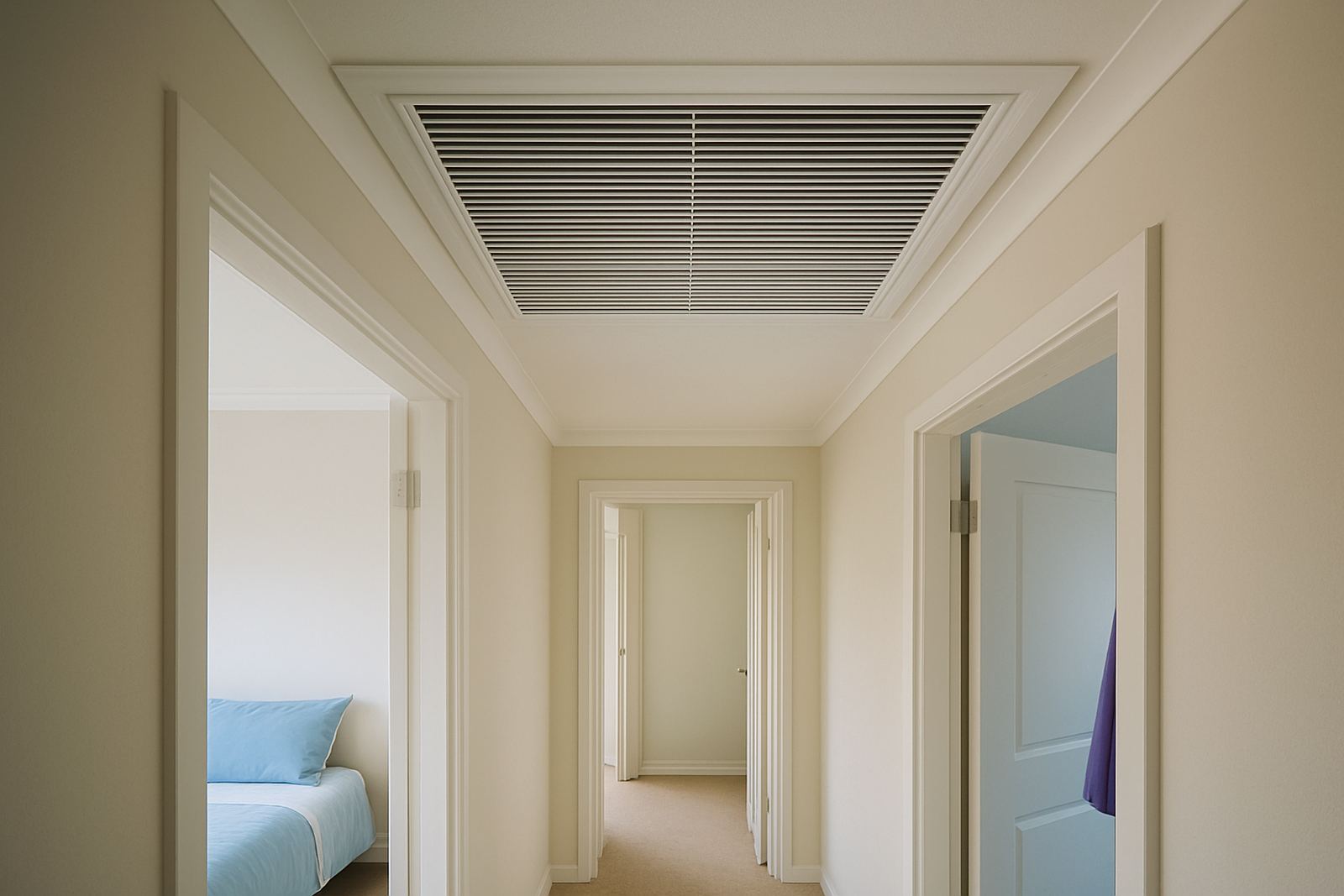
A good return path is sized for the total air volume moving through the system. It should have enough free area, sensible grille placement and a duct route that does not create unnecessary bends or pinches. The goal is to let air come back quietly, not force it through a bottleneck.
- Return grilles should be placed where air can move freely, not behind curtains or cupboards.
- Door undercuts or transfer grilles may be needed when doors are closed most of the day.
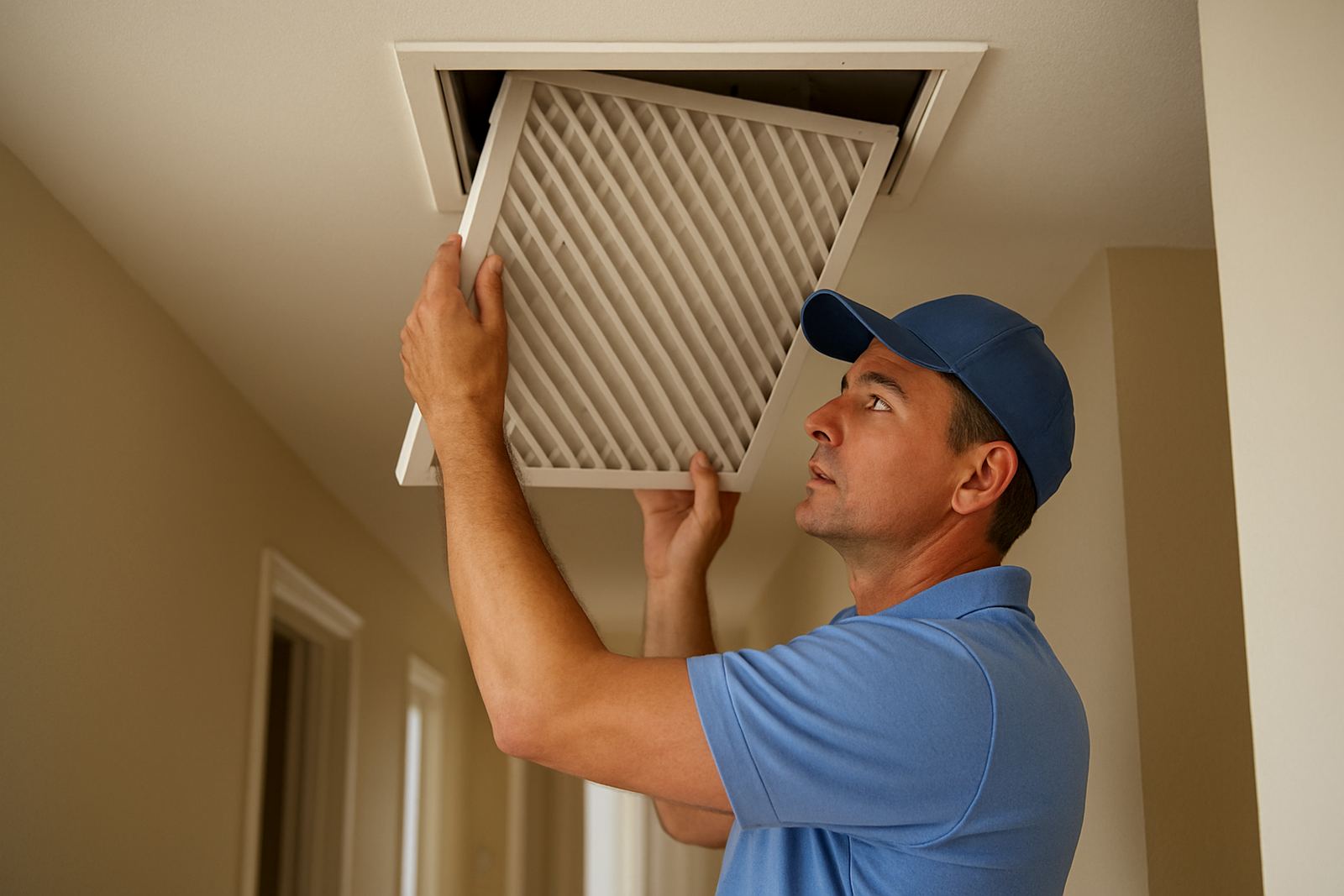
- Filters must be easy to reach for cleaning, otherwise they get ignored.
- Where rooms are zoned, each zone still needs a return strategy that suits the layout.
If the return is undersized, the fan may start to whistle and the supply registers can sound stronger than the room actually feels. That is usually a sign the system is fighting itself.
Common return air mistakes we see on site
In retrofit work around Sandton, Randburg and Centurion, the same issues come up again and again. A return grille is placed too close to a supply diffuser, so the air short-circuits and the room never mixes properly. Or a beautifully finished ceiling gets installed without enough access for filter changes, so maintenance becomes awkward and the system performance drops over time.
Another common problem is closing off doors in a zoned layout without allowing air to get back to the unit. The room then pressurises slightly, the damper noise rises and comfort drops. It seems small, but it can make a good system behave badly.
- Return grille too small for the air volume.
- Filter hidden where nobody services it.
- Closed doors with no transfer path.
- Long duct runs with tight bends and extra resistance.
How return air affects noise and comfort
Noise usually starts when air velocity gets too high. If the return path is narrow, the fan has to pull harder, and that can create a low howl or rushing sound in the ceiling space. In open-plan offices this is often the first complaint people notice, because the system might be doing the right thing temperature-wise but it sounds strained.
Comfort is also linked to airflow stability. A balanced return helps the thermostat read the actual room condition instead of a pocket of stagnant air. That matters in Johannesburg where afternoon heat builds quickly, and in Pretoria where sun load can push certain rooms harder than others. A stable return path helps the system recover without overworking.
A Pretoria example from a zoned office fit-out
We looked at a first-floor office in Pretoria East where the boardroom kept running hot while the rest of the floor felt overcooled. The supply side had been set up neatly, but the return grille sat in the wrong part of the ceiling and the doors stayed closed during meetings. Air was getting in, but it was not getting back efficiently.
After adjusting the return arrangement, checking the transfer paths and rebalancing the airflow, the room settled properly and the fan noise dropped. Nothing dramatic changed in the plant room, just the path the air was allowed to take. That is often the fix with return air problems, practical and unglamorous, but effective.
What to check before you call for service
If a system is noisy, uneven or slow to respond, there are a few simple things worth checking first. These do not replace a proper assessment, but they can point you in the right direction and save time on site.
- Make sure filters are clean and fitted the right way round.
- Check that return grilles are not blocked by furniture or storage.
- See whether closed doors are cutting off air movement between rooms.
- Listen for whistling, which often means the return is restricted.
- Look for dusty ceiling registers, a sign the air may be pulling from the wrong places.
If the system still struggles after those checks, the issue may be in the duct sizing, the damper settings or the controls programming. That is where a proper site assessment and airflow balancing come in.
Getting the return side right on new builds and retrofits
Good return air design should be part of the plan from the start, not something added at the end when the ceiling is already closed. On new builds, that means matching the return size to the total system load and planning for maintenance access. On retrofit installs, it means working with the existing ceiling depth, structure and room layout to avoid creating future problems.
In coastal humidity or dustier inland conditions, return filters and access points matter even more because blockage happens faster. A tidy return path makes seasonal servicing quicker and helps the system stay within spec for longer. For homes and offices in Johannesburg and Pretoria, that usually means fewer callbacks, better comfort and lower fan noise.