Start with the rooms that matter first
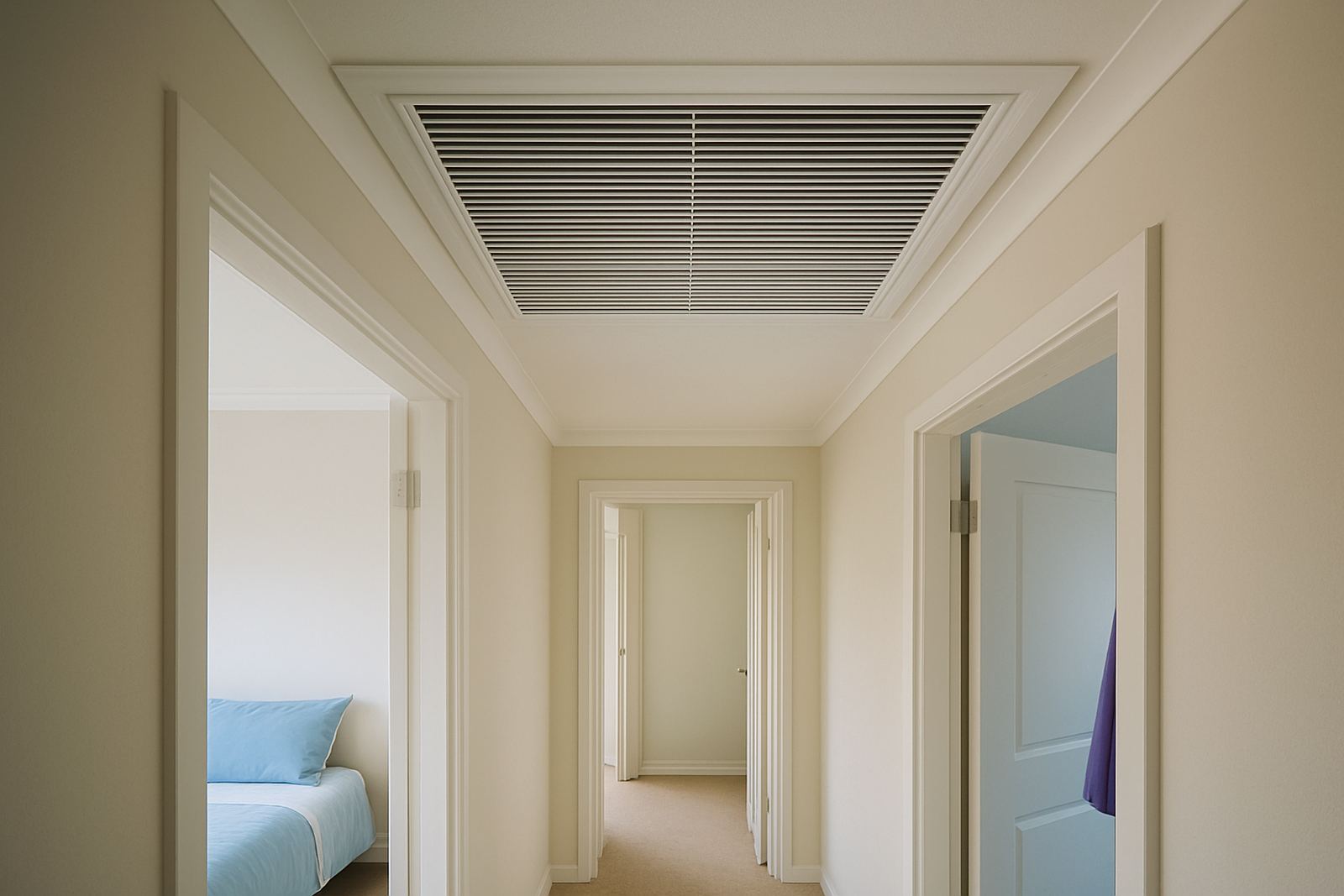
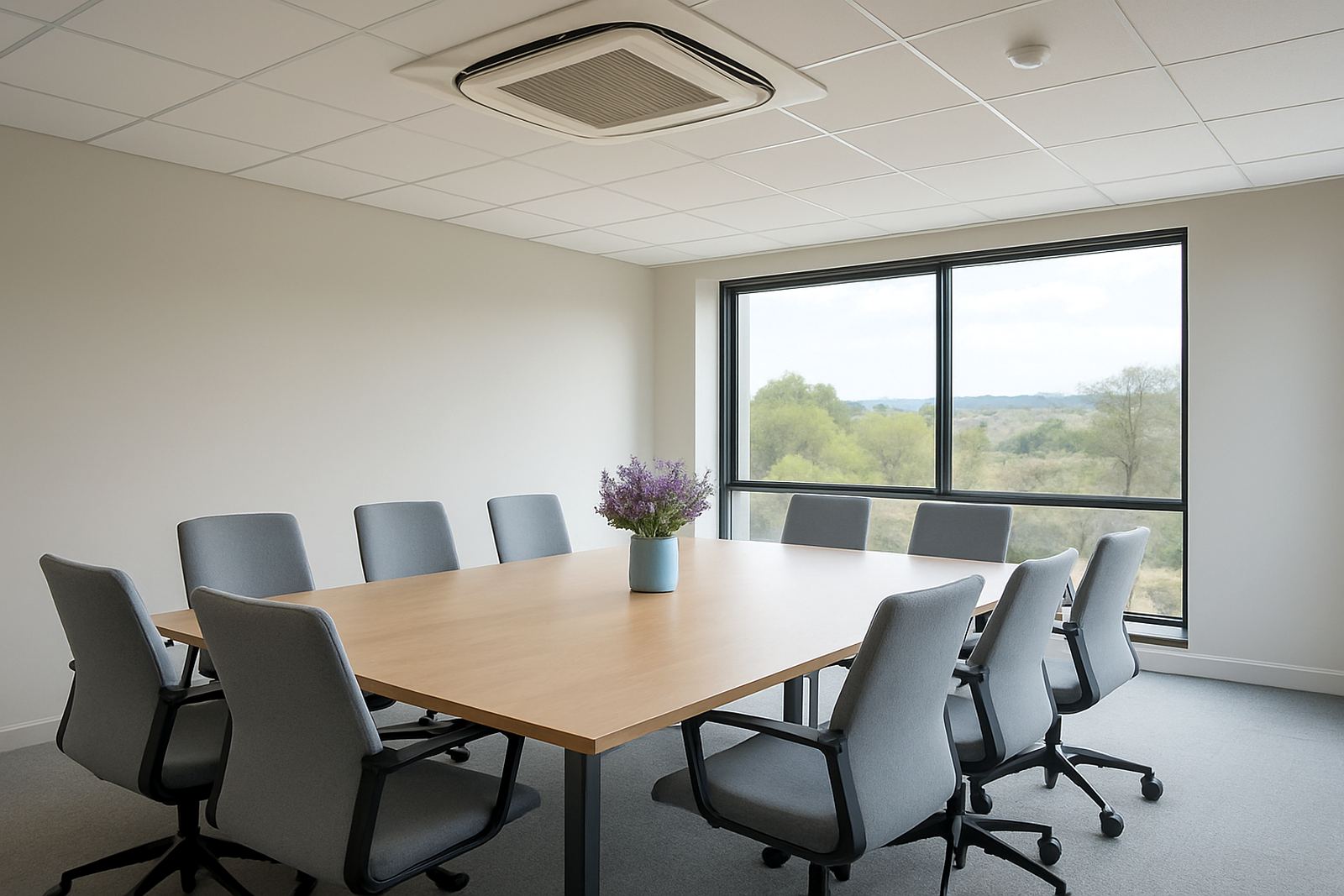
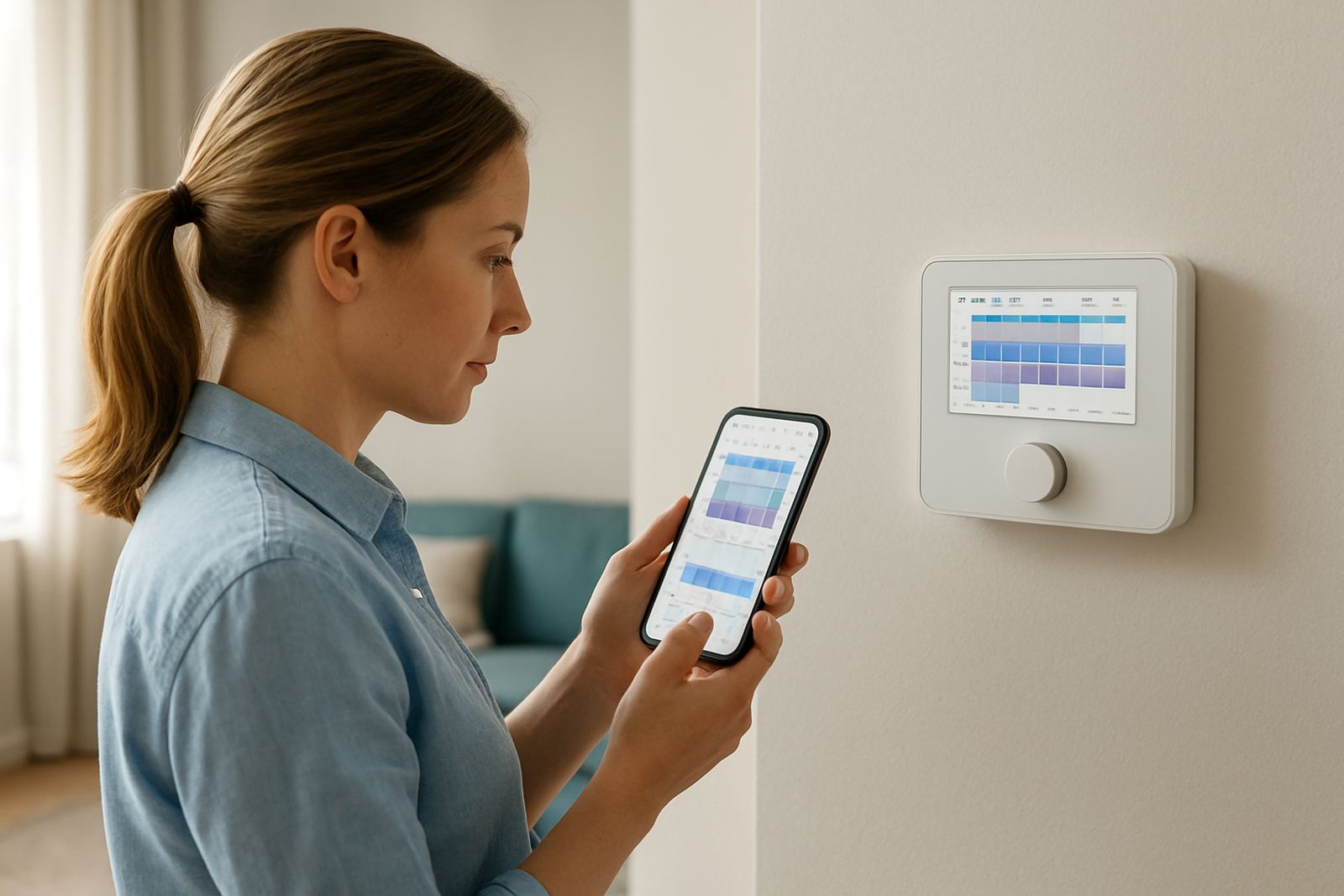
Smart scheduling works best when you treat each zone as its own space, not as part of one big building. Bedrooms need steady night-time comfort, living areas need cooling around family hours, and meeting rooms or open-plan offices often need a quicker start before people arrive.
In many Sandton and Centurion homes, the main lounge does not need to run all afternoon if the family is in separate rooms. A zoned system lets you cool only the spaces in use, so the rest of the house is not paying for comfort it is not getting.
- Set bedrooms to steady night comfort from late evening to early morning
- Run living areas before dinner and switch back after the room empties
- Keep offices and meeting rooms on separate weekday timing
- Allow guest rooms or seldom used rooms to stay off unless needed
Match the schedule to real routines, not ideal ones
The strongest schedules come from watching how the property is used over a normal week. If people leave Pretoria East by 7 am, there is no value in cooling the whole house from 5 am. If a practice in Randburg has client appointments from 9 am to 4 pm, the front rooms should respond to that pattern instead of running all day.
It helps to work in blocks. Morning, midday, late afternoon and night are usually enough for most homes and offices. You can then adjust each zone by an hour or two after a week of use, rather than changing settings every day.
- Note arrival and departure times for each room
- Keep early morning start-up only where it is needed
- Use shorter cooling periods in low-use rooms
- Review the first two weeks before making fine changes
Use temperature setbacks instead of full shutdowns
Turning systems fully off and on again can waste time and energy, especially in homes with good insulation or offices with large glass areas. A temperature setback is often better. That means the system keeps a room a few degrees higher or lower than the main comfort setting, so it does not have to work as hard when people return.
This is useful in Johannesburg, where late afternoon heat can build quickly after a cool morning. It also helps in Pretoria summer, when a boardroom can become uncomfortable very fast once sun hits the west side of the building.
- Use a warmer setting for empty rooms instead of switching them off for long periods
- Pre-cool occupied rooms before meetings or bedtime
- Allow a slower recovery in spare rooms and storerooms
- Keep critical spaces like server rooms or reception areas on tighter control
Plan around local conditions and load-shedding
Schedules should also reflect local realities, not just comfort. During load-shedding, a system may need a gentler restart so the electrical load does not spike when power returns. If you have backup power, the schedule should still be set with care so all zones do not call for cooling at the same moment.
Coastal humidity is less of an issue in Gauteng, but indoor humidity can still rise in closed rooms and after rain. A well timed schedule can help manage that by running a little longer in the morning or after a crowded meeting, rather than leaving damp air trapped overnight.
- Stagger start-up times after power returns
- Reduce simultaneous demand across all zones
- Allow brief dry-out periods after high occupancy
- Keep an eye on west-facing rooms in late summer
Keep meeting rooms and family spaces separate
One of the main benefits of zoned air-conditioning is that a meeting room does not need to follow the same pattern as a bedroom. Offices in Pretoria and Johannesburg often have one room used for client meetings, another for admin work and a third that stays empty most of the day. Each room should have its own schedule and its own set point.
The same thinking works at home. A child’s room may need a stable night setting, while a braai room or family lounge only needs cooling when people are gathered there. If each space follows its own rhythm, the whole system becomes easier to live with and the bills are easier to explain.
- Give each zone a clear purpose before programming times
- Separate quiet night areas from busy daytime areas
- Use guest spaces only when they are in use
- Keep high-use zones simple enough for staff or family to understand
Review the schedule after the first month
Once the first schedule is in place, watch for patterns that do not show up on paper. A room may be getting too cold before sunrise, or a meeting space may still be catching up too slowly at 8.30 am. Small changes, even 30 minutes either side, can make a clear difference.
In one Pretoria East office, the best result came from starting the boardroom earlier and delaying the admin area until after staff arrived. The building used less energy, and people stopped fiddling with controls during the day. That kind of fix is common when the schedule follows real use rather than a guess.
- Check comfort feedback from the people using each room
- Look for rooms that are always adjusted manually
- Shorten or extend start times where needed
- Revisit the schedule when seasons change
Why professional setup matters
Smart scheduling only works properly when the system has been sized, balanced and programmed correctly. If the ducting is uneven or the load calculations are off, no timetable will hide the problem. That is why site assessments, airflow balancing and controls programming matter just as much as the thermostat itself.
For homes and offices in Johannesburg, Sandton, Randburg, Pretoria, Centurion and Pretoria East, the aim is simple: set the rooms up so they comfort people without wasting power. Once that is done, the schedule should run quietly in the background and not demand daily attention.