Start with the rooms that actually carry the heat
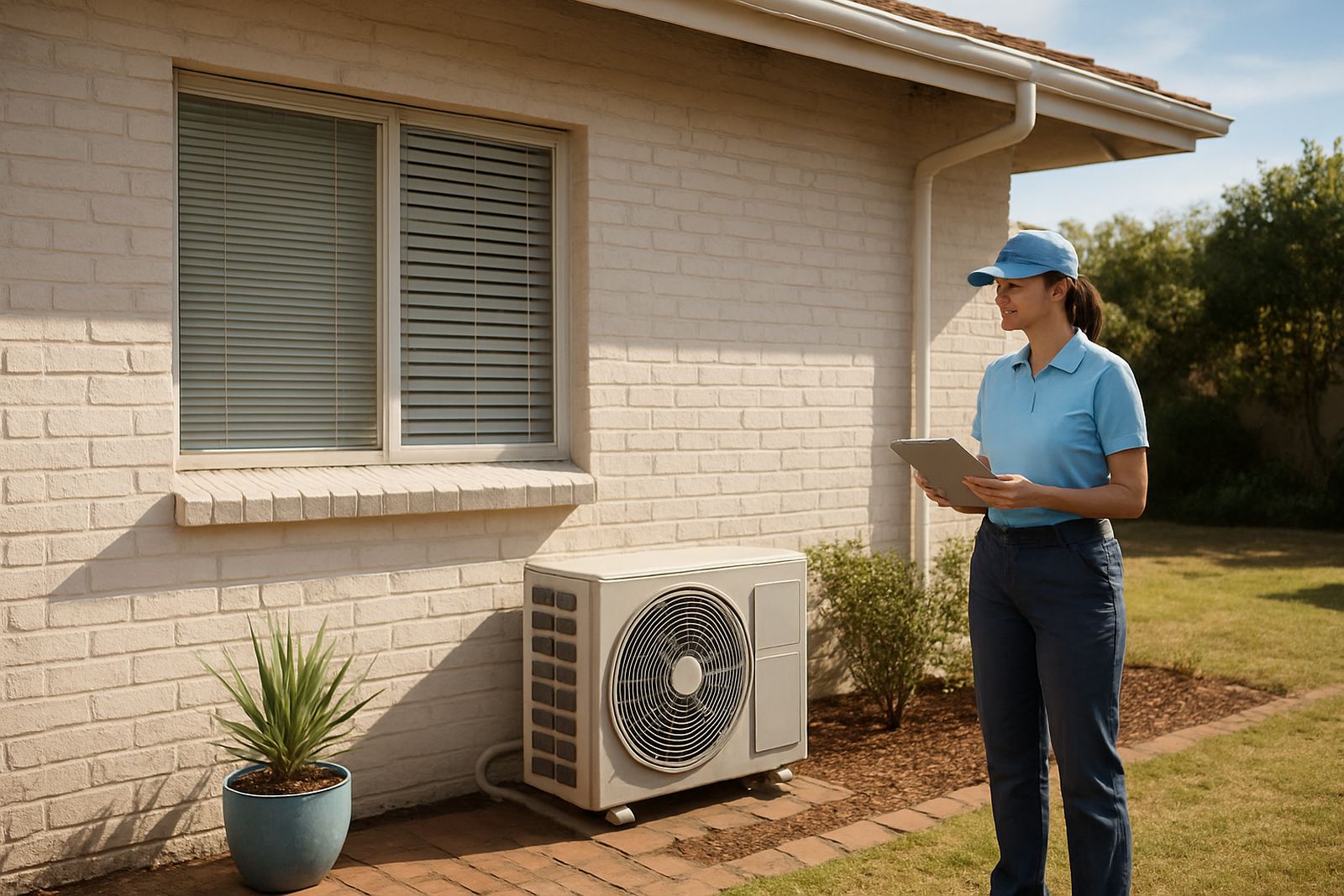
In Johannesburg and Pretoria, summer comfort is not only about lowering the thermostat. It starts with knowing which rooms overheat first. West facing lounges, upstairs bedrooms, boardrooms with glass, and kitchens near busy prep areas often need more attention than the rest of the building. A zoned system lets you direct cooling where it is needed instead of treating the whole property the same.
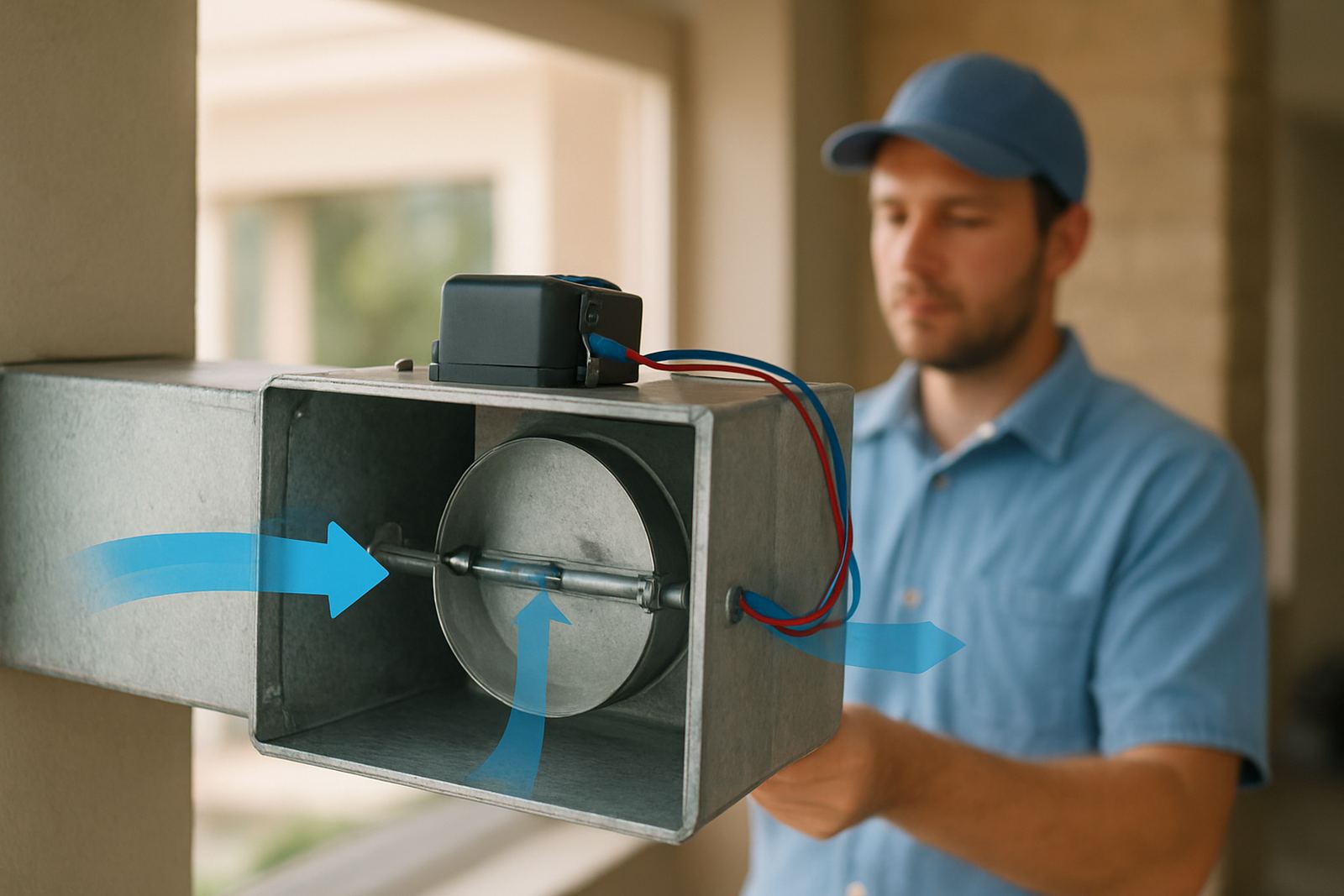
Before the first real heatwave, walk through the property in the afternoon and note where people feel the strain. Check sun exposure, glazing, ceiling height and how many people use each room. If a room is empty for most of the day, it should not be receiving full cooling just because it is connected to the same system. That is where room-by-room dampers make a proper difference.
Use zoning to support how the building is used
Zoning works best when it matches real daily patterns. A family home in Sandton may need the main bedroom and living areas cooled early in the evening, while a Pretoria office may only need meeting rooms and occupied work areas during the day. If the system is divided sensibly, each zone can respond to actual demand instead of one control trying to satisfy every room at once.
For commercial sites, summer comfort usually improves when the controls are set around occupancy times. You can schedule occupied zones to start earlier on hot days, then reduce output once the heat load drops. In homes, a simple rule helps: keep doors closed to active zones and avoid letting cooled air spill into passages or unused rooms. That small habit saves a lot of waste over a full season.
- Group rooms by use, not just by location
- Keep high heat rooms on their own zones where possible
- Review schedules before summer starts
- Make sure every thermostat is in a sensible position, away from direct sun
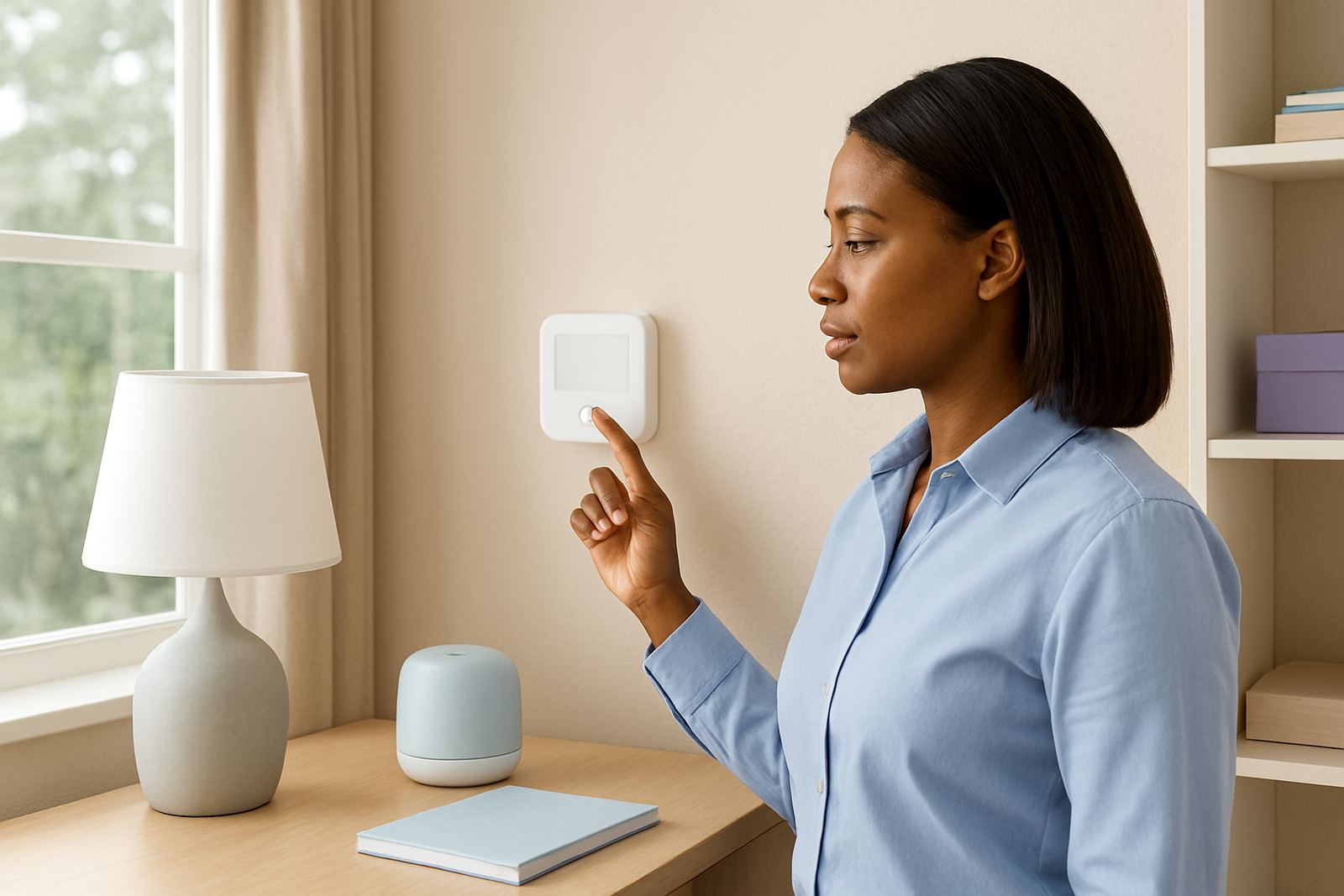
Set thermostats for comfort, not panic cooling
Many people turn the system too low when the heat rises, but that often makes the building less comfortable. Once a room is overcooled, occupants may complain about draughts, dry air or a temperature swing between rooms. In a zoned system, the better approach is steady control. Let the system hold a sensible set point and do the work gradually.
Smart thermostats are useful because they can help avoid short cycling and unnecessary temperature swings. They can also be programmed for different parts of the day, which is useful during load-shedding recovery or after a hot spell. If a meeting room is booked for 2 pm, there is no benefit in cooling it at 8 am, unless the space also carries servers or other heat-producing equipment. Small timing adjustments can improve comfort without putting extra strain on the system. And yes, people notice the difference quickly.
Do the simple maintenance before the heat arrives
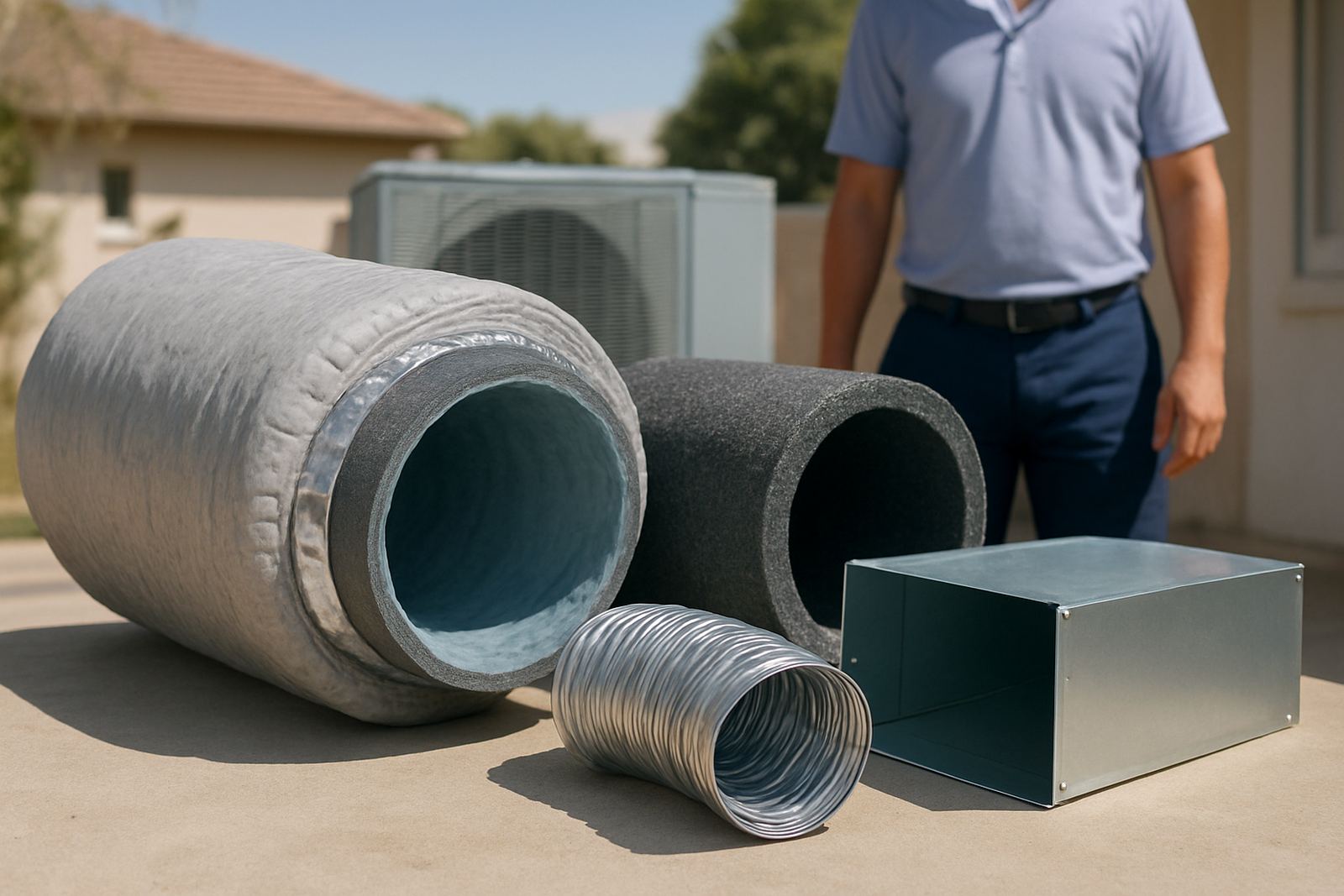
Summer problems are often maintenance problems that show up late. Dirty filters, weak airflow, blocked return paths and poorly set dampers all reduce what the system can do on a hot day. If one zone is colder than another or a room never seems to catch up, the cause may be airflow rather than capacity.
A proper seasonal service should check airflow, control settings, refrigerant performance where applicable, and the condition of the ducts and dampers. In coastal humidity or after a dusty winter, buildup can change how the system performs. A unit that was coping in May may struggle badly by January if the filters are left too long. It is worth checking before the first real heat wave, not after complaints start coming in.
- Clean or replace filters on schedule
- Check that dampers open and close properly
- Inspect condensate drainage for blockages
- Confirm the system is balanced across all active zones
Plan for power interruptions and hot restart conditions
In both Johannesburg and Pretoria, summer comfort is affected by load-shedding and power interruptions. When power returns, every zone does not need to start at full output immediately. That can create a sharp draw on the system and make occupied rooms feel uneven for the first hour. A better controls strategy is to stage recovery so the most important zones come back first.
If the property has meeting spaces, bedrooms or a server room, those areas may need priority after an outage. The rest of the building can recover in sequence. This protects the equipment and reduces the chance of one zone stealing all the airflow while another is left behind. For offices, it also helps avoid the common situation where the whole team comes back to a warm building and everyone reaches for the controls at once.
It is also worth checking backup timings and thermostat settings after any shutdown. A few minutes spent on controls programming can prevent a lot of discomfort later in the day.
Match summer habits to the local climate
Summer in Gauteng brings dry heat, sudden afternoon storms and strong sun through large windows. That mix can fool people into overcooling the whole building. In a home in Randburg, for example, a west-facing family room may need more cooling than the bedrooms until later in the evening. In a Pretoria East office, the opposite may be true if the boardroom gets the afternoon sun while workstations stay shaded.
The point is to let the system respond to the actual building, not a generic setting. Keep blinds closed on hot sides of the building, reduce unnecessary internal heat from lighting and appliances, and use zoning to cool only occupied areas. If a zone is being overworked, the answer is usually design or balancing, not just a colder set point. A well set up system can handle summer better than people expect, as long as it is used properly.
When to ask for a system review
If rooms are fighting each other, if some areas are cold while others stay stuffy, or if the system seems to run all day without giving real comfort, it is time for a review. A site assessment can show whether the issue is duct sizing, zoning layout, thermostat placement or a change in how the building is used.
For older homes and offices, retrofit work may be the practical answer. That can include new dampers, better controls, airflow balancing or upgrades to suit a new layout. If the building has changed from single-family use to mixed office use, or if a tenant has added heat producing equipment, the original setup may simply not fit anymore. Sorting that out before peak summer is always easier than trying to patch it mid-season.
Air-conditioning should be felt, not fought with. When zoning is set up properly, summer heat becomes manageable without wasting cooling on empty rooms.