Why thermostat position matters more than most people think
A zoned system can only respond to the temperature it measures. If the sensor sits too close to a sunlit window, a kitchen, or a drafty doorway, the system may cool or heat the room at the wrong time. That means some rooms feel fine while others stay too warm or too cold.
In practice, the aim is simple: let the thermostat read the average room condition, not a hot spot or a cold corner. In a home in Sandton, for example, a sensor near a glass stacker door can keep calling for cooling on a bright afternoon even when the rest of the lounge is already comfortable. In an office in Centurion, a sensor placed above a printer area can pick up extra heat and shorten the cycle too much.
- Keep the sensor away from direct sun and strong airflow
- Choose a wall that represents normal room use
- Allow the system a clear reading of the room air
The best height and wall position for a clean reading
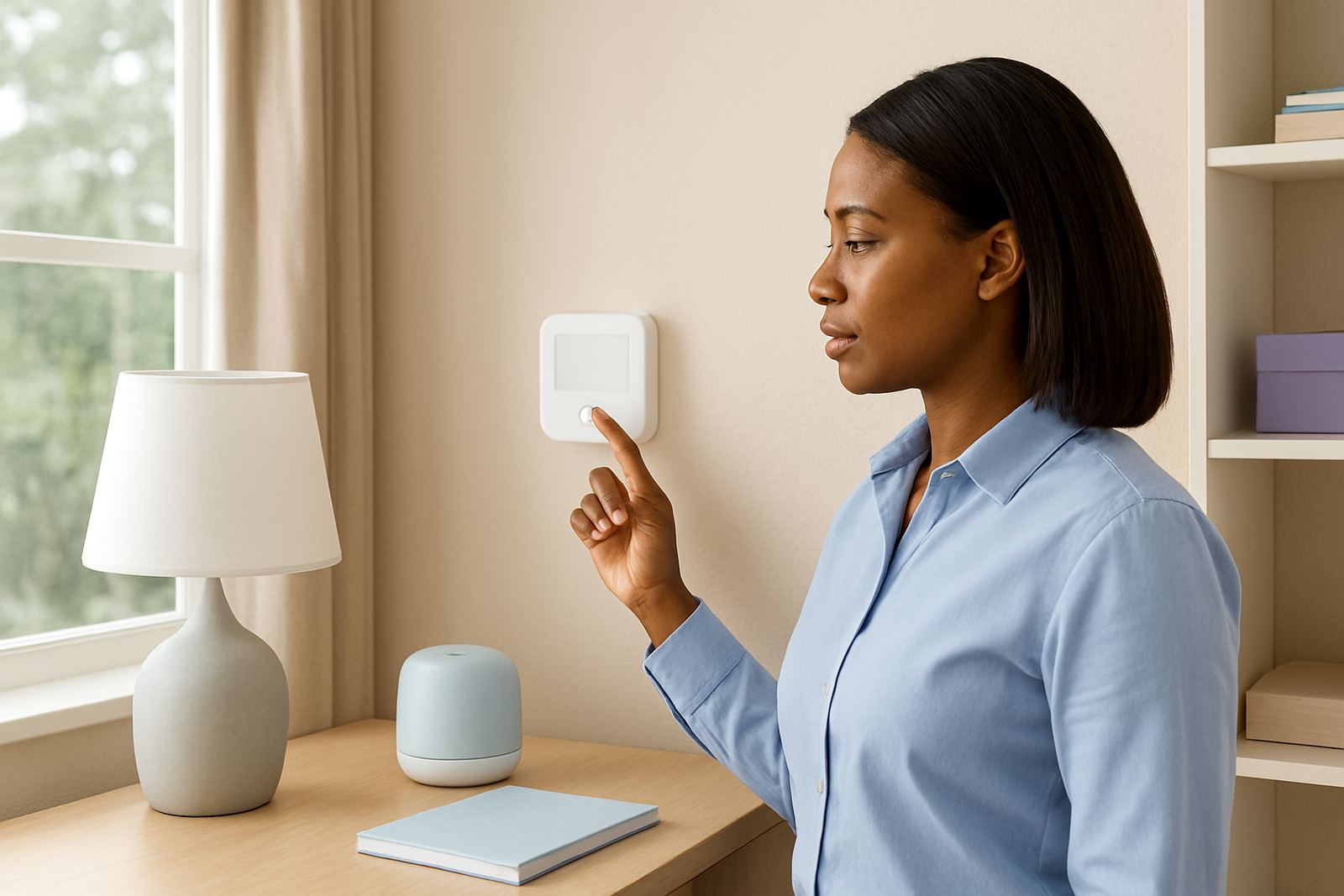
For most rooms, a thermostat should sit at about chest height, typically around 1.4 m to 1.5 m from the finished floor. That gives a reading that is close to what people actually feel when they are in the room. Mounting it too low can expose it to cooler air near the floor, while placing it too high may catch rising warm air first.
Wall position matters too. Avoid outside walls where heat loss or gain can distort the reading, especially in older homes in Pretoria East and Randburg. A central internal wall is often better because it stays closer to the room average. If the room has a passage, staircase or open-plan link, the wall should not sit too close to that moving air path.
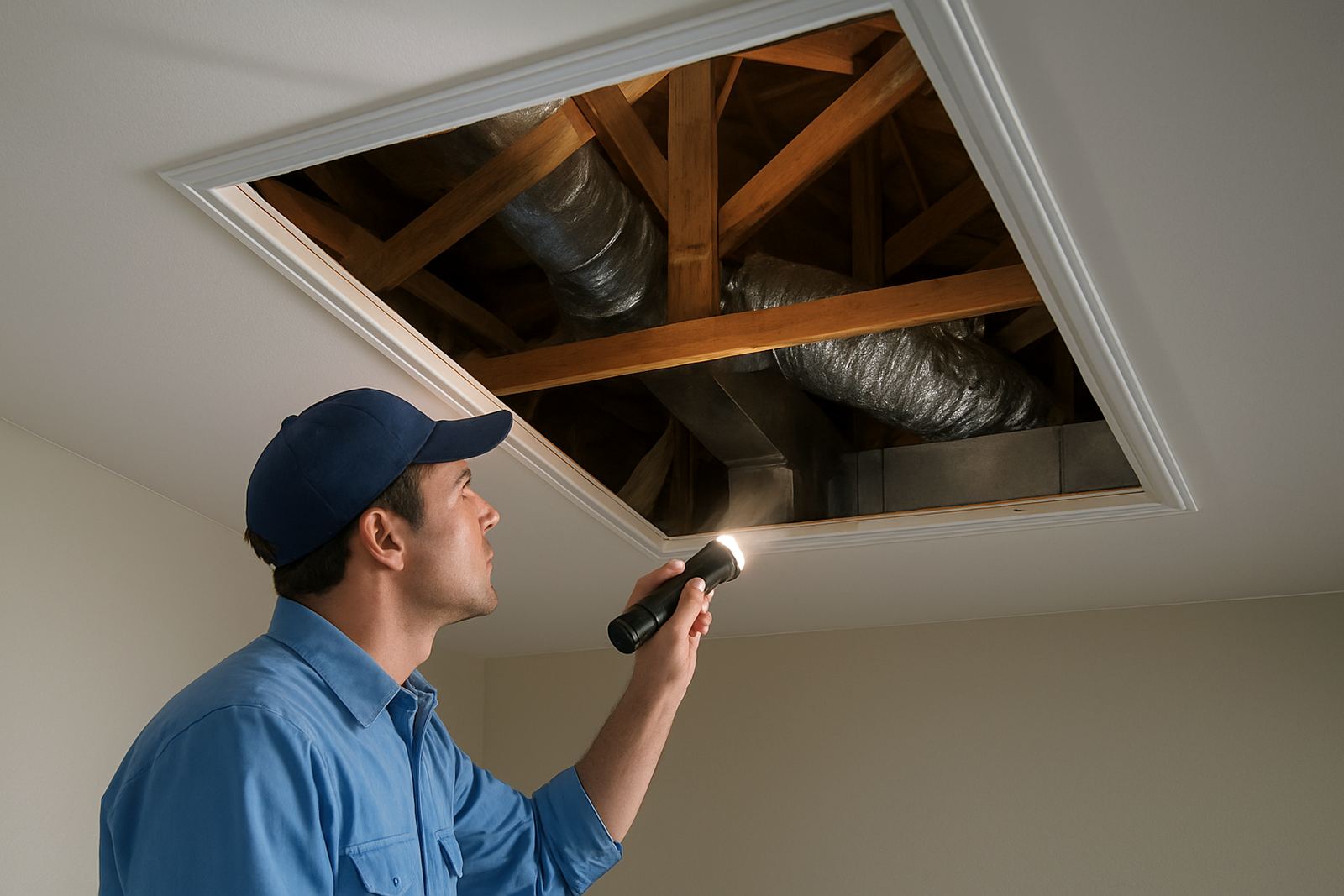
When we assess a site, we look at how the room is used during the day, where doors open most often, and how sunlight moves across the space. A good location on paper can be the wrong choice once the room fills with people and equipment.
- Aim for an internal wall, not a wall facing midday sun
- Keep it clear of curtains, shelves and wall units
- Do not place it where people will touch it constantly
Things that throw the sensor off in Johannesburg and Pretoria homes
Local conditions matter. In Johannesburg, afternoon storms can bring a quick drop in temperature and draughty air through open windows. In Pretoria, strong sun and warm east or north facing rooms can push temperatures up fast. Coastal humidity is not the issue here, but indoor humidity still builds up in kitchens, bathrooms and closed offices, and that can affect comfort if the sensor is badly placed.
Common mistakes are easy to spot during a site check. A thermostat behind a door gets hit by dead air. One near a TV or server cabinet reads extra heat. A sensor too close to a supply grille reacts to conditioned air before the room itself has changed. Then the dampers and thermostats chase the wrong reading all day.
- Keep away from kitchens, bathrooms and tea stations
- Stay clear of heat from appliances, computers and set top boxes
- Do not place the sensor where a window or door blasts air across it
Room by room zones need room by room thinking
Zoned air-conditioning works best when each room or area is treated on its own terms. A north-facing bedroom, a boardroom used for six people, and a quiet study all behave differently. If every thermostat is placed in the same way without thinking about the room layout, the system will not match the way the building is actually used.
In a Pretoria office, for example, one boardroom may be used only in the morning while nearby smaller offices run all day. The boardroom sensor should not be placed where it is influenced by the corridor. It needs to read the temperature inside the room so the damper can open or close based on real demand. The same principle applies in homes with open-plan lounges and enclosed bedrooms.
This is where system design and airflow balancing matter. A good thermostat location works with the damper settings, duct layout and load calculations. If those parts are not in sync the best sensor position still wont fix uneven comfort.
- Separate busy rooms from quiet rooms where possible
- Do not let one zone borrow the temperature from another
- Check that each sensor reflects how the room is used through the day
What to avoid during a retrofit or upgrade
Older buildings often force a compromise, but a poor old location should not be copied just because it is already there. During retrofit installations, we often move sensors to a better wall and adjust the controls programming to suit the new position. That small change can make the system respond better without changing the whole installation.
If you are upgrading controls, check whether the thermostat is still reading the right space. Furniture may have changed. A partition may have gone in. A previous owner may have placed the unit where the cable was easiest to run, not where the room conditions are best. In offices around Sandton and Randburg, reconfiguring an open-plan area can leave a thermostat hidden behind cabinetry or too close to a copier room. That is not ideal.
- Review the sensor position after any layout change
- Do not reuse a poor location just to save time
- Test the reading after the system has run for a while
A practical rule for getting the best result
If you want a simple rule, place the thermostat where a person would stand and say, this feels like the room. Not in direct sun, not in a draught, and not next to something that adds heat or cold. That rule sounds basic but it solves many complaints before they start.
For homes and offices in Johannesburg and Pretoria, the best results usually come from a site assessment before the final installation. The room shape, glazing, insulation, ceiling height and daily use all affect where the sensor should go. Once the sensor location is right, the dampers and smart thermostats can do their job properly, keeping each zone closer to the temperature you actually want.
Good placement saves service calls, reduces waste and makes the system easier to live with. It also helps during load shedding recovery, because the thermostat is measuring the room, not some false warm spot near a switched off appliance.