What static pressure really means in a ducted system
In simple terms, static pressure is the resistance air meets as it moves through ducts, bends, dampers, filters and grilles. A fan can only push so much air against that resistance, so if the pressure gets too high the system starts to struggle. You feel that as weak airflow, uneven room temperatures and a unit that works harder than it should.
For homes and offices in Johannesburg and Pretoria, this matters because many buildings mix long duct runs, tight ceiling spaces and retrofit work done in stages. One area might get plenty of air while a far bedroom, boardroom or home office gets very little. That is not always a fault in the unit itself, often it is a pressure problem.
Why pressure affects comfort, noise and zoning
When static pressure rises, the fan has to push harder. That can create hiss at the grilles, whistling through closed or partly closed dampers, and a louder indoor unit. It also means the system may not deliver enough airflow to all zones when more than one room calls for cooling or heating at the same time.
In a zoned system, good pressure control helps each room receive the right amount of air without overworking the fan. That matters for boardrooms in Sandton, bedrooms in Randburg, and open-plan offices in Centurion where people notice noise quickly. It also helps with energy use, which is especially useful during load-shedding recovery when systems may cycle more often.
- Too much pressure can make one zone noisy and another zone starved of air.
- Too little pressure can leave rooms sluggish and slow to reach set temperature.
- Balanced pressure supports smoother thermostat response across all rooms.
The parts that usually drive pressure up
Static pressure does not come from one thing only. It builds up across the whole air path. A design with undersized ducts, too many bends, dirty filters or dampers that close too far will all add resistance. Sometimes the problem starts with a good system that later gets altered, such as a ceiling bulkhead changed for a renovation or an extra zone added without recalculating the airflow.
We see this often in homes and offices around Pretoria East and Johannesburg where existing ducted systems are retrofitted for zoning. The original fan may have been selected for one open area, then later asked to work through several rooms. It can still run, but the pressure margin is gone and performance drops. A system can sound fine at first and still be under pressure, so to speak.
- Long duct runs increase resistance, especially with small duct sizes.
- Sharp bends and crushed flexible ducts reduce airflow quickly.
- Filters that are overdue for servicing add unnecessary pressure.
- Closed dampers and poorly set controls can make the fan fight itself.
How we check pressure before recommending changes
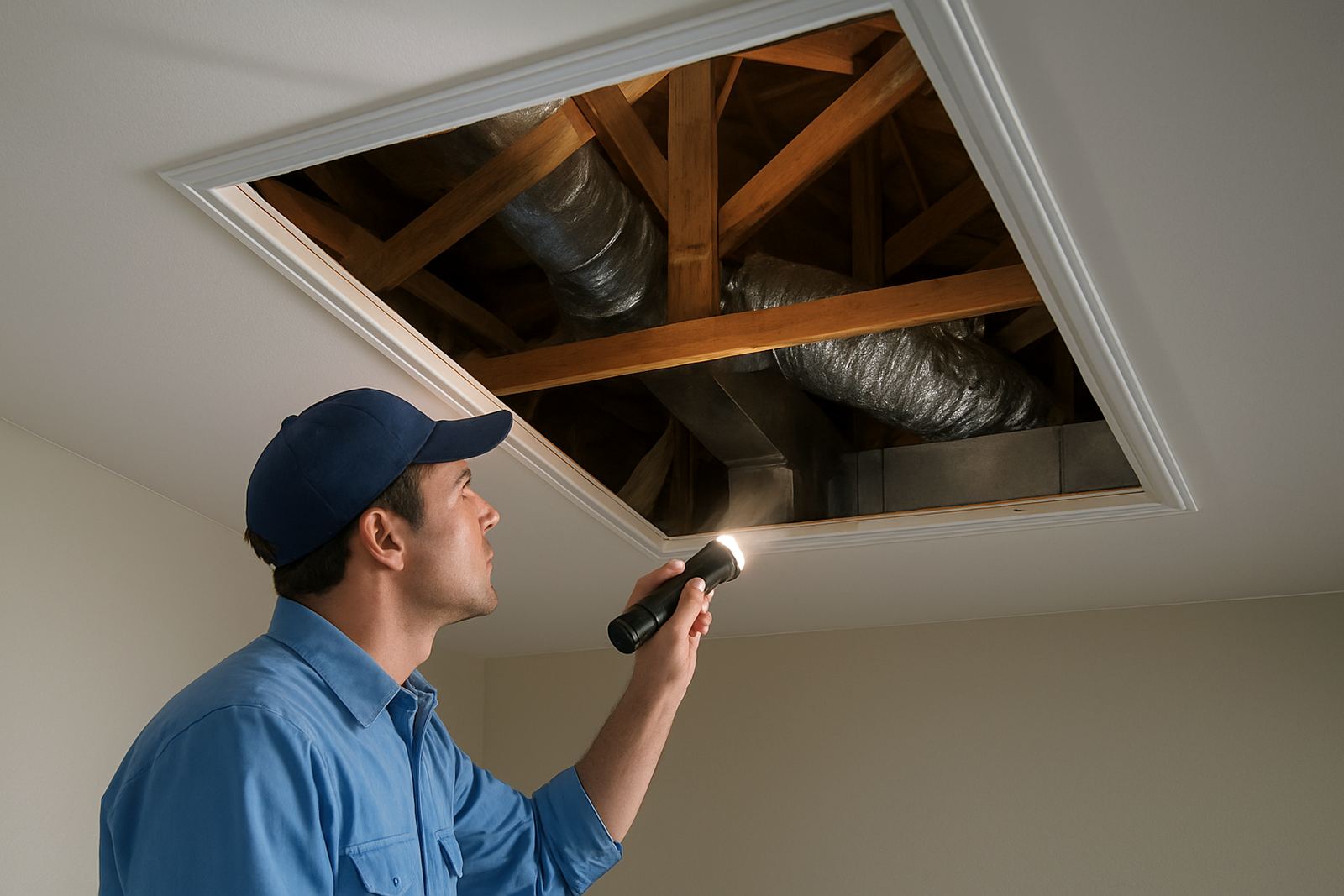
A proper site assessment starts with the basics: room sizes, ceiling space, existing duct layout, return air position and how the zones are expected to work. From there, load calculations and airflow targets tell us how much air each area actually needs. That is important because a sun-facing living room in Johannesburg may need a different airflow profile from a shaded office in Pretoria.
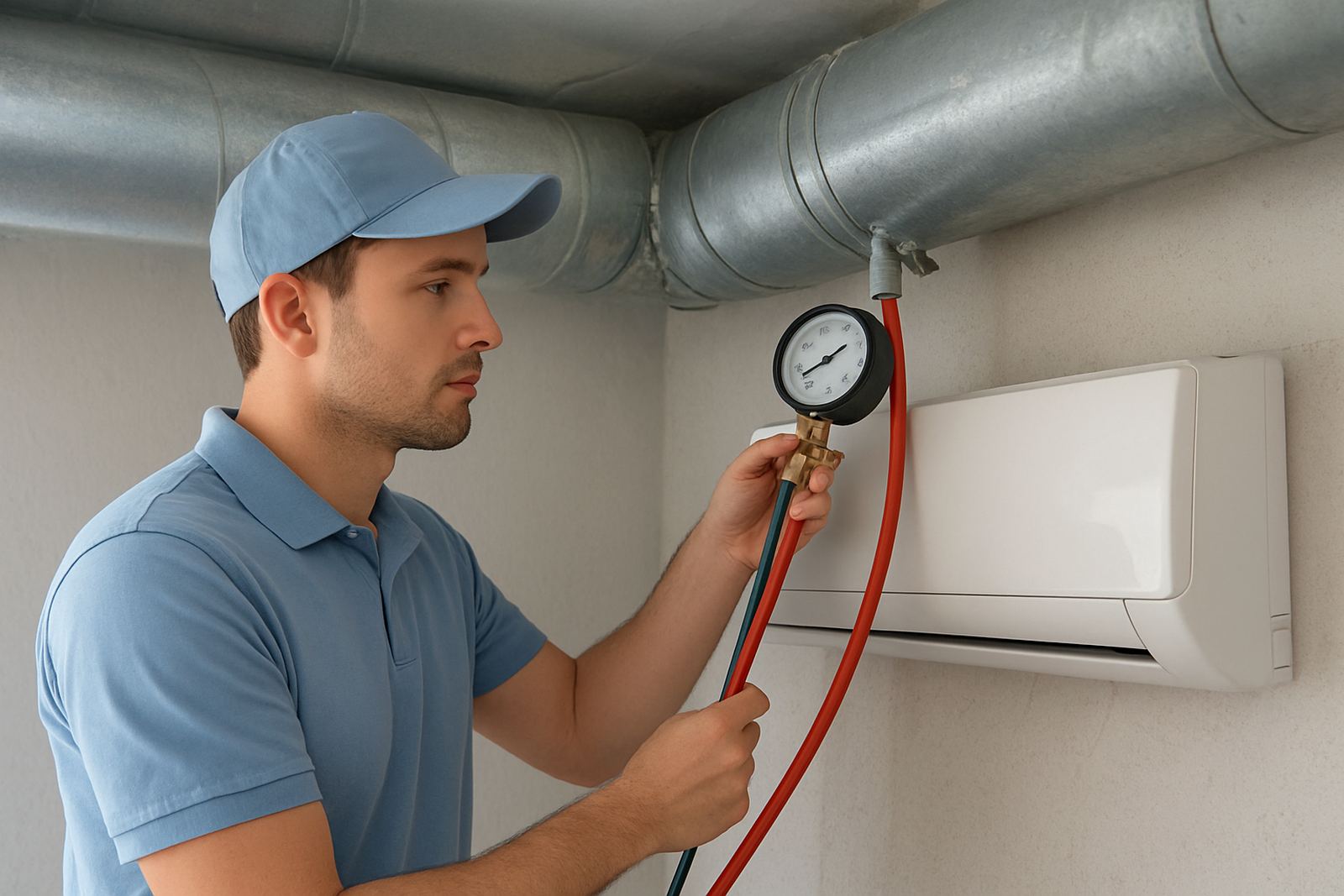
We then look at the pressure in the system and compare it with the equipment limits. If the pressure is too high, the answer may be duct resizing, better grille selection, a damper control adjustment or a change to the return air path. Sometimes the fix is simple, sometimes it needs a broader upgrade, but the aim is the same: make the air move properly without making the unit work flat out.
A local example from a mixed-use office in Sandton
In one Sandton office fit-out, the boardroom and reception were comfortable, but two cellular offices at the end of the duct run stayed warm in summer and stuffy by mid afternoon. Staff had already tried turning the thermostat lower, which only made the main areas colder and the system noisier. The issue was not the thermostat setting, it was pressure loss in the far duct run.
After checking the layout, we found a combination of long flexible runs, a restricted return path and dampers that were closing too far on part load. We rebalanced the airflow, adjusted the damper strategy and improved the return air arrangement. The far offices started receiving enough air, the noise dropped and the system no longer had to push so hard. That kind of result matters in offices where people are on calls and cannot work with a constant hiss in the ceiling.
Practical signs that your system may be under pressure
If you live or work in Johannesburg or Pretoria, there are a few signs worth watching. A room that never quite reaches temperature, a unit that becomes noticeably louder when several zones are on, or grilles that whistle when a damper closes are all clues. Dust build-up around grilles can also suggest airflow is uneven and the system is not moving air cleanly.
Other signs show up after a servicing cycle, especially in coastal or humid conditions, but even inland dust and seasonal pollen can make filters load up faster than expected. If the system seems to run longer after a power interruption or during peak summer heat, pressure may be part of the reason. It is better to catch that early than wait for a compressor fault or repeated call-outs.
- Uneven temperatures between rooms.
- Whistling, rushing or knocking sounds in the ducts.
- One zone opens and closes properly while another feels weak.
- Higher electricity use without better comfort.
Getting static pressure right from day one
The best time to deal with static pressure is during design, before ceilings are closed and finishes are complete. For new builds, that means matching the fan, ducts, dampers and controls from the start. For retrofits, it means being honest about what the existing plant can and cannot do, then upgrading only where it is needed.
In practical terms, a good zoned system should be quiet enough for bedrooms, responsive enough for offices, and stable enough to cope with normal seasonal changes. That comes from sound sizing, careful installation and proper airflow balancing. If those pieces are done well, the system does not have to fight pressure every day, and each room gets a fair share of air.
For properties in Johannesburg, Sandton, Randburg, Pretoria, Centurion and Pretoria East, that is the difference between a system that simply runs and one that actually works the way the building needs it to.