
Why the study is a special case
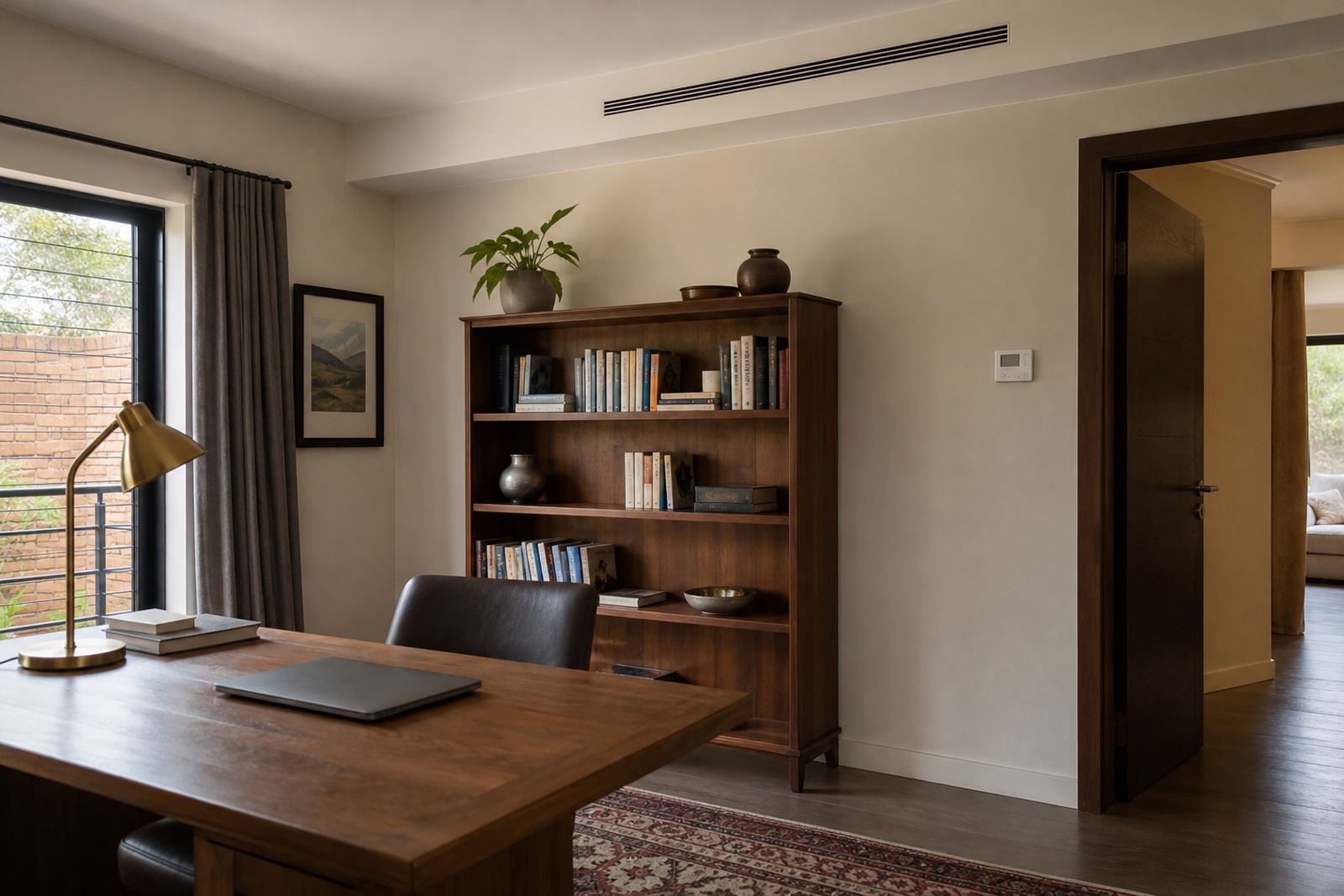
A home office is small, often has a computer, screens and a printer adding heat, and is occupied from eight to five while bedrooms and living areas sit empty. In many Pretoria East and Johannesburg North homes the study also faces north or west, so it gets the strongest sun in the afternoon. On a single-zone ducted system the thermostat is usually in the passage or lounge, so the study runs warmer than the setpoint suggests.
Setting up a dedicated zone
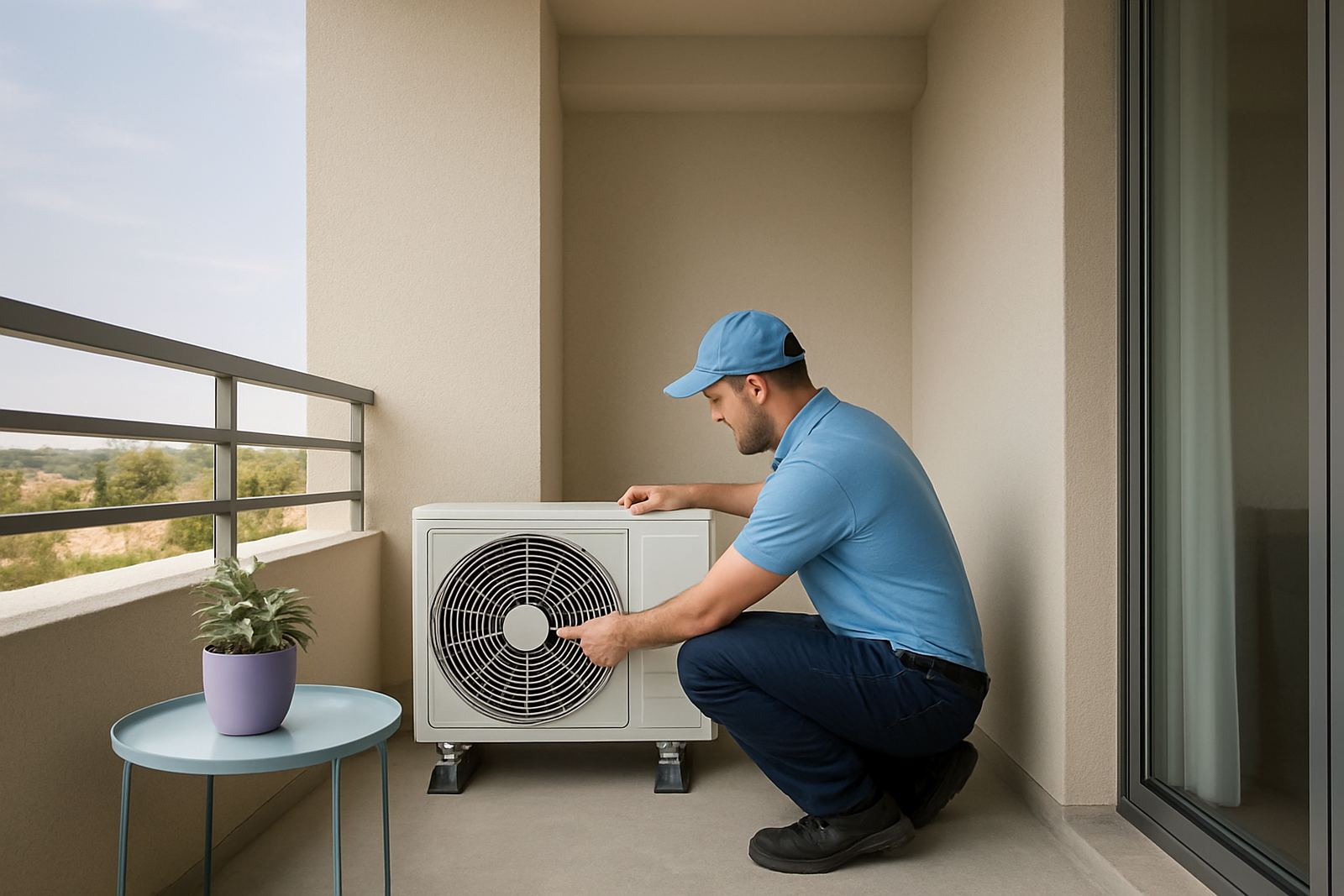
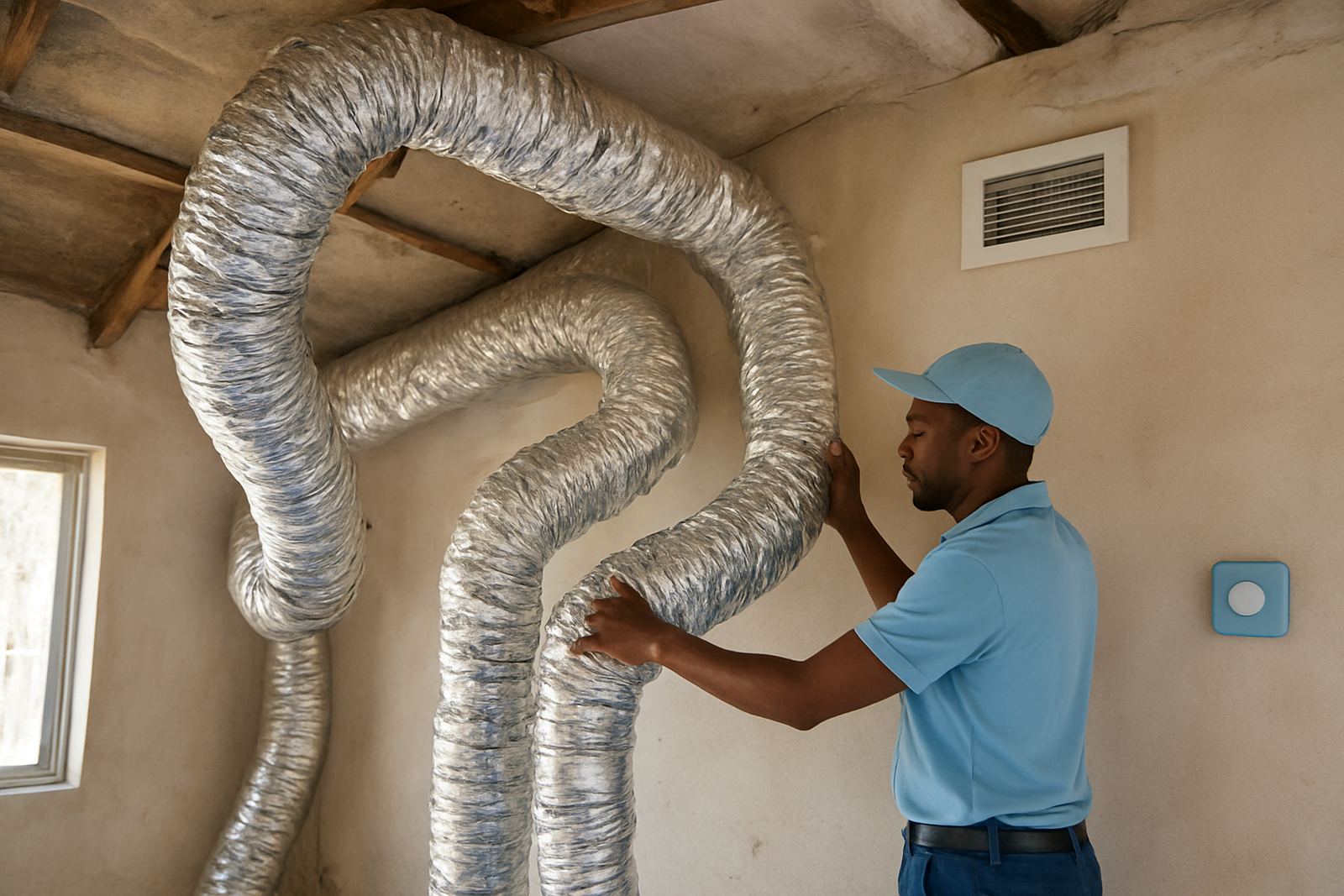
A motorised damper on the study supply duct, with its own thermostat in the room, lets the system deliver air only where it is needed during the day. The outdoor unit and fan coil must be able to run at low load without short cycling, which is where inverter equipment and a proper bypass or variable fan control matter.
- Fit the thermostat on an inside wall away from the screen and window
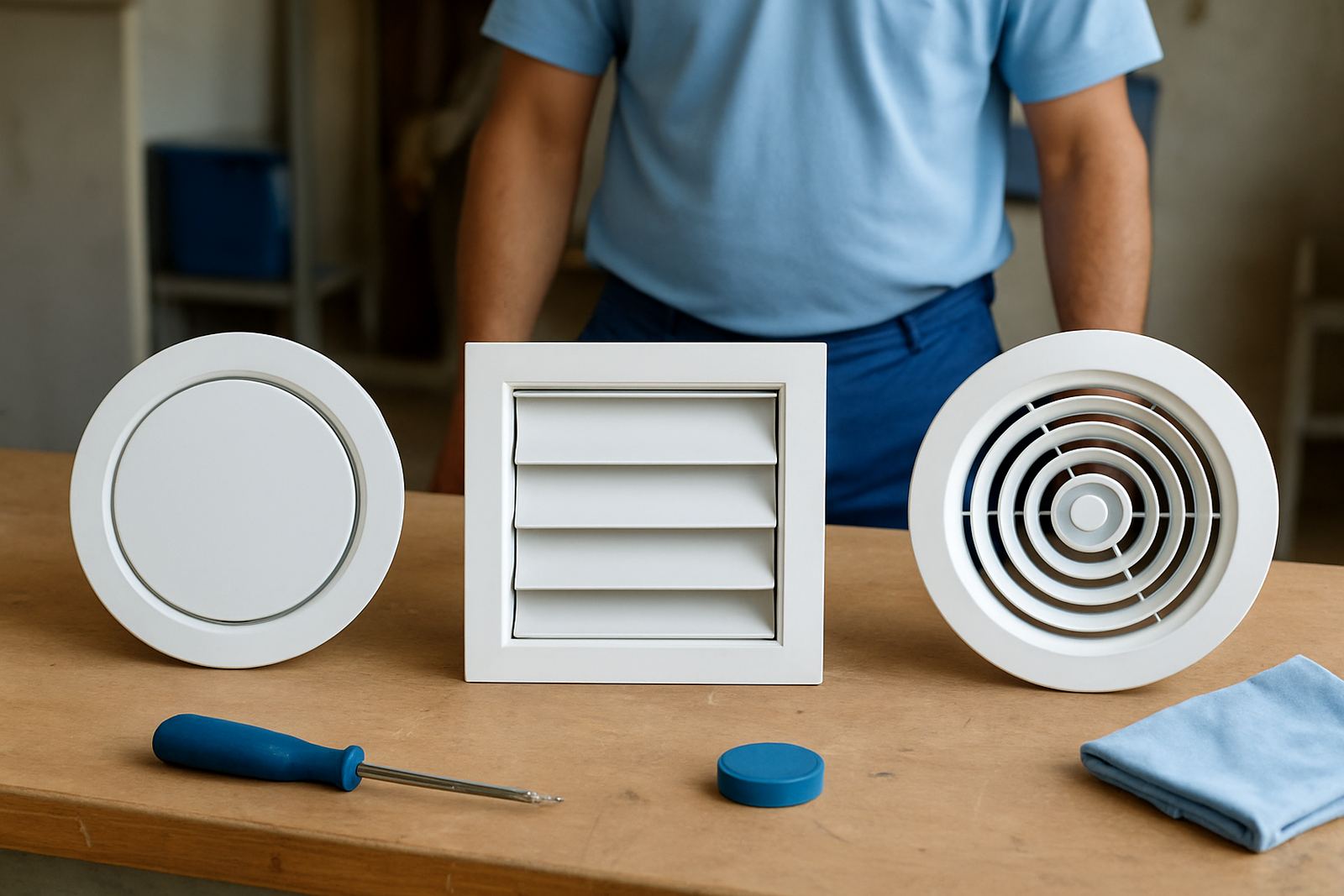
- Size the diffuser so airflow is quiet at a desk, not blowing on your neck
- Check the return air path so the room is not pressurised when the door is shut
- Schedule the zone to start 20 minutes before your working day
Noise and comfort at the desk
Video calls make noise far more noticeable. We place linear slot diffusers away from the desk and keep air velocity low so the microphone does not pick up a rush of air. If the study door is usually closed, a transfer grille or ducted return stops the room from becoming stuffy and keeps carbon dioxide down through a long afternoon.
Retrofit or new build
In a new build the study zone is easy to plan from the start. In an existing home with ducting, adding a damper and thermostat is usually a one-day job if there is ceiling access. Send us your floor plan, the size of the study and where the current thermostat sits, and we will advise whether a zone or a separate small unit makes more sense for your house.