Why the diffuser is not just a finishing trim
In a ducted system, the diffuser is the visible outlet that delivers air into the room. It sounds simple, but the diffuser shape and size influence throw, spread and noise, which means it can change how a bedroom, boardroom or open-plan living area feels on a hot Pretoria afternoon.
People often choose outlets for appearance only, then wonder why one side of the room feels stuffy or why the air drops straight onto a couch. A good design starts with the room size, ceiling height, furniture layout and the direction the conditioned air needs to travel. In Johannesburg homes with higher ceilings, that matters even more because the air has to bridge a bigger space without creating draughts.
The main job is to move air to the occupied zone, not just into the ceiling cavity. If the outlet is too small, the air can whistle. If it is too large or poorly placed, the room may cool unevenly. That is why diffuser selection should sit alongside load calculations and airflow balancing, not be left to the last minute.
Square diffusers suit steady, even distribution
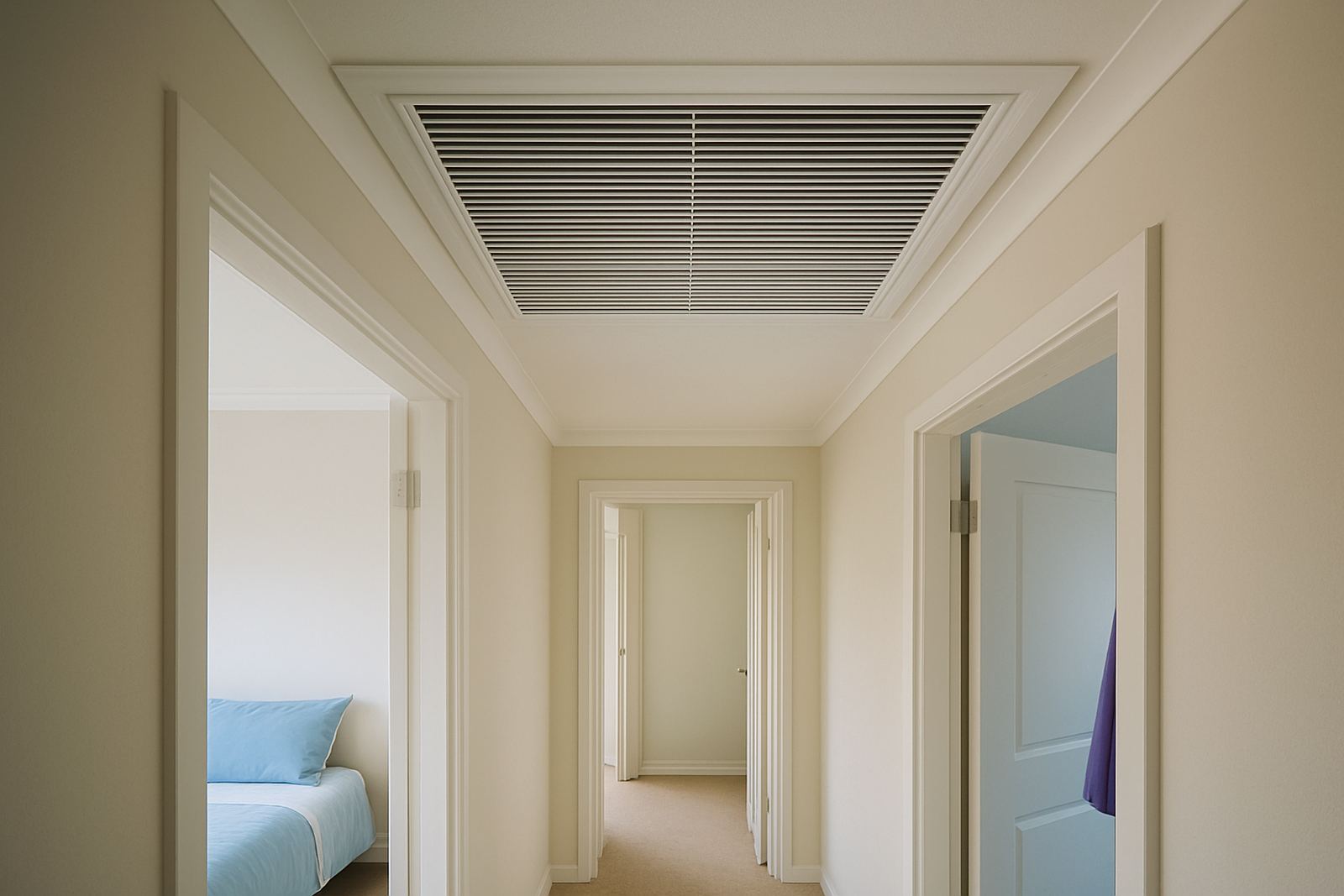
Square diffusers are a common choice for homes and smaller office spaces because they spread air in a balanced pattern. They work well where the ceiling layout is neat and where a clean, familiar look is preferred. In many Sandton apartments and townhouses, this style blends easily with standard ceiling grids and gives a neat finish without drawing too much attention.
They are useful when you want moderate throw and a broad spread across the room. That makes them a practical option for bedrooms, passageways and medium-sized offices, especially where furniture may shift over time. They are also easier to place symmetrically around lights and bulkheads.
- Best for medium rooms with regular ceiling layouts
- Suitable when a balanced air pattern is more important than a strong directional throw
- Works well in spaces where the outlet should blend into the ceiling
The only drawback is that square diffusers are not always the best answer for long, narrow rooms. If the air needs to travel down a length of open plan space, a different outlet type may do the job better.
Linear slots help with long rooms and a neater look
Linear diffusers and slot outlets are often used where appearance matters or where the room shape is long and narrow. They create a more discreet line across the ceiling or bulkhead, which suits modern living rooms, reception areas and executive offices in Pretoria East. They can also be set near windows or along perimeter areas to help manage solar heat gain from afternoon sun.
Because the outlet is stretched out, the air can be distributed over a wider section of the ceiling. That can improve comfort in spaces with larger glazed areas or where you do not want a single point of supply right above the seating area. In coastal conditions humidity is a factor too, and a well planned linear outlet helps keep the space comfortable without making the air feel heavy.
Slot diffusers are not automatically better than square ones. They need careful sizing and a correct static pressure design, otherwise the air may come out too fast or too weak. They also need proper coordination with the duct layout, because a neat line on the ceiling still has to be backed by sound engineering behind it.
- Good for long rooms, passages and feature ceilings
- Useful where the interior finish needs a cleaner, less visible outlet
- Needs accurate design so the supply air is not noisy or uneven
How air throw changes comfort in real rooms
Air throw is simply how far the air travels before it slows down and mixes with the room air. This is one of the biggest reasons diffuser choice matters. A diffuser that throws too short may leave hot spots near windows or in far corners. One that throws too aggressively may create draughts where people sit or sleep.
For a home office in Randburg, a short-throw diffuser may be fine if the room is small and the counter area sits close to the centre of the room. For a longer boardroom in Centurion, a diffuser with stronger directional reach might be needed so people at the far end do not sit in stagnant air. The same principle applies to open-plan kitchens and lounges, where heat from cooking and afternoon sun can push the cooling demand higher.
Spacing also matters. A few well placed outlets are usually better than several random ones. If the room layout includes bulkheads, ceiling fans or beams, the airflow path must be checked before the final position is set. Otherwise the supply can hit an obstruction and lose performance before it reaches the people using the room.
Matching outlet style to South African conditions
Johannesburg, Sandton, Randburg, Pretoria and Centurion all have different building styles, but the same basic rule applies: the diffuser must suit the room load and the way people use the space. In older homes with ceilings that have been altered over time, it may be better to use outlets that allow some flexibility in throw. In new builds, the outlet style can be planned right from the start, which usually gives a cleaner result.
There are also practical local issues to keep in mind:
- Rooms with strong afternoon sun may need more directed throw near the windows
- Open-plan areas often need a combination of supply positions rather than one large outlet
- High humidity in some areas can make poor airflow feel sticky, so distribution must be even
- Load-shedding planning matters because systems should recover properly after power cuts without creating cold or warm spots
The outlet choice should not fight the building. It should work with the ceiling structure, the duct route and the room layout so the system stays comfortable and practical through summer and winter.
A Pretoria retrofit example that shows the difference
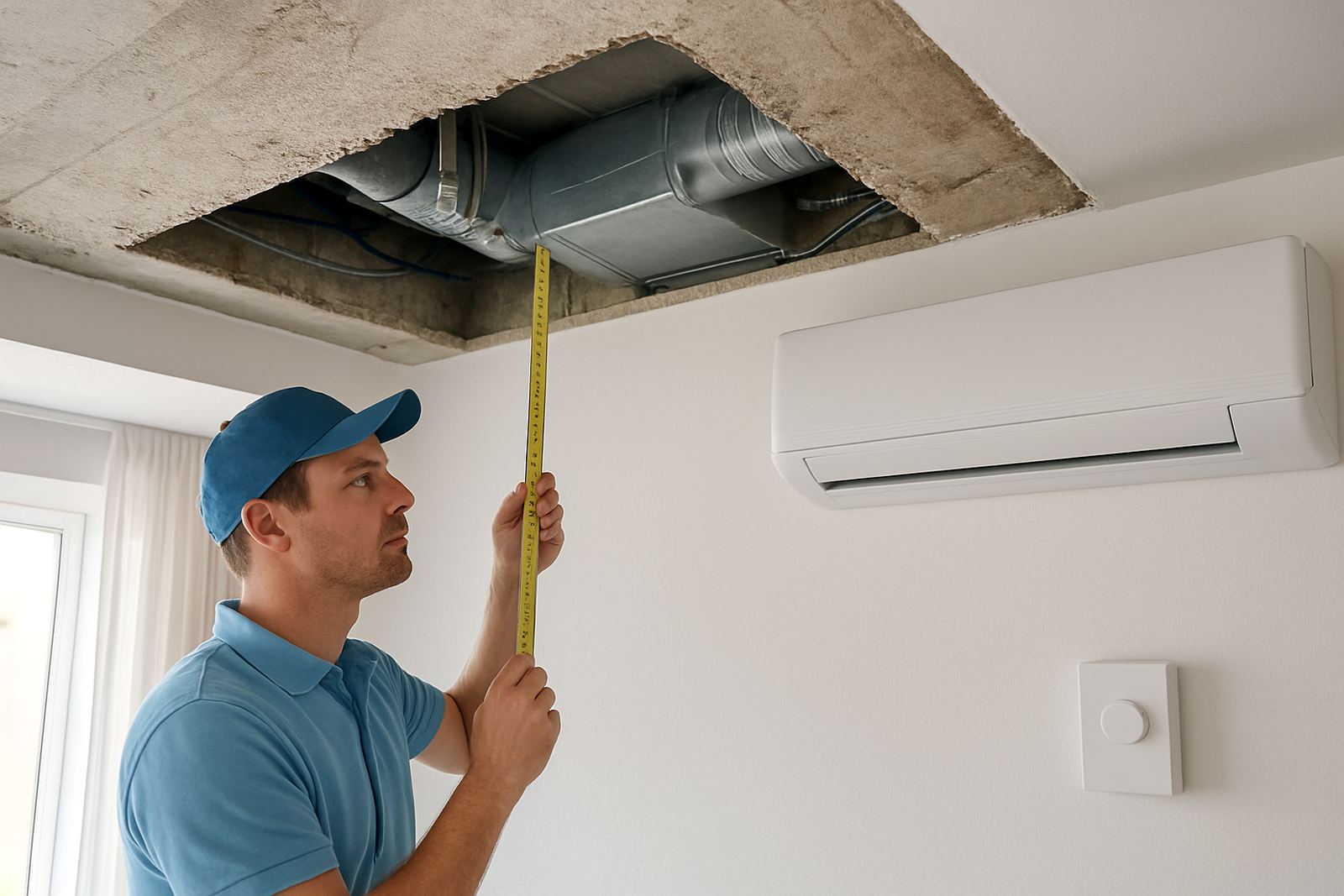
A recent office retrofit in Pretoria East had a long reception area, two private offices and a meeting room along one corridor. The original idea was to use the same outlet style everywhere, but that would have meant either weak throw in the reception or an overactive outlet in the smaller rooms.
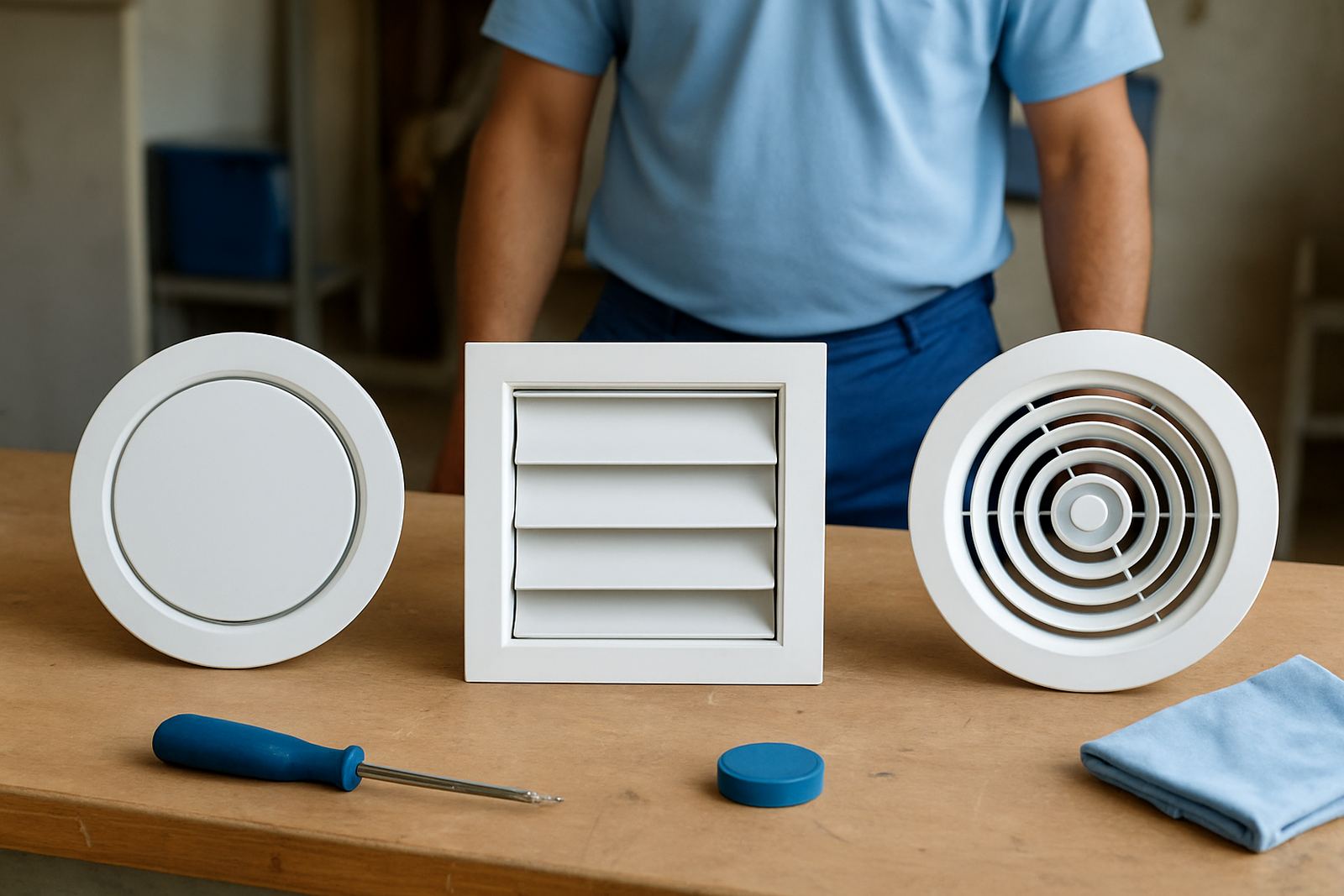
After the site assessment and load calculation, the reception was set up with linear diffusers to carry air along the length of the space. The private offices used square diffusers for even distribution, while the meeting room got a pair of outlets positioned to avoid direct airflow onto the table. Once the airflow was balanced and the controls programmed, the result was much steadier temperatures through the day.
The client also wanted a tidy ceiling finish because visitors see that area first. Using different outlet types where needed solved the comfort problem without making the ceiling look cluttered. It is a good reminder that diffuser choice is not about picking one style and repeating it everywhere, it is about matching the outlet to the room.
What to ask before you approve the diffuser schedule
If you are signing off a new ducted system or planning an upgrade, ask the installer to explain why each diffuser type was chosen. A proper answer should link back to the room size, the expected heat load and the airflow target. If the explanation sounds vague, the design may not have been checked properly.
- What air throw is required for this room
- Will the outlet create draughts where people sit or sleep
- Does the diffuser suit the ceiling height and shape
- Has the airflow been balanced after installation
- Can the system be serviced without damaging the ceiling finish
A good diffuser schedule makes the system easier to live with and easier to maintain. It also helps the air-conditioning work the way it was meant to, instead of forcing the occupants to adjust to a bad outlet choice.