Quiet Comfort For Many Separate Rooms
Luxury homes are usually not one open space. There are bedrooms, studies, pyjama lounges, wine rooms, media rooms, gyms, staff accommodation and double volume living areas, often all needing different temperatures at different times. Zoned air-conditioning lets each area be controlled properly, so you do not cool the whole house just because one bedroom needs a lower setpoint.
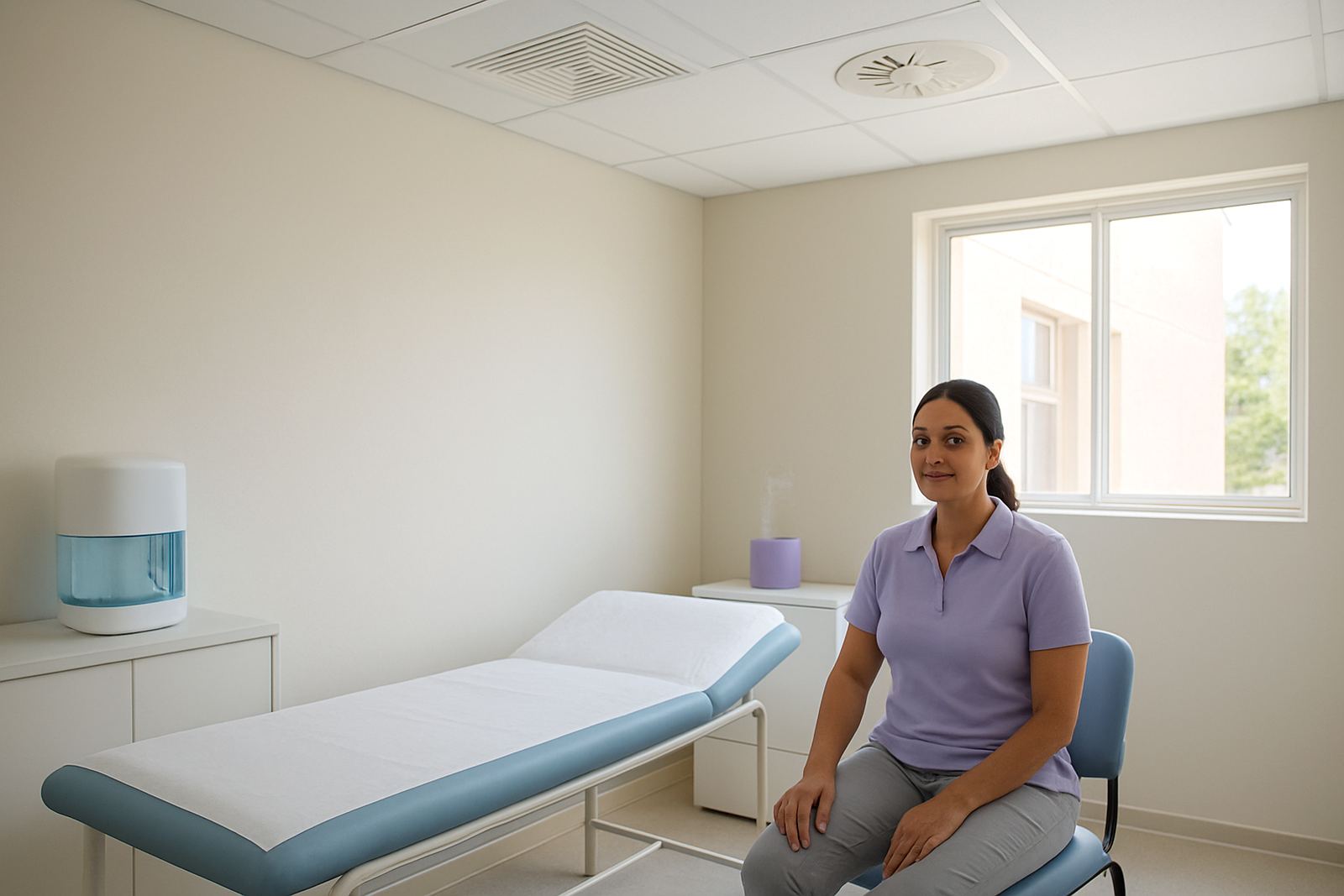
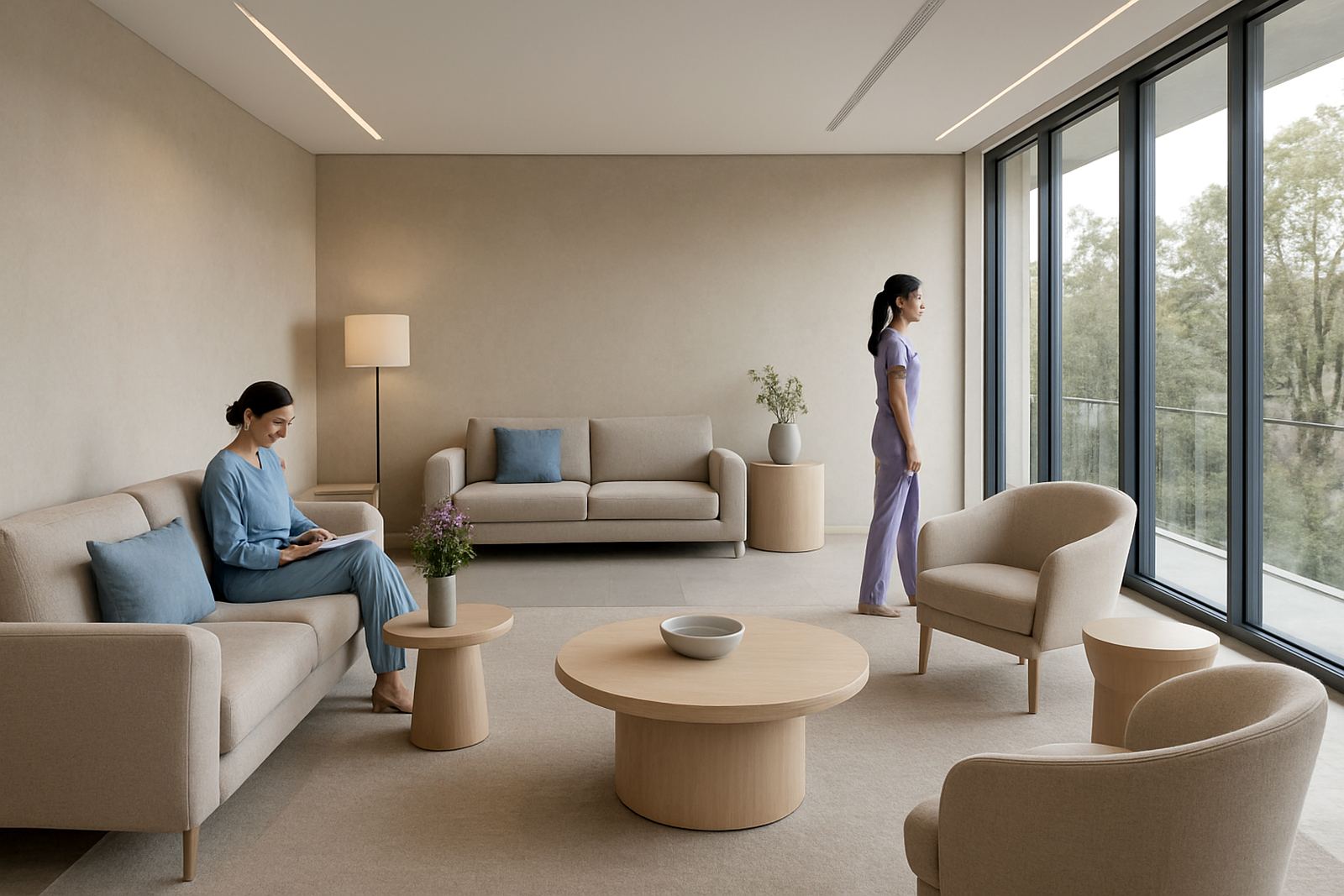
In Sandton, Pretoria East and similar suburbs we often work on homes where the owner wants very little visual clutter. That means discreet ceiling outlets, hidden ductwork where possible, and wall controls or smart thermostats that are neat and easy to use. The result is comfort without losing ceiling height or filling rooms with bulky visible units.
- Room by room temperature control
- Discreet ceiling grilles and outlets
- Better comfort in large or split level homes
- Lower waste when only some rooms are occupied
Typical Equipment Set For A High End Home
A well planned luxury home system normally starts with a correctly sized ducted indoor unit or a set of indoor units serving different zones. Each zone uses motorised dampers, which open or close to direct airflow where it is needed. Smart thermostats or zone controllers then manage the call for cooling or heating from each area.
For homes in Johannesburg and Pretoria, the indoor equipment and ducts must be planned around ceiling space, roof heat and access for maintenance. In older properties, retrofit work may need extra care around cornices, bulkheads and existing electrical routes. In new builds, it is easier to allow for return air paths, service panels and proper condensate drainage from the start.
- Ducted indoor units sized to the actual load
- Motorised dampers for room or zone control
- Smart thermostats with clear scheduling
- Return air, condensate drainage and access panels
- Insulated ducting suited to ceiling and roof conditions
How We Plan The Layout Before Installation
The planning stage matters as much as the equipment. We start with a site assessment and load calculations, because a luxury home with north facing glass, high ceilings and large sliding doors will behave very differently to a compact townhouse. The aim is to match the system to the building, not just to the number of rooms.
We look at how the family actually lives. Bedrooms may need quieter overnight settings, entertainment rooms may need faster pull down after the sun has been on the glass, and a guest wing may only be used occasionally. That is where zoning gives real value. It lets you cool the occupied areas without fighting the full house all day.
- Assess solar gain, ceiling height and insulation
- Separate private rooms from shared living areas
- Allow for future extensions or a pool house
- Plan service access for filters, motors and controls
In Johannesburg summer afternoons can put real strain on top floors, while Pretoria homes often need careful handling of long sunny facades. Good planning reduces hot spots, short cycling and the common problem of one room freezing while the next room still feels warm.
Common Mistakes In Premium Homes
One common mistake is fitting one large system and expecting it to handle every room the same way. That usually leads to noisy operation, uneven temperatures and poor control in rooms that face the sun. Another error is undersizing return air paths, which makes the system work harder and can create pressure issues behind closed doors.
We also see homes where the finishes were done before air-conditioning planning. Then the installer has to work around fixed ceilings, no access for maintenance and nowhere decent to run ducting. It can still be done, but it costs more and sometimes the end result is less neat than it should be.
- Do not ignore ceiling space and access hatches
- Do not assume every room needs the same air volume
- Do not leave controls in awkward or hidden positions
- Do not skip balancing, especially on multi zone systems
Another issue is poor humidity control in coastal style finishes, imported timber and sensitive materials. While Johannesburg is drier than coastal towns, many luxury homes still need stable conditions for art, wine storage and timber joinery. The system should be designed to keep the rooms comfortable not just cold.
Budget Ranges For Luxury Zoned Systems
For high end homes the budget depends on house size, number of zones, ceiling complexity and whether the work is part of a new build or a retrofit. As a broad guide, smaller premium homes with a few key zones may start around R180,000 to R280,000. Larger homes with several bedrooms, living areas and specialist rooms often sit between R300,000 and R650,000.
Very large properties, or homes with multiple wings, basement entertainment areas, staff accommodation and advanced controls, can move beyond R700,000. The final figure is shaped by duct runs, access, insulation requirements, electrical work and the amount of controls programming needed. It is better to price the full job properly than to underquote and compromise the result.
We give clear scope on what is included, from design and load calculations through to installation, airflow balancing and controls setup. That makes it easier to compare options and avoid surprises later on.
Maintenance And Seasonal Use In Gauteng Homes
Luxury homes are often occupied in bursts, with travel, guests and seasonal changes. That means the system needs to cope with periods of light use and then sudden full-house demand. Seasonal servicing keeps filters, condensate lines and dampers in good order, and helps catch small faults before they become expensive call outs.
For homes in Sandton, Randburg, Pretoria and Centurion, power interruptions and load shedding also need to be considered. Smart controls, safe restart settings and sensible zoning can help the home come back online in an organised way after an outage. It is also worth checking that the electrical supply to the system is protected and properly labelled.
- Clean filters and check airflow regularly
- Inspect dampers and controls before summer
- Test condensate drainage after long idle periods
- Review settings after load shedding or extended travel
When the system is maintained properly, the comfort stays predictable and the finishes around the ceiling remain neat. For premium homes, that consistency matters as much as the temperature number on the screen.