What This Outdoor Unit Does in a Zoned System
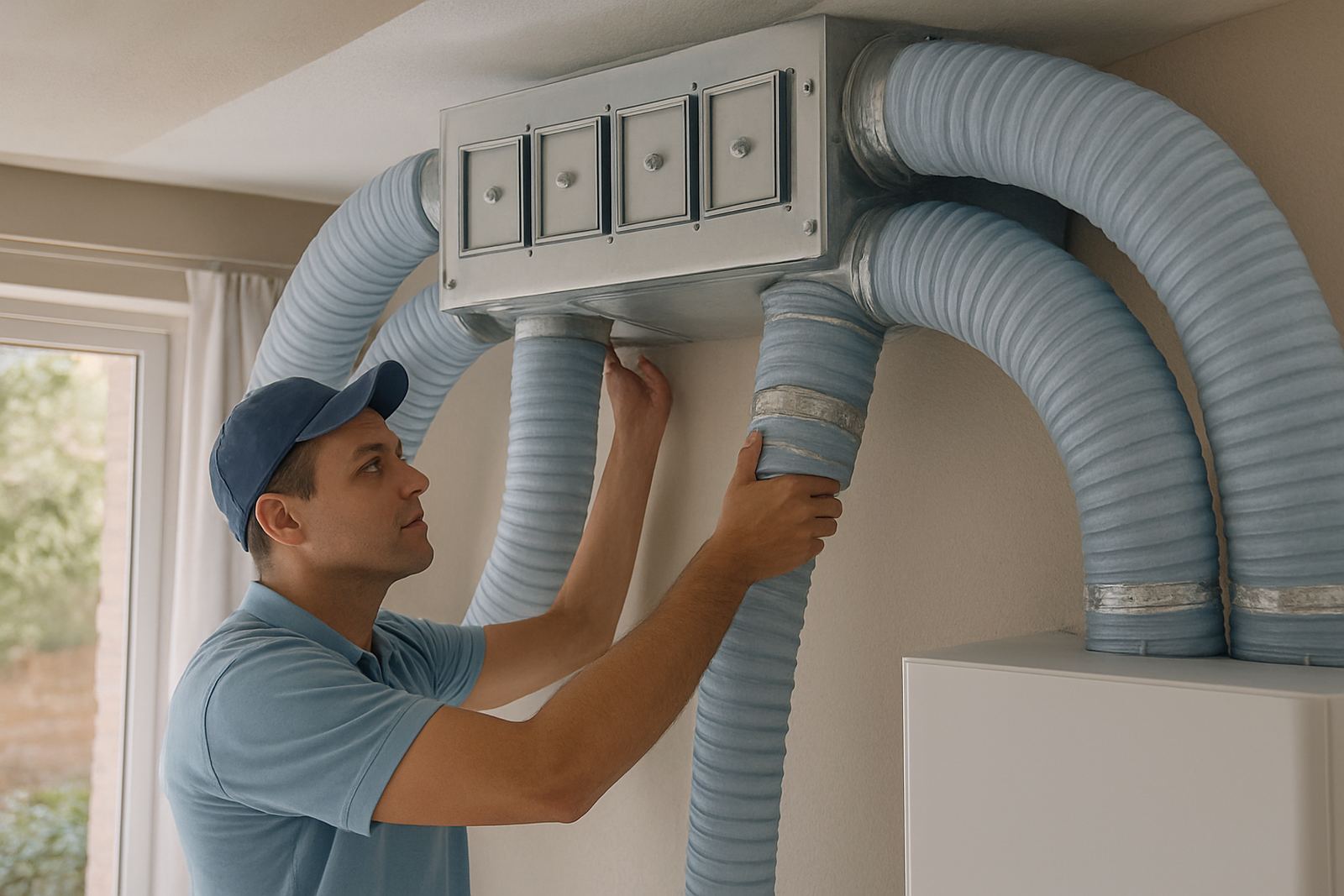
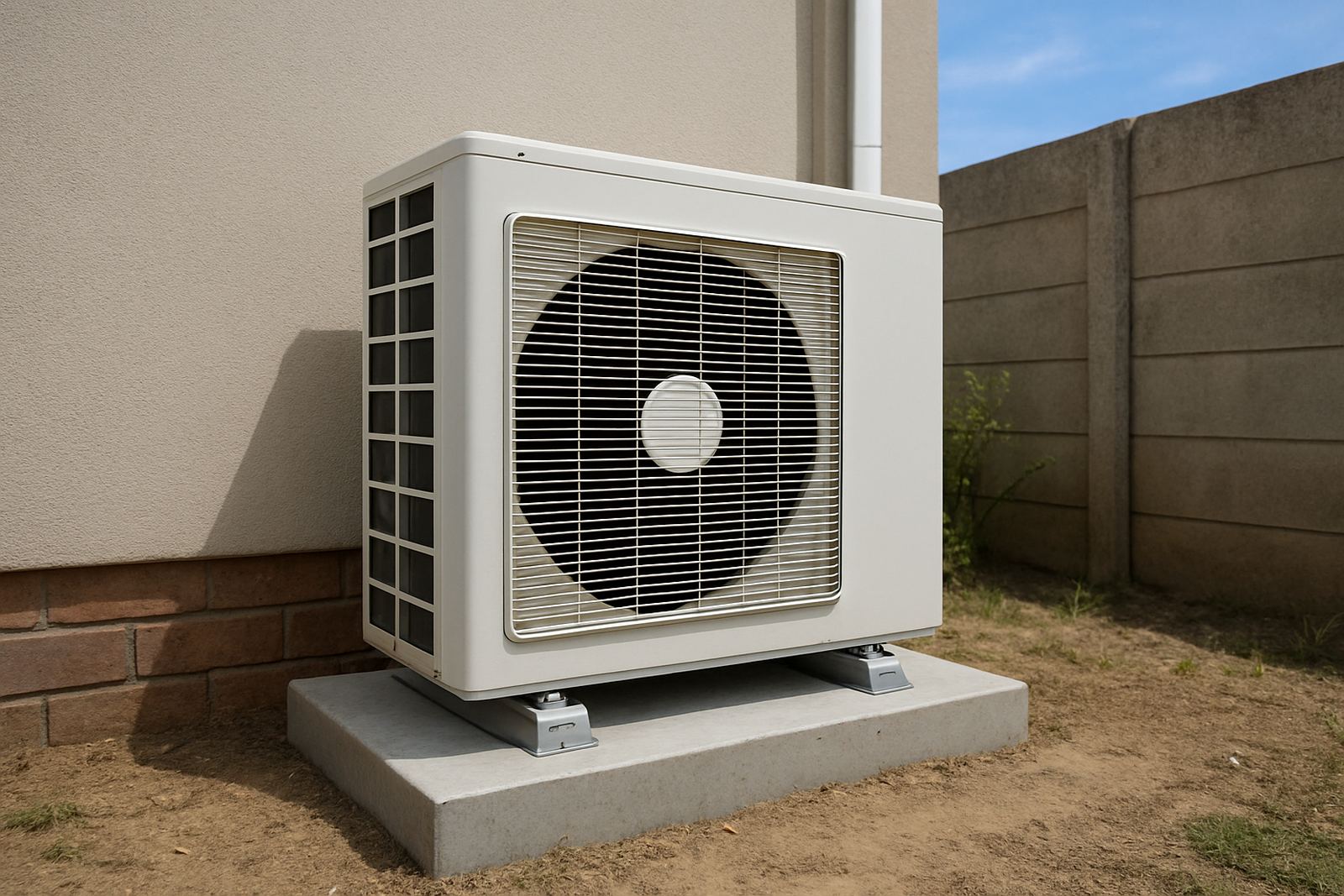
This is the outside section of a heat pump ducted system. It moves heat in or out of the air stream so the indoor ducted unit can distribute conditioned air through rooms on separate zones. With the right controls, one area can be kept warmer while another stays cooler, which helps in family homes, home offices and small commercial spaces.
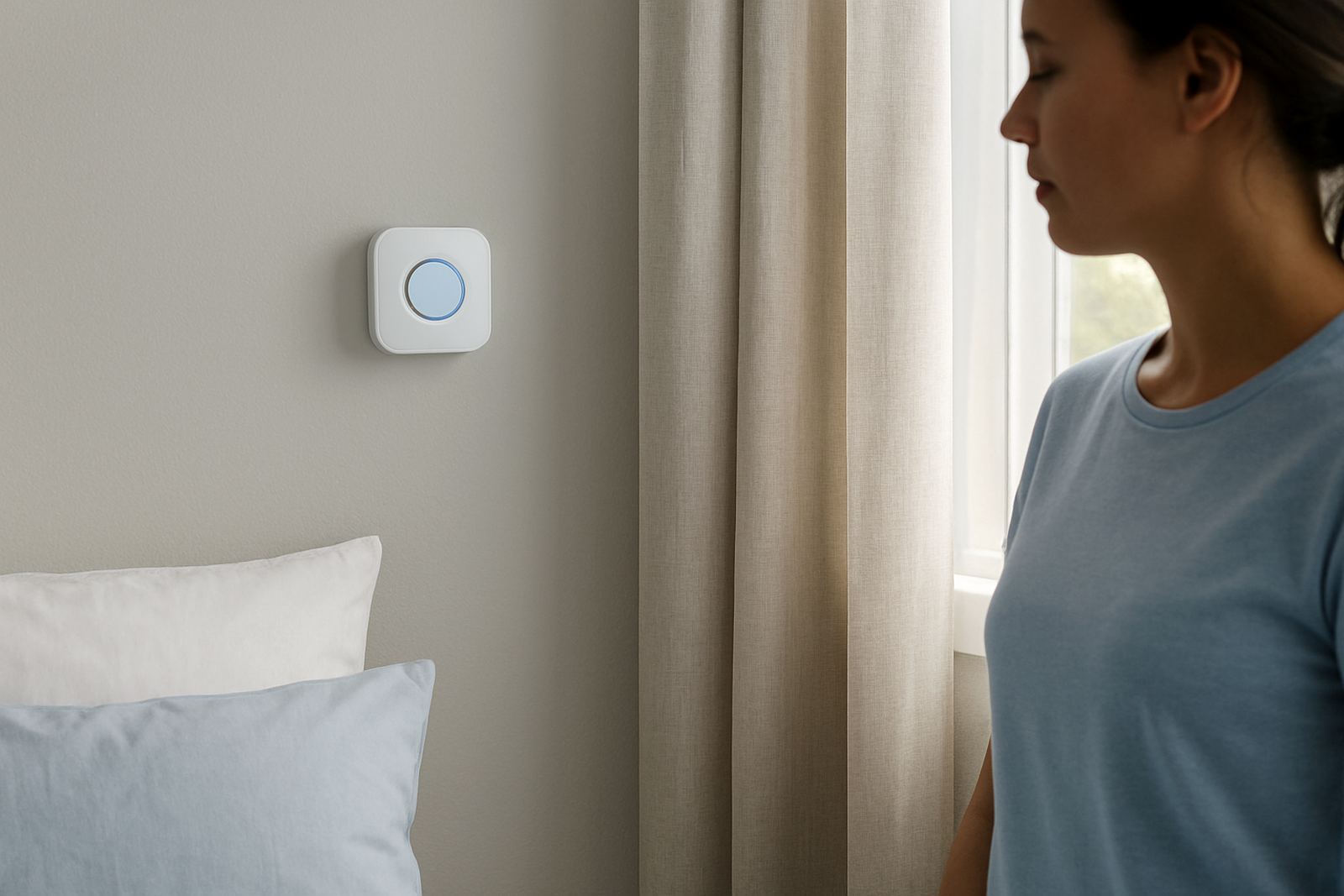
Unlike a simple fixed-temperature setup, a zoned system lets you match use to the space. A spare bedroom, boardroom or upstairs wing does not need the same treatment as a main living area every hour of the day. That is where dampers, thermostat placement and proper system sizing matter.
- Heating for winter mornings and cooler inland evenings
- Cooling for hot summer afternoons
- Separate control for occupied and unoccupied rooms
- Better comfort when the building has more than one use
Available Sizes and Common Configuration Choices
Heat pump outdoor units are selected to suit the total cooling and heating demand of the ducted system. The size is not chosen by floor area alone. Ceiling height, insulation, glazing, orientation, number of rooms, and how many people use the space all affect the final selection. A good design stops the unit from short cycling in mild weather or struggling on very hot or cold days.
For residential and light commercial work, common configurations range from smaller single-phase units for compact homes to larger three-phase units for bigger houses, offices and double-storey properties. In our region, many clients need a setup that can handle both strong summer heat and winter mornings without oversizing the plant room.
- Single-phase or three-phase supply options
- Compact outdoor footprints for tight side yards
- Higher-capacity models for large homes and offices
- Configurations matched to ducted indoor units and zone count
A practical selection also takes noise, service access and the available outdoor mounting position into account. In Sandton and Pretoria East, for example, space beside boundary walls can be limited, so the outdoor unit must fit neatly without causing neighbour complaints or maintenance problems later.
Where It Suits Best in Johannesburg and Pretoria
This type of outdoor unit suits new builds, major renovations and retrofit projects where ductwork already exists or can be added. It works well in family homes, executive apartments with service areas, offices, consulting rooms and reception spaces. Zoned control is useful when one section of the building is used all day and another only after hours.
In Johannesburg and Pretoria, it is also a sensible option for properties dealing with dust, winter temperature swings and the need to keep windows closed during peak heat or noise. Coastal humidity is less of a concern here, but outdoor placement still needs drainage, airflow and sun exposure considered. In some townhouse complexes the body corporate may also have rules for visible plant equipment, so positioning and screening must be planned early.
- Homes with upstairs and downstairs temperature differences
- Offices with meeting rooms, private offices and open-plan areas
- Renovations where ducts can be reused or upgraded
- Properties with limited window opening due to security or noise
Installation, Power and Building Requirements
Installation starts with a site assessment and load calculation. The outdoor unit needs enough clearance for air movement, access for service, and a solid base that will not settle over time. It should be positioned where condensate drainage, refrigerant piping and electrical isolators can be installed neatly. A poor location can lead to vibration, nuisance noise or hard-to-reach filters and panels later.
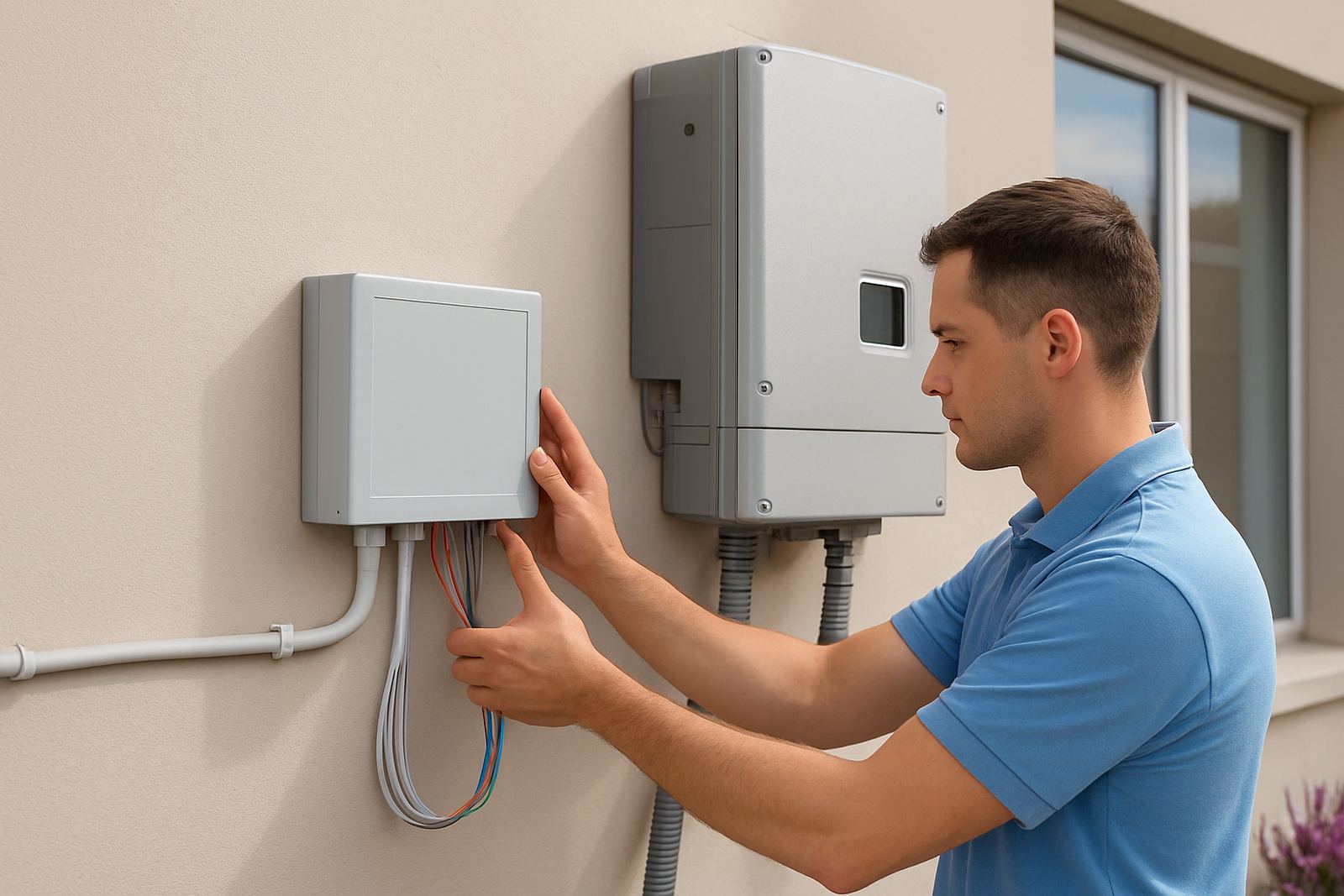
Power needs depend on the unit size. Smaller systems may run on single-phase supply, while larger homes and offices often need three-phase power. During load-shedding, the system will only perform as well as the backup power provision allows, so inverter capacity or generator compatibility should be checked before signing off the design. Where gas is used for a separate heating appliance, the heat pump should still be sized as the main heating and cooling source, not as a side fill-in.
- Correct electrical supply and breaker sizing
- Dedicated isolator and safe outdoor mounting base
- Refrigerant line lengths kept within maker limits
- Drainage and access planned before final fixing
For retrofit jobs, we check duct condition, return air capacity and damper layout before any equipment is ordered. That avoids a situation where the outdoor unit is right but the rest of the system cant carry the airflow it needs.
Servicing, Seasonal Care and Long-Term Performance
Heat pump outdoor units need regular care to keep airflow, efficiency and control accuracy in line. Seasonal servicing should include coil cleaning, electrical checks, refrigerant pressure checks, vibration inspection and confirmation that the zoning controls are responding correctly. Filters on the indoor side must also be kept clean, because a blocked return path can make the whole system work harder.
In Johannesburg dust build-up is common, and in Pretoria tree fluff and pollen can clog outdoor coils more quickly than many owners expect. If the unit sits against a boundary wall or under a roof edge, debris can collect around it and reduce heat transfer. A simple service plan helps avoid late-afternoon breakdowns when families are home or staff are still in the office.
- Clean outdoor coil and clear surrounding debris
- Check dampers and thermostat readings
- Test operation before winter and before summer
- Inspect for vibration, loose mounting and blocked drainage
With routine service, a well-selected unit can run for many years without drama. It also helps keep electricity use steadier, which is always useful when power costs keep rising.
What to Check Before You Order
Before ordering, confirm the exact building use, zone count and any future changes you expect. A home office added next year or a new boardroom layout can change the load enough to affect unit size. You should also check whether the building has space for duct routes, where the outdoor unit can sit, and whether noise limits apply near neighbours or in a sectional title complex.
We also look at the following points before supply and installation:
- Total area and ceiling height of the conditioned space
- Number of zones and how each area will be controlled
- Electrical supply type and available capacity
- Outdoor location, service access and drainage route
- Any body corporate, municipal or landlord restrictions
- Whether the system is new build or retrofit
If the job is a retrofit, we check whether the existing ducts can carry the airflow or need resizing. If the job is new, we coordinate the design with the builder early so the outdoor unit, indoor unit and controls all land in the right place first time. That saves rework, and it keeps the finish neat.
How Airzone Handles the Full Job
Our team covers site assessments, system design, load calculations, retrofit installations, new build installations, controls programming, airflow balancing, seasonal servicing, fault finding and system upgrades. In practice that means one point of contact from design through to commissioning and after-sales support. Ian Mokoena heads the business from Johannesburg, with service across Pretoria, Centurion, Sandton, Randburg and Pretoria East.
For many clients, the value is in getting the outdoor unit matched properly to the ducted system and zoning controls, not just supplied as a box on its own. Naledi van Wyk manages operations, Kagiso Dlamini handles HVAC design, Reece Naidoo supervises installation, Ayanda Khumalo coordinates service and Megan Pretorius supports customers after handover. That setup keeps the process orderly and saves time on site.
If you need an outdoor heat pump unit for a zoned ducted system, we can assist with the full specification and installation details, then make sure the system is balanced and ready for daily use.
Key facts
| Product type | Outdoor heat pump unit for ducted heating and cooling |
|---|---|
| System use | Supports zoned room-by-room control through dampers and thermostats |
| Common supply | Single-phase or three-phase, depending on capacity |
| Typical application | Homes, offices, consulting rooms and renovated properties |
| Installation needs | Solid base, electrical isolator, refrigerant piping and drainage |
| Service interval | Seasonal servicing recommended, with checks before winter and summer |