Why meeting rooms get stuffy so quickly
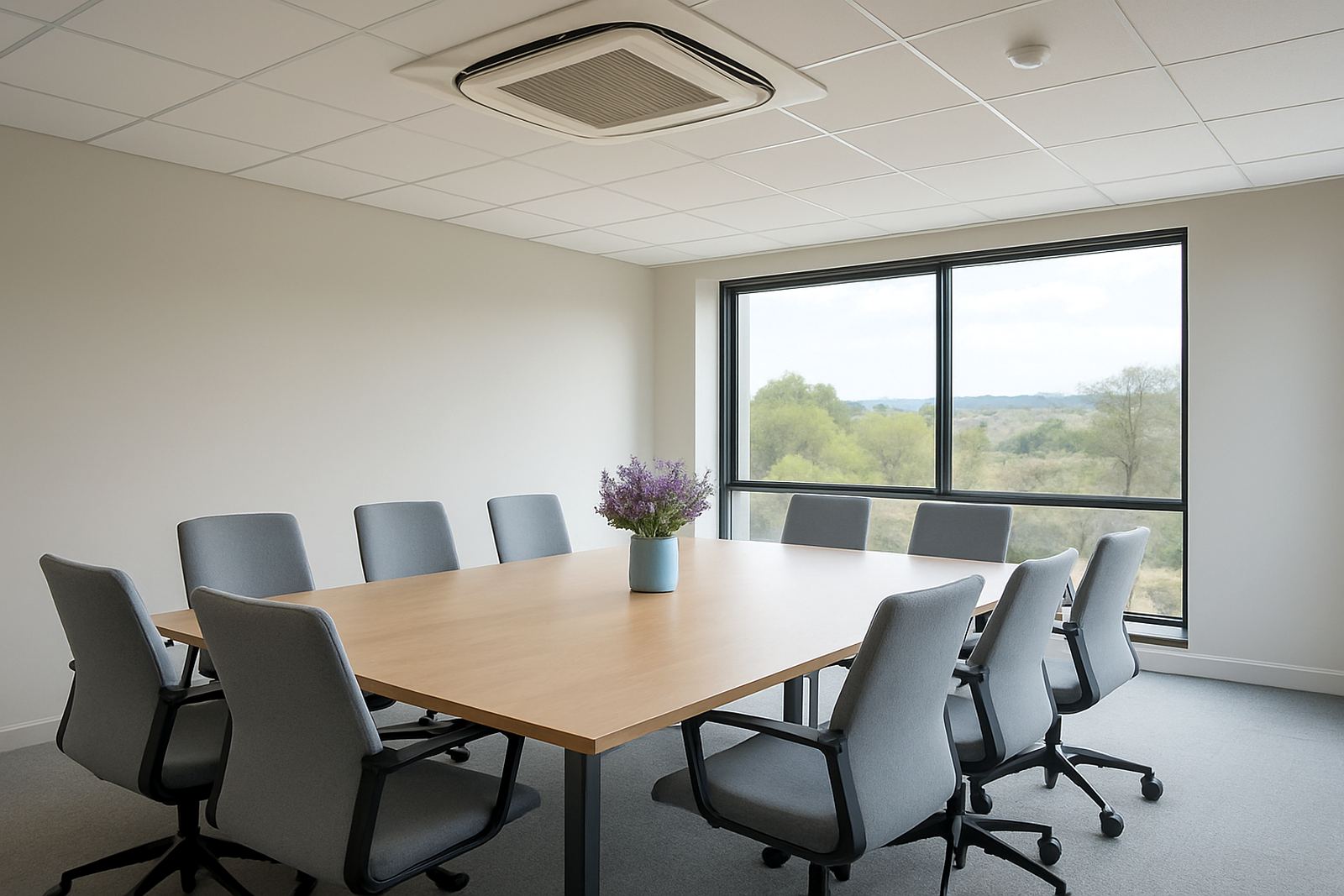
Most meeting rooms are smaller than the number of people using them on a busy day. Eight or ten adults talking, moving around, and sitting for an hour can push CO2 levels up fast, especially if the room only has recirculated air or the doors stay closed. The result is that flat, tired feeling people notice but cannot always explain.
In offices around Sandton, Randburg and Pretoria East, we often see the same pattern. A room feels fine at 8 am, but by 10 am the air is heavy, people start opening the door, and concentration drops. It is not just comfort. When CO2 rises, people often report headaches, drowsiness, and poorer attention, which affects the quality of meetings and decisions.
What CO2 readings tell you about ventilation
CO2 is useful because it gives a practical signal of how much stale exhaled air is building up in a space. It does not mean the room is dangerous at every high reading, but it does tell you that fresh air is not arriving fast enough for the number of occupants. That makes it a good guide for meeting rooms, boardrooms and training rooms.
As a working rule, lower readings usually mean better air for longer sessions. When a room climbs too high, the thermostat and air-conditioning may still be keeping the temperature comfortable, but the air can remain stale. This is why temperature alone is not enough. A room can be cool and still feel unpleasant after 45 minutes of use.
- Low readings usually mean the room is getting enough outside air for the current occupancy.
- Rising readings during a meeting suggest the fresh air rate is too low.
- Repeated high readings point to a system setting, ducting issue or room layout problem.
How zoned air-conditioning helps in boardrooms and conference spaces
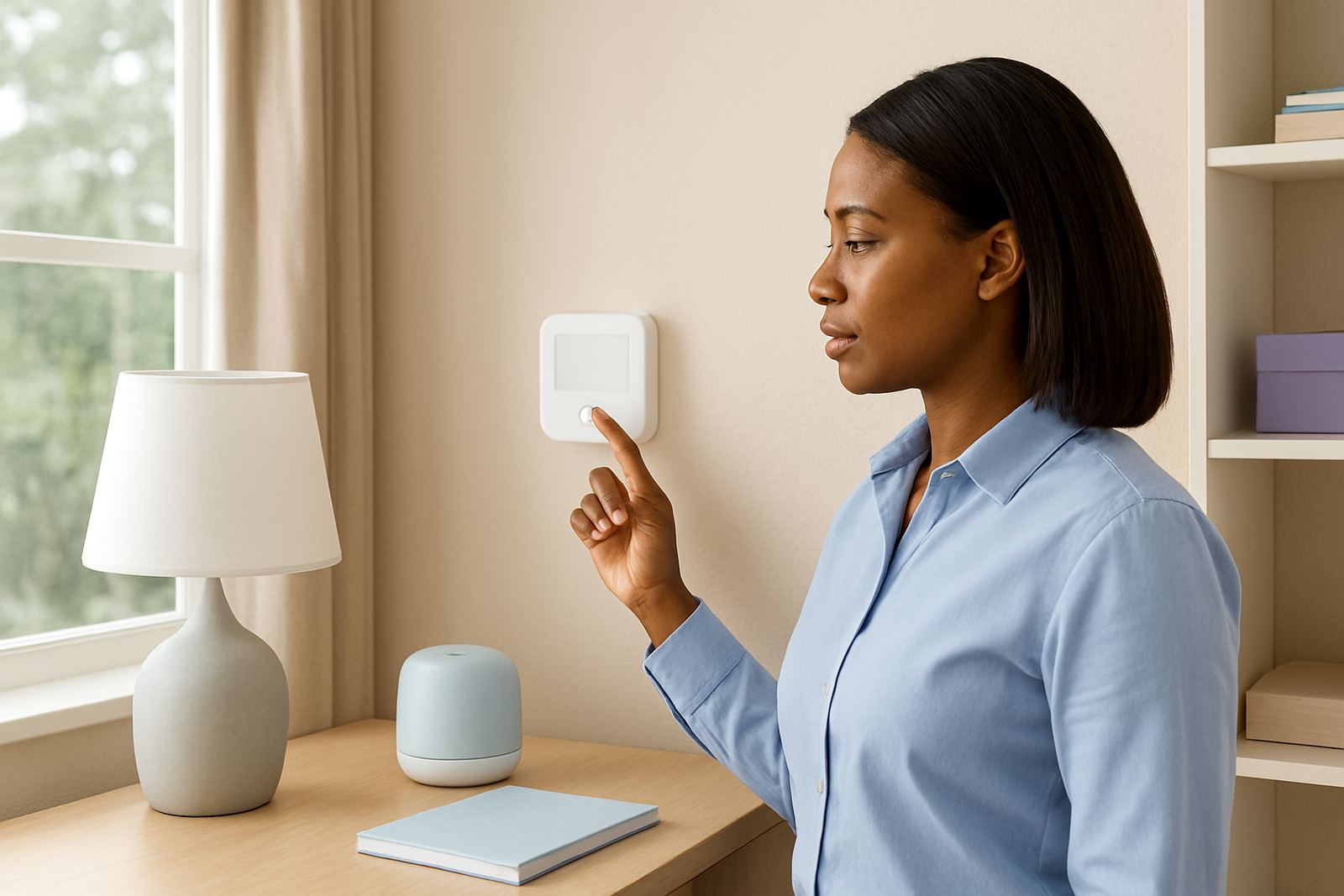
Zoned systems are useful because they let different rooms be controlled on their own instead of treating the whole office the same. A meeting room used by twelve people does not need the same airflow as a quiet admin area or an empty passage. With room-by-room dampers and smart thermostats, airflow can be adjusted to match real use.
That matters in South African offices where load-shedding, mixed building occupancies and changing room use all complicate comfort. If a meeting room in Centurion is used for client calls in the morning and internal sessions after lunch, the ventilation demand changes through the day. Good zoning helps the system respond properly rather than running too hard in one room and too soft in another.
For fitted offices, we often pair CO2 monitoring with control changes that improve fresh air delivery without making the room cold or noisy. The aim is steady comfort, not a blast of air every time the room fills up.
Practical CO2 targets for everyday office use
There is no single number that suits every building, but office teams need a sensible range to work with. The useful part is not chasing perfection, it is spotting when a room is drifting too high and acting before people start feeling it. If the room regularly reaches high levels in normal use, the ventilation rate should be checked.
For a meeting room in Johannesburg with poor cross flow and a solid door, you may see readings rise more quickly than expected. In a newer Pretoria office with better outside air provision, the same room size might stay comfortable for much longer. Building age, occupancy, duct size and window use all affect the result, so the monitoring should be read in context.
- Check the reading before the meeting starts so you know the starting point.
- Watch how fast it rises during the first 20 to 30 minutes.
- Compare readings between similar rooms to find which space needs attention.
- Look at occupancy patterns, not only the air-conditioning settings.
A local example from a busy office in Johannesburg
A compact boardroom in Johannesburg was being used for team catch-ups, client meetings and monthly planning sessions. Staff complained that it felt stuffy by mid-morning even though the temperature was set correctly. The room had a decent-looking air-conditioning unit, but the issue was air movement and occupant load, not cooling power.
After a site assessment, the room was checked for airflow balance and the controls were adjusted so the system responded better when the room was occupied. The team also began monitoring CO2 levels during meetings. It became clear that the room was being used for longer sessions than it was designed for, and the readings rose quickly when more than six people were seated inside. Once that was understood, they changed room use, improved ventilation settings and the space felt better within days. A simple fix can save a lot of grumbling.
What to do when CO2 keeps climbing
If readings stay high in a meeting room, the answer is not always to buy more cooling capacity. First check whether the room is being overfilled, whether the door stays shut, and whether any fresh air path is blocked. Then look at the ducting, dampers, thermostat settings and air balance. In many offices the system is technically working, but it is not set up for the way the room is actually used.
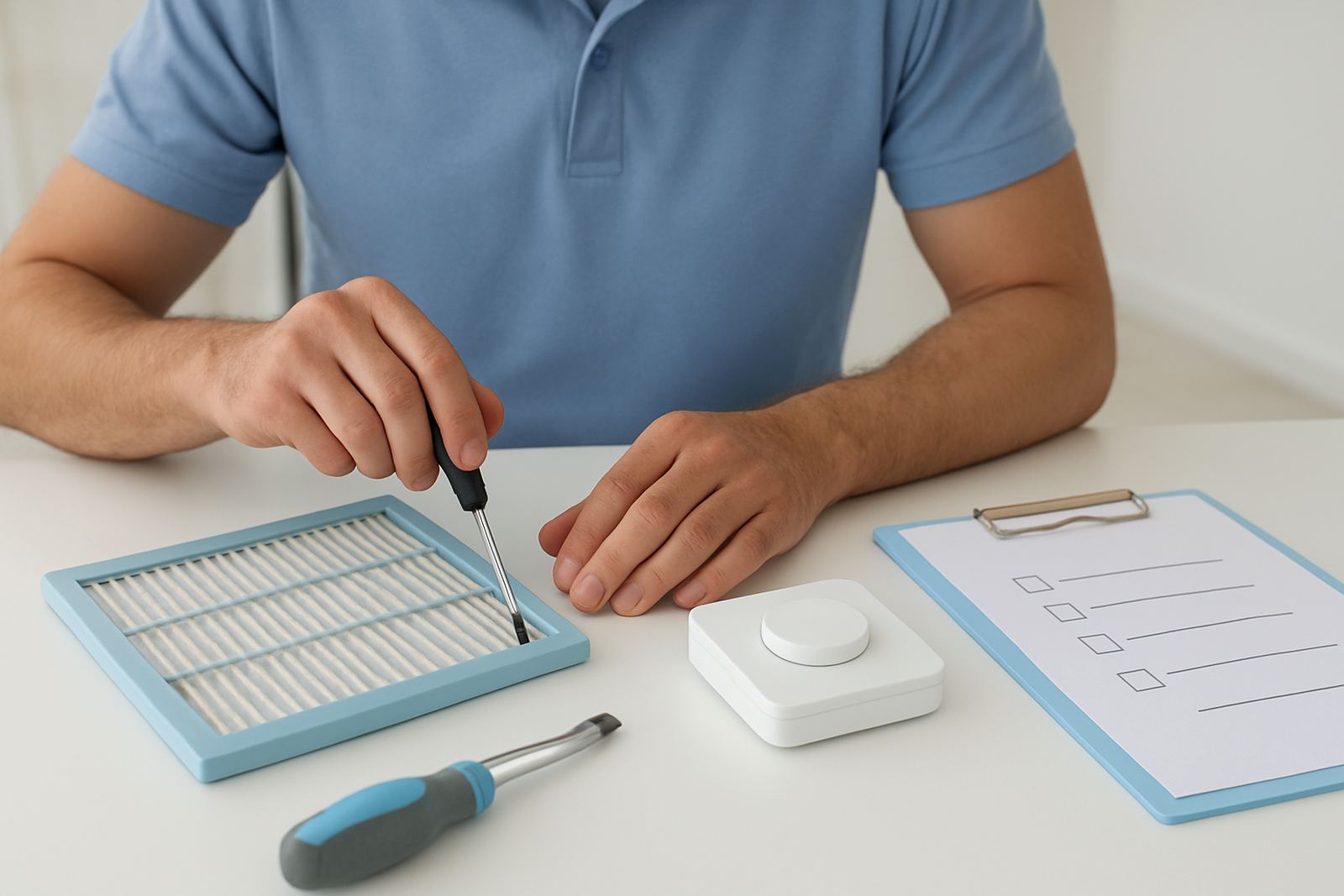
For commercial spaces in Pretoria and Sandton, we often recommend a combined approach: better monitoring, proper airflow balancing, and seasonal servicing to keep dampers, filters and controls working as intended. In older buildings, retrofitting the controls can make a noticeable difference without replacing the entire system.
- Review occupancy limits for the room.
- Test damper positions and airflow balance.
- Check that seasonal servicing has been done.
- Confirm that the thermostat is not only sensing temperature, but also responding to room use.
Making meeting rooms easier to use every day
CO2 monitoring is useful because it gives office managers something practical to work with. Instead of guessing why a room feels uncomfortable, they can see whether ventilation is keeping up. That helps with meeting length, room bookings and the long-term performance of the air-conditioning system.
For businesses in Johannesburg, Sandton, Randburg, Pretoria, Centurion and Pretoria East, the value is straightforward. Better air in meeting rooms means fewer complaints, more alert staff, and less strain on the system during busy periods. It also supports smarter decisions during upgrades or new build planning, especially where room use changes from one day to the next.
When meeting rooms are monitored properly, the air feels fresher, the space is easier to use, and the team spends less time opening doors and wondering why the room feels off.