Why showroom conditions change so fast
A showroom is not like a plain office. Big glass fronts pull in solar heat, doors open all day, and lighting, computers and product equipment all add load. In Sandton and Pretoria East, a north or west facing façade can swing a room from cool in the morning to stuffy by mid afternoon. If the same system serves the display floor, back office, kitchenette and storeroom, one area is always too cold or too warm.
That is where zoning helps. Ducted air-conditioning with room-by-room dampers and smart thermostats gives you separate control over the public display area and support rooms. You can keep the showroom steady for customers, while turning down the load in low use areas after hours or during quieter trading periods.
- Glazed front areas with high solar gain
- Boardrooms and private offices that need less cooling than the floor
- Staff kitchens and stores that must not steal capacity from customer areas
- After-hours security and cleaning use without running the full system
Typical equipment for a zoned showroom fit-out
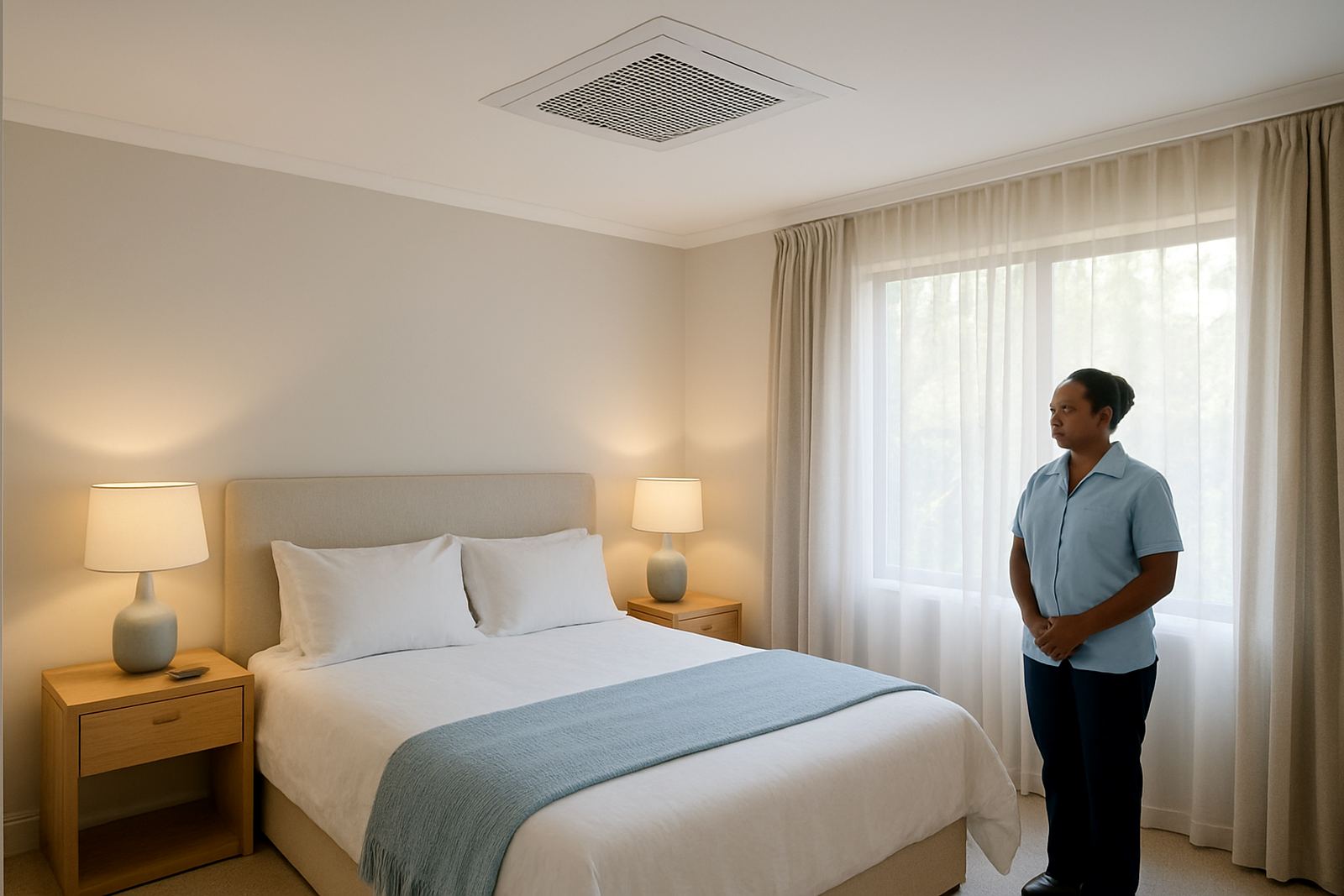
Most showroom jobs use a ducted indoor unit hidden above the ceiling, with insulated ducting to different zones. Each zone gets its own damper, thermostat and control logic so airflow opens only where it is needed. In a small showroom in Randburg, that may mean two zones only. In a larger car, tile, furniture or appliance display space, there may be four or five zones plus a separate office circuit.
We usually start with site assessments and load calculations, then match the system to the actual glass area, ceiling height and occupancy. A good design also considers noise, because customers do not want a loud fan running over sales conversations. Controls programming is important too. If the back office runs on a different schedule from the floor, the system should know that from day one.
- Ducted indoor units sized to the actual heat load
- Motorised dampers for each zone
- Smart thermostats with local scheduling
- Return air paths planned to avoid hot spots
- Optional fresh air handling where occupancy is high
Planning the layout before you buy equipment
Before any installation, the air paths need to be mapped properly. A showroom with tall display shelving or hanging signage can trap warm air above the customer zone. If the return air point is badly placed, the system reads the room as cool while people below are sweating. That is a common mistake in new build shops and retrofit projects alike.
In Johannesburg and Pretoria, we often find that the best result comes from separating the front of house from the support rooms right at design stage. If the building is still going up, it is easier to size ducts, set return grilles and allow for access panels. In a retrofit, we work around existing ceilings and lighting but still keep service access clear for seasonal servicing and future fault finding.
- Keep return air away from direct sun patches and entry doors
- Do not overcool the showroom to fix one hot corner
- Allow access to dampers and filters for maintenance
- Check ceiling space before selecting duct sizes
- Plan for load-shedding recovery, because restart behaviour matters
Common mistakes that cost showrooms money
A lot of showroom owners ask for a bigger unit when the real issue is zoning. If a staff room, finance office and display hall all share one thermostat, someone is always adjusting it. That leads to complaints, wasted power and poor customer comfort. Another mistake is ignoring glass treatment and shading. Even a good system will struggle if direct sun pours onto one side of the floor all afternoon.
We also see systems installed without proper airflow balancing. The nearest zone gets all the air and the far end of the showroom feels dead. Once the dampers are set, each zone must be tested and balanced on site. In humid coastal-type conditions this matters even inland, because stale air and moisture build-up can make a showroom feel heavy, not just warm.
- One thermostat for too many different spaces
- Undersized return air paths
- Poor insulation above the ceiling
- No allowance for future tenant changes
- Skipping commissioning after the install
Budget ranges for showroom zoning in Rand
Budget depends on ceiling access, number of zones, duct runs and whether it is a retrofit or a new build. For a smaller showroom with two zones, you can usually expect a starting range around R95 000 to R160 000 for equipment and installation. A mid-size space with three to four zones, smarter controls and more ducting often sits between R160 000 and R320 000. Larger display floors with office, store and separate customer areas can move beyond R320 000 depending on complexity.
It is worth budgeting for controls programming, airflow balancing and a proper handover. Those items are not extras in a practical sense, they are part of getting the system to work day after day. For existing sites in Pretoria or Sandton where ceilings are already closed, retrofit installation may add labour and access costs. New build projects usually save money on hidden duct work and future maintenance access.
What our team checks during a showroom assessment
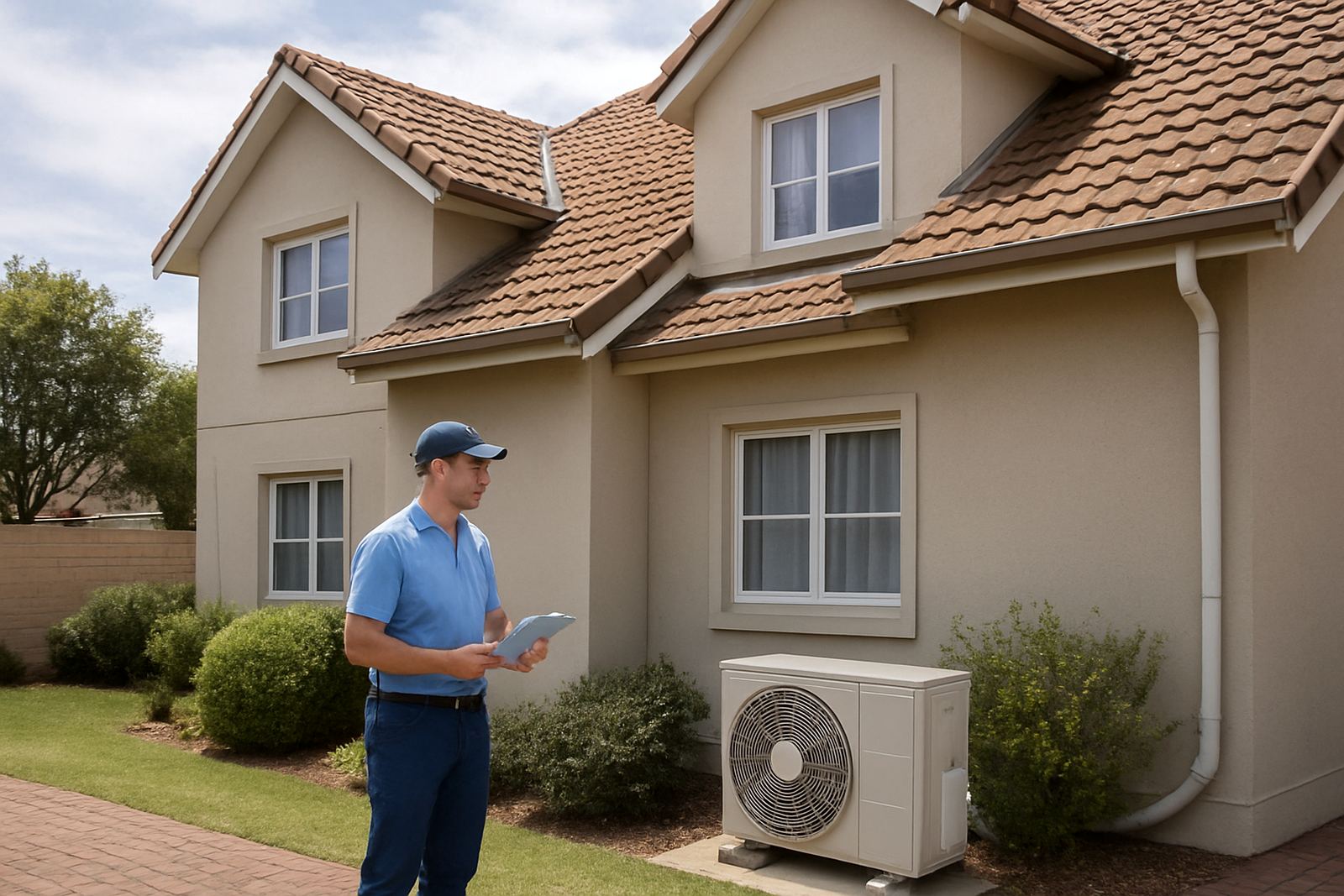
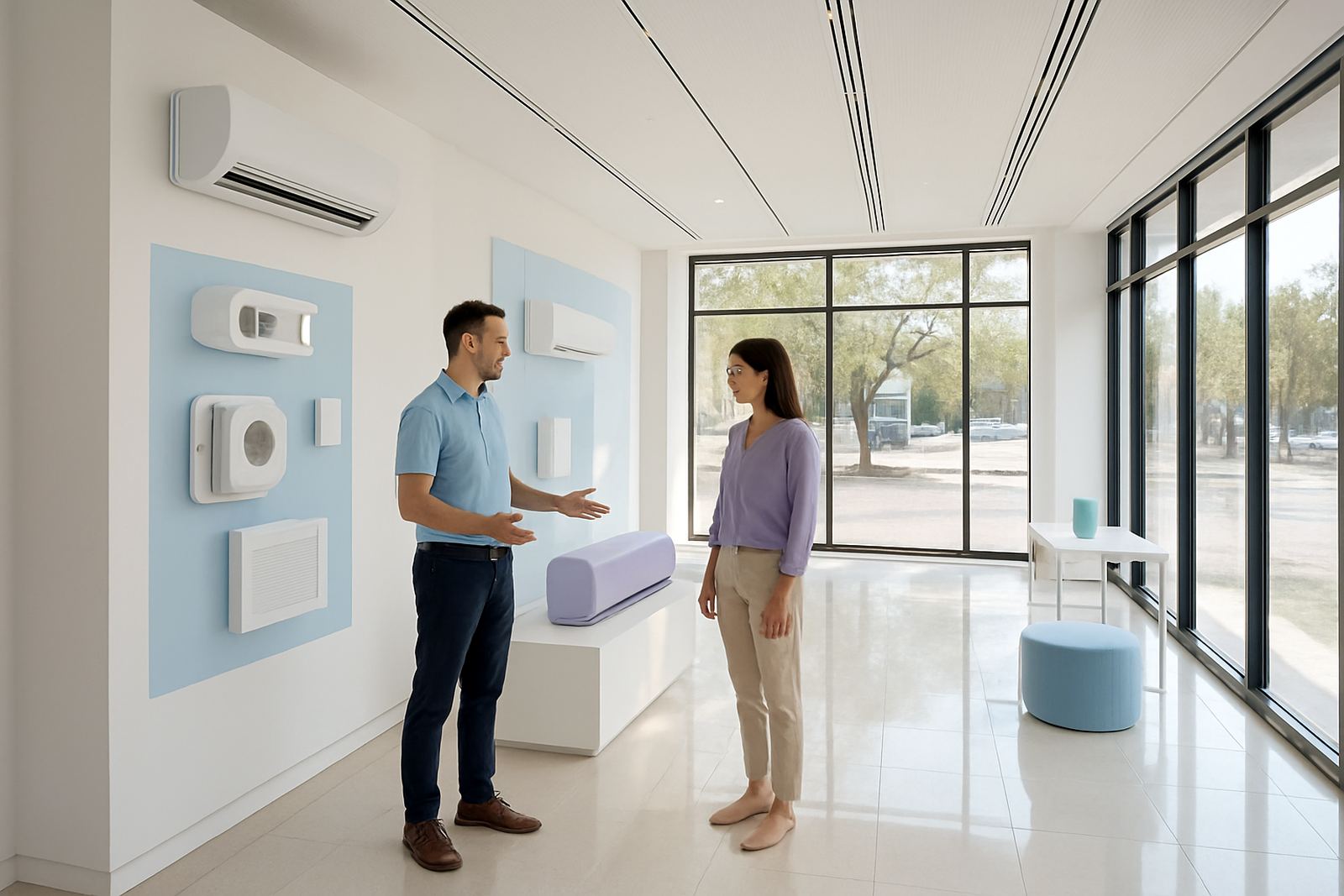
Every showroom starts with a site visit and a conversation about how the space is used. We look at the front glazing, ceiling height, occupancy, trading hours and whether there are separate offices or stock rooms. Then we measure the load, map the zones and work out where each thermostat should sit. If the area is busy during the day but quiet after 5 pm, the controls should reflect that pattern.
Our Johannesburg team covers Sandton, Randburg and the wider metro, with Pretoria and Centurion support as well. Ian Mokoena oversees the work with the operations, design and installation team so the handover is clear and practical. The goal is simple: steady comfort on the floor, better control in support rooms, and fewer complaints when the sun shifts or load-shedding interrupts normal trading.
- Site Assessments and Load Calculations
- System Design and Retrofit Installations
- New Build Installations and Controls Programming
- Airflow Balancing and Seasonal Servicing
- Fault Finding and System Upgrades