Why salons and spas need separate temperature control
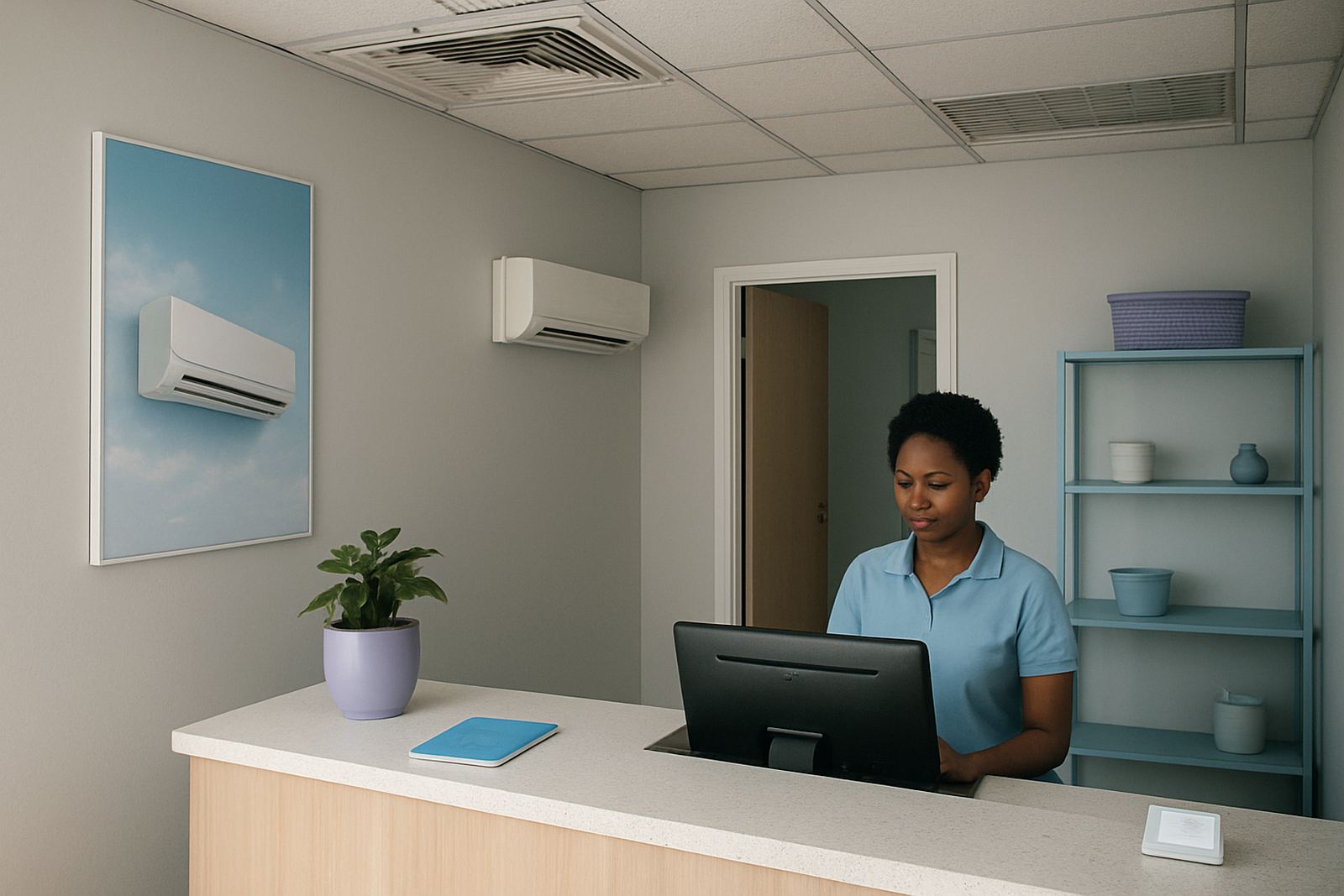
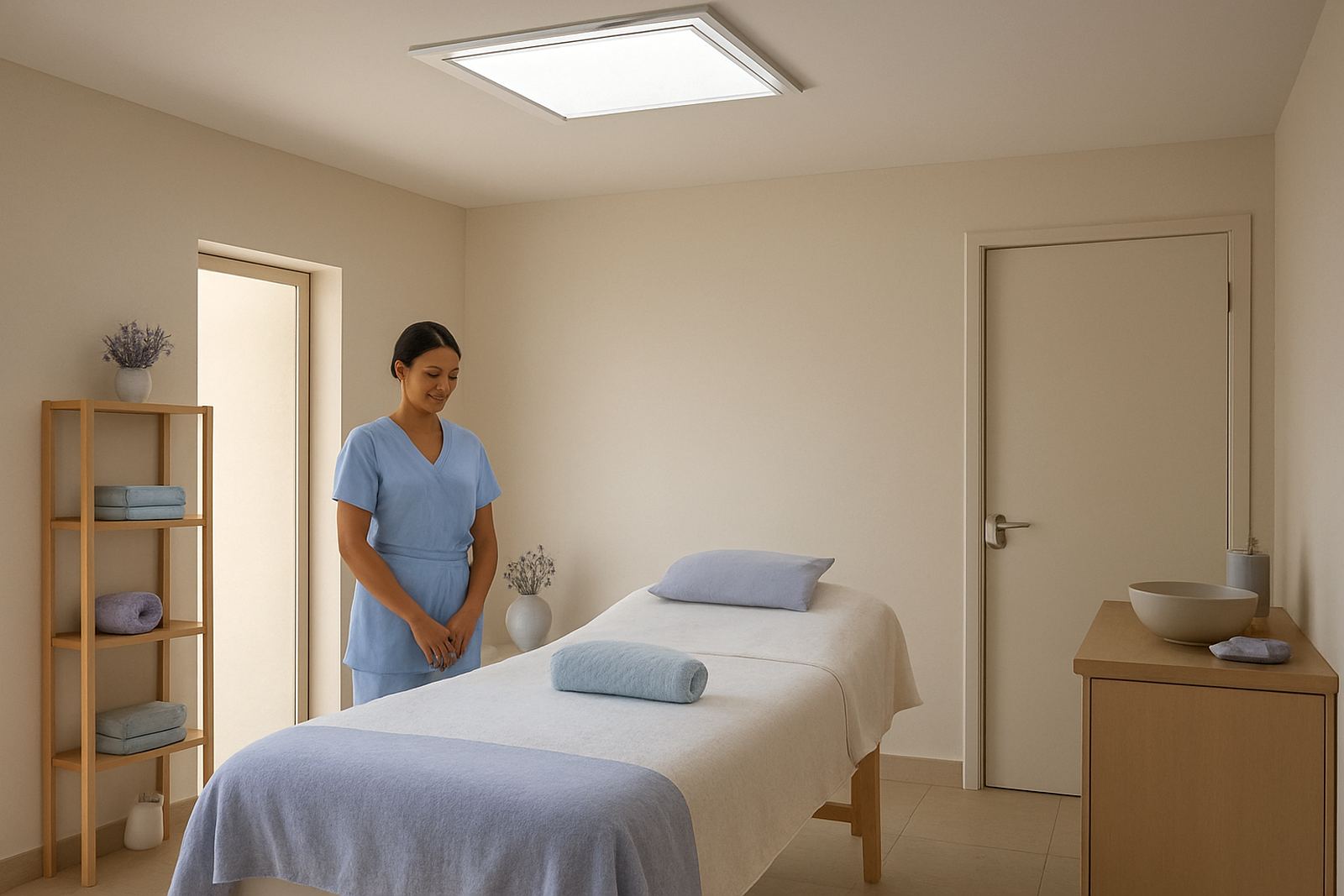
A salon is not one space with one load. The front reception may be full of arriving clients, the colour bar can run warm, treatment rooms need a quieter cooler setting, and a massage room often works best a little warmer than a nail station. With zoning, each area gets its own damper and thermostat so the system only sends air where it is needed.
That matters in Johannesburg and Pretoria where morning cold, midday sun and afternoon heat can all show up in the same day. It also helps when one room is booked solid and another is empty. You are not paying to cool an unused room, and staff do not keep opening doors trying to fix comfort by hand.
For salon owners, the main value is consistency. Clients notice when a treatment room swings from chilly to stuffy, and therapists work better in a stable room. The system can also be set so a back room or storeroom does not drag the whole site down if there is a bad heat spot.
Typical equipment that changes the cooling load
Most salons and spas carry more heat than people expect. A small site can still have several dryers, wash basins, wax warmers, sterilisers, fridges, towel cabinets and hot water use happening at once. In some Pretoria East and Sandton sites the glass frontage adds another layer of gain, especially when the sun lands on the shopfront after lunch.
- Hair dryers, straighteners and colour processing stations
- Steam rooms, spray tanning and wash areas
- Massage rooms, nail bars and facial rooms with lower airflow needs
- Retail shelves and waiting areas near the entrance
- Staff rooms and laundary or linen prep spaces
The trick is not to oversize the system for the hottest moment and then live with short cycling the rest of the day. A proper load calculation looks at the rooms separately, their use patterns, ceiling height, glass, insulation and how often doors open. That keeps the system sized for real use, not guesswork.
Planning zoning around the salon layout
Good planning starts with how people move. Reception, styling stations and retail areas usually need one control zone, while treatment rooms can be split into smaller zones by room or by cluster. In larger premises, a quiet back-of-house zone for laundry, cleaning and staff is worth having too.
We usually look at duct routes, ceiling access, return air points and where the thermostats will read accurately. A thermostat should not sit above a hot lamp, near a doorway or where direct sun skews the reading. In compact sites, even a metre or two of duct position can make a real difference, so layout is worth sorting before ceilings are closed.
For new builds in Johannesburg or Centurion, zoning is easier when planned early with the electrician and ceiling contractor. For retrofits, we work around existing bulkheads and services, then decide where dampers can be added without causing noise or hard-to-service bends.
- Put the noisiest plant away from treatment rooms
- Keep supply air out of direct line with client chairs
- Allow access panels for dampers and filters
- Separate glass-fronted areas from internal rooms where possible
- Plan for future room changes before the fit-out is complete
What often goes wrong in salon installs
A common mistake is using one thermostat for the whole premises. That means the cooler treatment rooms get overcooled just to satisfy the warm front area. Another issue is poor airflow balancing. If one room gets too much air and another too little, staff end up taping vents, closing grilles or running portable units on top of the ducted system.
We also see systems put in without thinking about humidity. Coastal moisture is less of a daily issue in Gauteng, but steam rooms, washing and frequent mopping still add moisture indoors. If the system is not set up to handle it, the space can feel clammy even when the temperature reads fine. In some cases the answer is not more cooling, it is better fresh air control and proper balancing.
Load-shedding is another real factor. When power returns, a zoned system should come back in a controlled way, not all dampers snapping open at once. Controls programming can stagger the restart and protect the compressor. That keeps recovery cleaner after an outage and reduces nuisance trips.
Retrofit work for occupied salons and spas
Many salon owners cannot close for a long install, so retrofits need careful phasing. We can often work after hours or over quieter trading days, starting with the ceiling route, then the duct sections, dampers and controls. Where there is an existing central plant, the upgrade may be limited to adding zoning, better balancing and smarter thermostats rather than replacing everything.
For occupied spaces, dust control matters. Hair, nails, towels and retail stock all need to stay clean during the job. It also helps to plan around appointment peaks. In Sandton and Randburg, that may mean early starts before opening. In Pretoria CBD and Pretoria East, it may mean smaller staged work across more than one visit.
Our team handles site assessments, system design, load calculations, retrofit installations and controls programming. That gives one point of contact from first visit to handover, which saves a lot of back and forth when a fit-out has already been disrupted once.
Budget ranges for zoned comfort in Rand
Costs depend on room count, ceiling access, duct lengths, control complexity and whether there is an existing system to adapt. A small salon with two or three zones may need a modest upgrade, while a larger spa with multiple treatment rooms and a reception area can call for a full ducted zoning package. We prefer to price on the actual layout after a site visit, because hidden bulkheads and tight ceiling spaces can change the picture quickly.
- Small retrofit with a few zones: from about R45 000 to R85 000
- Medium salon or spa with several rooms: from about R85 000 to R180 000
- Larger premises or new build ducted zoning: from about R180 000 upward
Running costs are usually better than a single constantly battling system, because the plant is not pushing full output into every corner all day. Owners also save on complaints, room swaps and staff time spent trying to make one setting suit everyone. For salons in Johannesburg and Pretoria, that balance often matters more than chasing the lowest upfront number.