What our fault finding service covers
Our fault finding service is aimed at zoned air-conditioning systems in homes, offices and mixed-use spaces across Johannesburg, Sandton, Randburg, Pretoria, Centurion and Pretoria East. We inspect the full path from the thermostat to the ductwork and the indoor unit, then test how each zone responds under real operating conditions. That means we do not just look at one room that is warm, we work through the reasons it is warm and check whether the issue sits with a failed damper, poor commissioning, sensor error, low airflow, or a control setting that is not matching the building use.
Typical comfort complaints include one room that never reaches temperature, a boardroom that is too cold by mid-morning, a bedroom that gets weak airflow, or a system that keeps cycling because the control settings are off. In many cases the equipment itself is still sound, but the balancing is out or a zone actuator has stopped opening fully. We also handle problems caused by renovations, ceiling changes, blocked returns and systems that were altered after the original install. On coastal humidity is less of a factor in Gauteng than elsewhere, but dust, power interruptions and rushed handovers still create problems that show up later.
How we diagnose dampers, controls and airflow
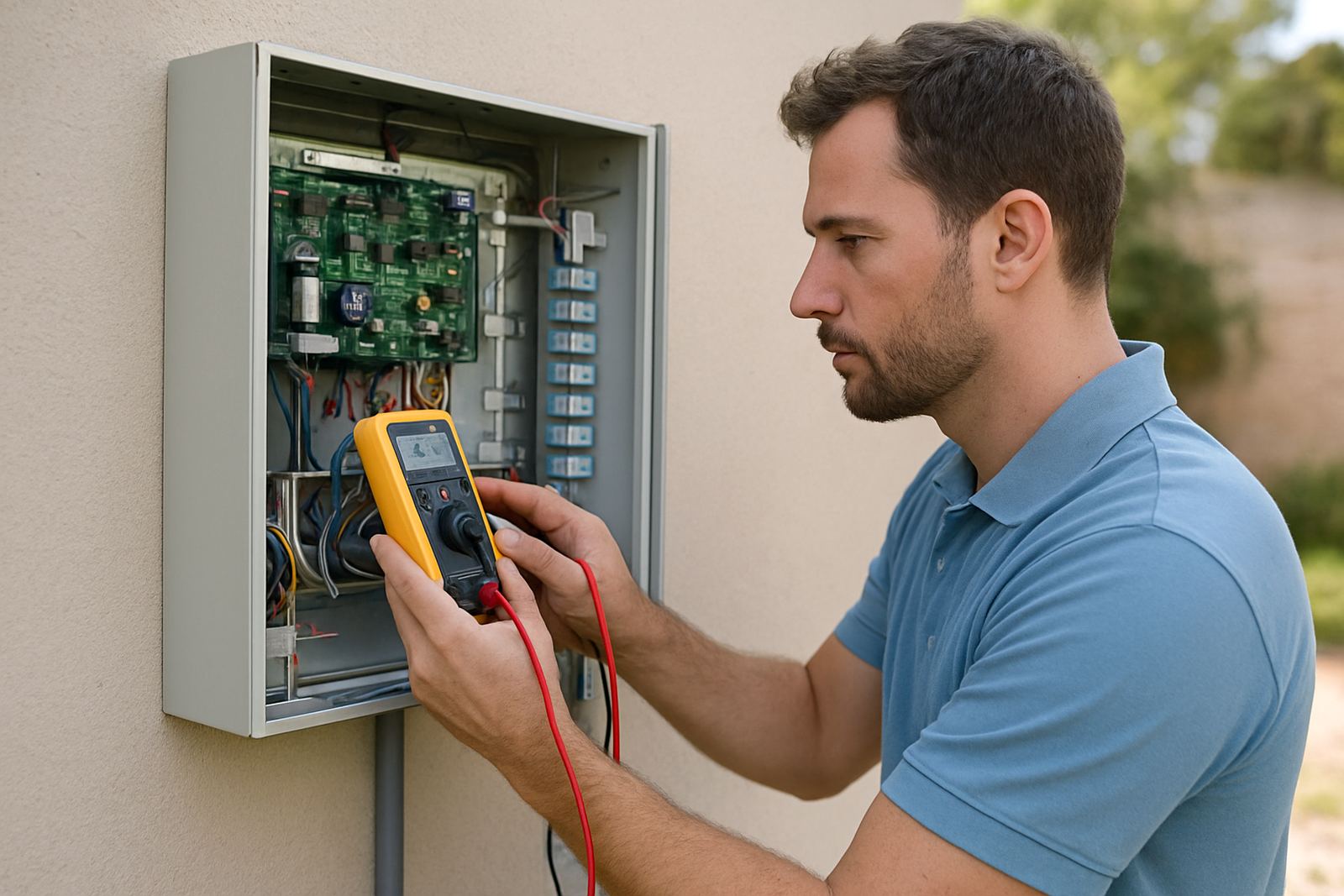
Fault finding starts with a site assessment and a short discussion about what the system is doing, when the issue appears, and which rooms are affected. We then test supply and return air, compare the actual zone response to the control call, and inspect damper operation at the manifold or duct branch. Where needed we check actuator travel, thermostat placement, wiring continuity, sensor readings and control logic. If the system has smart thermostats or a central controller, we also review schedules, setpoints and zoning rules that may be causing short cycling or overlapping calls for heating and cooling.
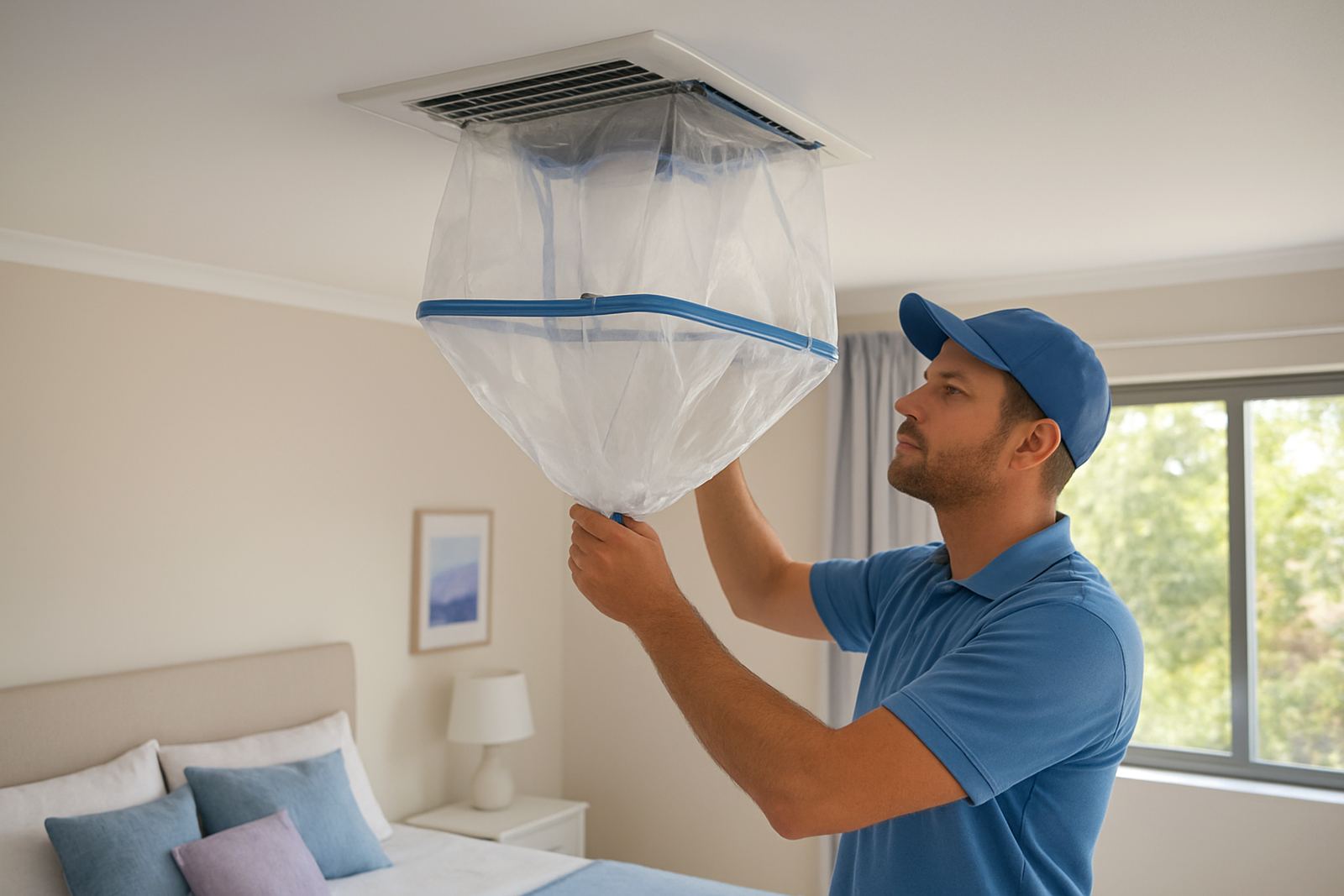
For airflow issues, we measure the volume delivered to each zone and look for pressure losses in the ducts, crushed flexible sections, loose connections or restrictions at grilles. If a room has an overcooling or overheating complaint we confirm whether the problem is airflow, control, or refrigerant related. We will also check whether filters, coils or fan settings are limiting performance. In offices, we often find that after-hours setback settings or meeting room schedules are working against the building use, so the system is behaving as programmed but not as intended.
- Ducted zoning and room-by-room damper checks
- Thermostat, sensor and control panel testing
- Airflow measurement and balancing review
- Callout testing for cooling and heating mode faults
- Power interruption and restart fault checks
Step-by-step fault finding process
We keep the process practical and transparent so you know what is being checked and why. The first step is confirming the symptoms and the service history, including any recent changes to the layout, ceilings, or controls. We then isolate each zone and run the system through its normal operating sequence. This lets us see whether the fault is happening at start-up, during steady running, or only when several zones call at once. On larger systems, especially in offices around Pretoria and Centurion, we may need to test the system during occupied hours to capture the actual load pattern.
Once the fault is identified, we explain the finding in plain language and give you the practical options. That may be a control adjustment, damper replacement, rebalancing, a sensor move, or a deeper repair if a component has failed. If parts need to be sourced, we will say so before any further work is done. Where the issue is linked to maintenance, such as blocked filters or dirty coils, we can recommend the next service interval and what should be checked before the next seasonal change. If a repair needs to happen same day, we try to keep the system usable while the permanent fix is arranged.
- Book the inspection and describe the problem rooms
- Attend site and test each affected zone
- Trace the fault to controls, dampers, airflow or equipment
- Report findings and quote the repair or adjustment
- Complete the fix and retest the system
Turnaround times and what affects urgency
For most Johannesburg and Pretoria callouts, we aim to attend within a practical turnaround based on the area, site access and the urgency of the complaint. A single-room comfort issue in a home can often be scheduled faster than a commercial site with multiple zones, tenant access requirements or after-hours work rules. If a fault is causing poor sleeping conditions, boardroom discomfort or repeated system shutdowns, we prioritise the job where possible. When load-shedding or a power reset has affected controls, we also factor in the time needed to verify that the system is starting up correctly again.
The time on site depends on how complex the zoning is. A small home system may be diagnosed in under two hours, while a larger office with several dampers and multiple thermostats can take longer, especially if the issue only shows under load. If we need to open ceilings, trace concealed wiring or inspect a roof space, that can add time. We will always tell you if the fault looks like a quick setting correction or a more involved repair so you can plan accordingly.
Pricing approach and what you pay for
Our pricing is based on the nature of the fault, the size of the system and the amount of testing required. Simple callouts usually involve a diagnostic fee, while larger or more complex systems may need a site-specific quote before work proceeds. We do not treat fault finding as guesswork. You are paying for proper testing, technical time and a clear explanation of what is wrong, not for repeated visits without answers. If the fault is caused by a component failure, we separate the diagnostic work from the repair so the costs stay clear.
Where a system has been neglected, the fault finding visit may reveal that cleaning, balancing or a seasonal service is needed as part of the correction. In those cases we will give you the options and let you choose the right path for the property and budget. For landlords, body corporates and office managers, we can also provide a written summary for maintenance records or tenant communication. That helps when there is a dispute about whether the issue is the equipment or the way the system is being used.
- Diagnostic fee for the inspection and testing
- Separate pricing for parts, repairs and rebalancing
- Site-specific quotes for larger or multi-zone systems
- Written findings available for property records
Maintenance intervals that prevent repeat faults
Fault finding is often needed because a system has gone too long without seasonal attention. For most zoned systems we recommend a check before summer and again before winter, with servicing every six to twelve months depending on use, dust levels and the number of occupied zones. In homes with pets, nearby building work or heavier use, filters and return air paths may need attention more often. In offices, tenant changes and altered working hours can shift the load pattern, so the controls should be reviewed after any major layout change.
We also suggest a full review whenever a property has had renovations, ceiling repairs, new partitions or a control upgrade. Small changes can throw airflow out by quite a bit and the system starts chasing the wrong temperature. Regular maintenance helps us catch weak actuators, drift in thermostat readings, dirty coils and loose wiring before they become a comfort complaint. If you are based in Johannesburg or Pretoria and the system has already started showing uneven cooling, it is worth getting the fault traced early rather than waiting for summer pressure to make it worse.
Key facts
| Service type | Fault finding for zoned ducted air-conditioning |
|---|---|
| Coverage | Johannesburg, Sandton, Randburg, Pretoria, Centurion, Pretoria East |
| Typical fault checks | Dampers, thermostats, sensors, airflow, controls, wiring and restart logic |
| System sizes | Homes, small offices and multi-zone commercial spaces |
| Standard access needs | Indoor unit, ceiling access, duct branches and control point |
| Recommended maintenance interval | Every 6 to 12 months, plus after renovations or control changes |