What Airflow Balancing Covers
Airflow balancing is the process of measuring how much air is moving through each supply and return point, then setting the system so those volumes match the design intent as closely as practical. On ducted installations, we check dampers, grille sizes, fan speed settings, duct losses, filter condition and thermostat zoning. The aim is simple: each room should receive the right amount of conditioned air, so bedrooms are not stuffy, offices do not have hot spots, and no zone is overworked.
In Johannesburg and Pretoria, we often see systems installed with good equipment but poor distribution. One room gets too cold while the end of the passage barely changes. On larger homes and offices, the issue can be worse after renovations, tenant changes or added partitions. Balancing corrects those problems without guesswork and gives the system a proper baseline for later servicing. It also helps when load-shedding or voltage dips have affected controls and the system needs to be checked again.
- Supply and return air readings at each zone or room
- Damper setting checks and actuator testing
- Thermostat and zoning verification
- Fan speed and static pressure review
- Air filter condition and access inspection
How We Balance a Ducted System
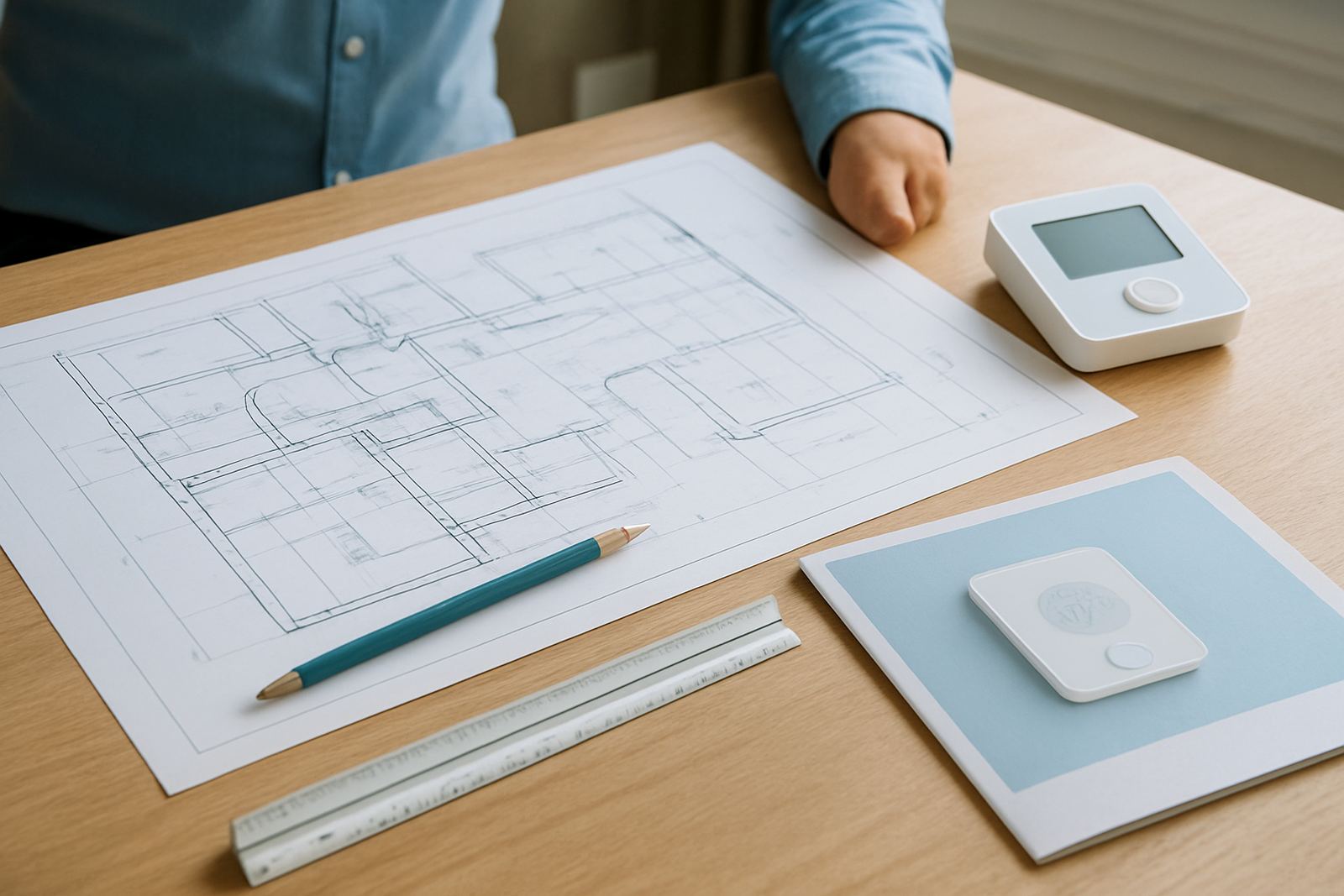
We start with a site assessment and a full look at the duct layout, ceiling access, diffuser positions and the way each space is used. Then we measure air volume using suitable test instruments and compare the readings against the design requirement and the actual room demand. If a boardroom is full of people by mid-morning, it should not be treated the same as a storeroom or a north-facing lounge in summer.
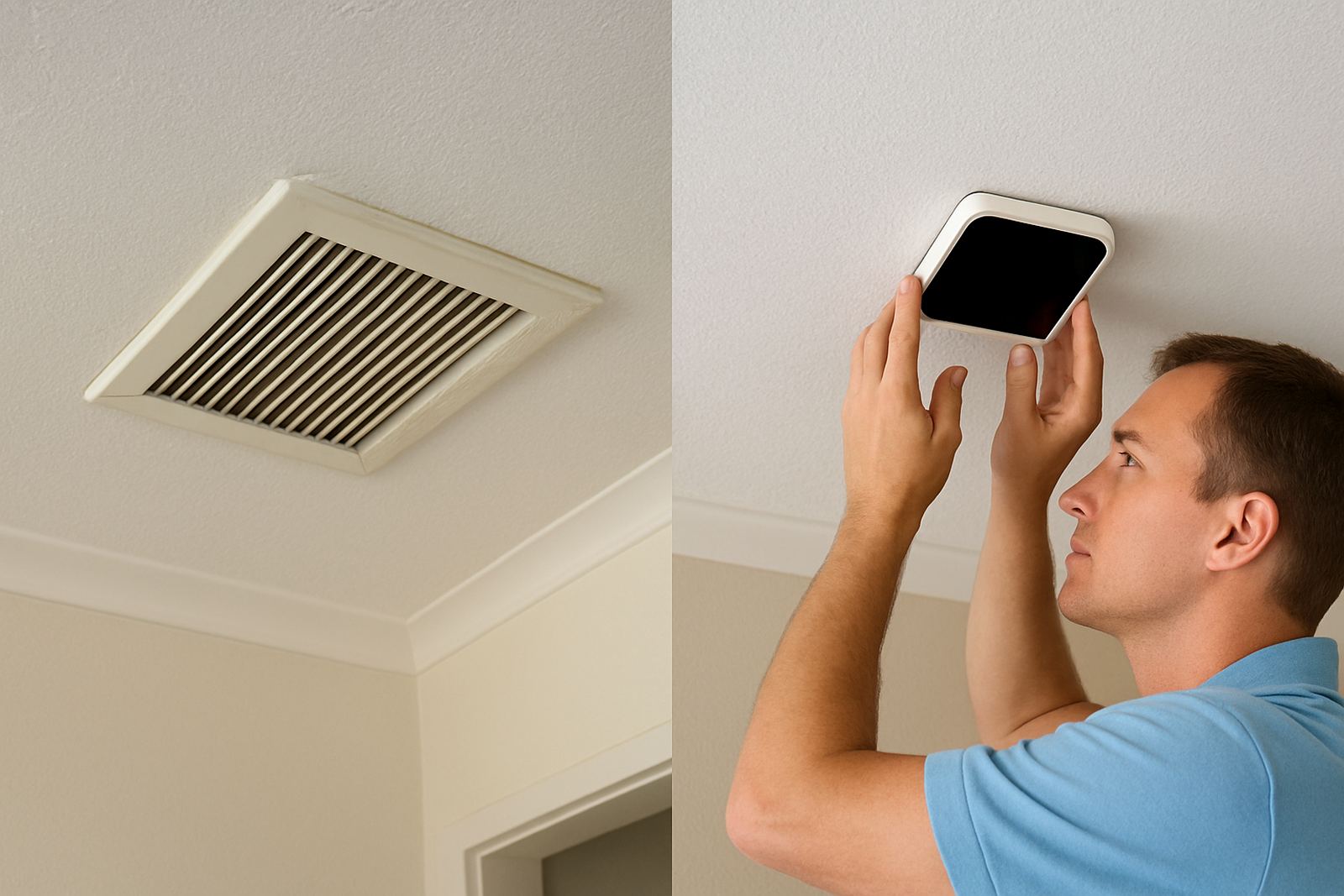
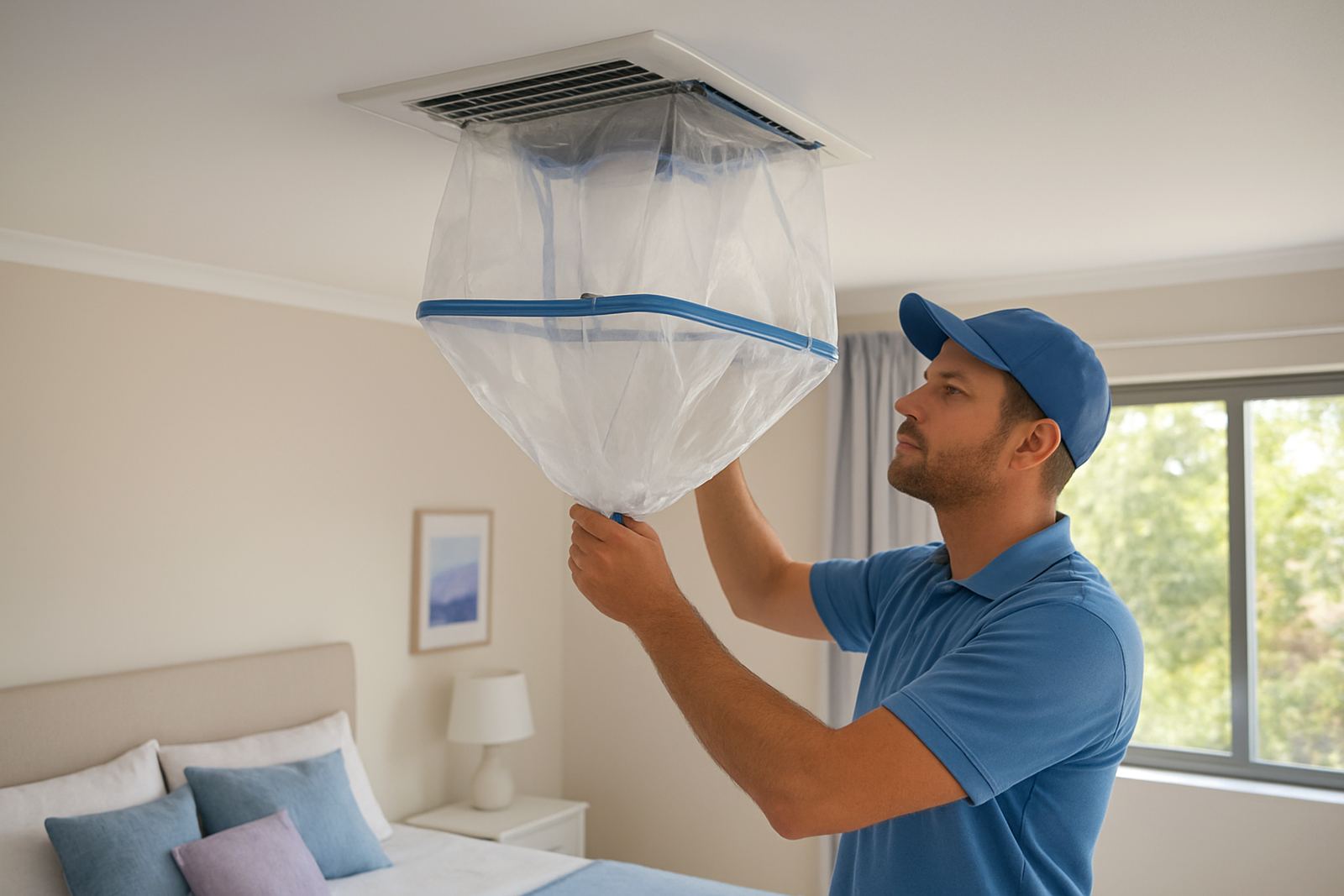
From there we make small adjustments at the dampers, zone by zone, until the system is distributing air properly. If needed, we also check the fan settings, inspect the return path, and look for restrictions caused by crushed flex, blocked grilles or dirty filters. On some older systems, the fix is only a few turns on the damper. On others, we may recommend a duct change or a control update after the readings show that the system is working too hard or too unevenly.
- Step 1: Site inspection and operating check
- Step 2: Measure airflow at each outlet and return
- Step 3: Adjust dampers, fan settings and controls
- Step 4: Re-test and record final readings
- Step 5: Issue findings and practical recommendations
What You Receive After Balancing
After the balancing work, you receive a clearer, more even system response and better room-by-room comfort. In office spaces this can reduce complaints from staff sitting under cold supply points or in weak airflow areas. In homes, it helps with upstairs bedrooms, home studies and living spaces that always seem out of step with the rest of the house. The system usually feels steadier because it is no longer fighting itself.
We also provide a summary of what was adjusted and what we found during the visit. That may include notes on duct leakage, undersized returns, noisy grilles, zone dampers that are sticking, or control settings that need follow-up. If the unit is already under strain, balancing can show where a future upgrade will give the best return. This is practical information for owners, tenants, body corporates and facilities teams who need the facts, not assumptions.
- Improved temperature control from room to room
- Reduced noise from over-pressurised ducts and grilles
- Better comfort in spaces at the end of long duct runs
- Clear notes for future maintenance or upgrades
- Useful readings for new builds, tenant fit-outs and retrofits
Turnaround and When to Book
Most balancing visits can be scheduled once the system is accessible and running normally. A small home system may take part of a day, while a larger office with several zones can take longer, especially if ceilings are tight or access panels are limited. For new builds, balancing is best done after practical completion, once doors, ceilings and glazing are in place and the space is operating as it will in everyday use.
We also recommend balancing after changes to the property layout, new tenant occupation, or a major service where airflow complaints have returned. If the system has been through a long summer, or a winter period with heavy use, it is often the right time to confirm the readings before the next season turns. In coastal areas and humid conditions, duct insulation and condensation checks can be added where needed, becuase moisture affects comfort and efficiency.
- New build handover and pre-occupation checks
- After retrofit installations or control changes
- Following renovations, partition changes or tenant move-ins
- Before peak summer or winter demand
- After repeated hot and cold room complaints
Pricing Approach That Fits the Job
Airflow balancing is priced according to the size of the system, number of zones, access conditions and the time needed to measure and adjust properly. A compact residential installation with easy ceiling access is priced differently from a multi-zone office with long duct runs and several returns. We do not price it as a one-size job because the work is not one-size. You are paying for accurate readings, careful adjustment and a sensible report at the end.
Where the readings show a deeper problem, we will say so plainly before extra work is approved. That may involve a return air upgrade, duct repair, grille change or control reprogramming. For owners managing budgets in Johannesburg or Pretoria, this approach helps avoid repeated call-outs and short-term fixes. It is better to sort the airflow properly once, rather than keep compensating with thermostat changes that never quite solve the issue.
- Quoted on system size, zone count and access complexity
- No unnecessary add-ons without prior approval
- Options given when a repair or upgrade is needed
- Suitable for homes, offices and mixed-use premises
Ongoing Maintenance for Steady Performance
Once a system is balanced, it should be checked again during scheduled servicing or when the building use changes. For most homes, an annual review is usually enough unless there are repeated comfort issues. For offices, boardrooms and tenant spaces with higher daily use, a six monthly check is often more practical, especially where filters load up quickly or people keep changing room layouts. If the system is near the coast or in a dusty area, inspect it more often because filters and dampers can drift off target sooner.
We usually look at airflow balancing alongside seasonal servicing, fault finding and system upgrades. That gives a better picture of how the whole installation is performing, not just the refrigeration side. Good balancing supports quieter operation, better comfort and less strain on the equipment. It also helps when power interruptions and repeated restarts have affected the controls, which is common across Johannesburg, Sandton, Randburg, Pretoria, Centurion and Pretoria East.
- Residential systems: check annually
- Office and commercial systems: check every 6 months
- After duct repairs or control changes: re-test promptly
- After major occupancy changes: re-balance as needed
Key facts
| Typical system types | Ducted split systems, multi-zone installations, office ceiling systems |
|---|---|
| Airflow measurement range | Usually checked per room or zone in litres per second or cubic metres per hour |
| Common access needs | Ceiling access, grille access, control panel access, damper access |
| Site coverage | Johannesburg, Sandton, Randburg, Pretoria, Centurion, Pretoria East |
| Turnaround | Half day to 2 days depending on size and access |
| Maintenance interval | Annual for homes, 6 monthly for busy offices or dusty sites |