What airflow balancing does in a zoned system
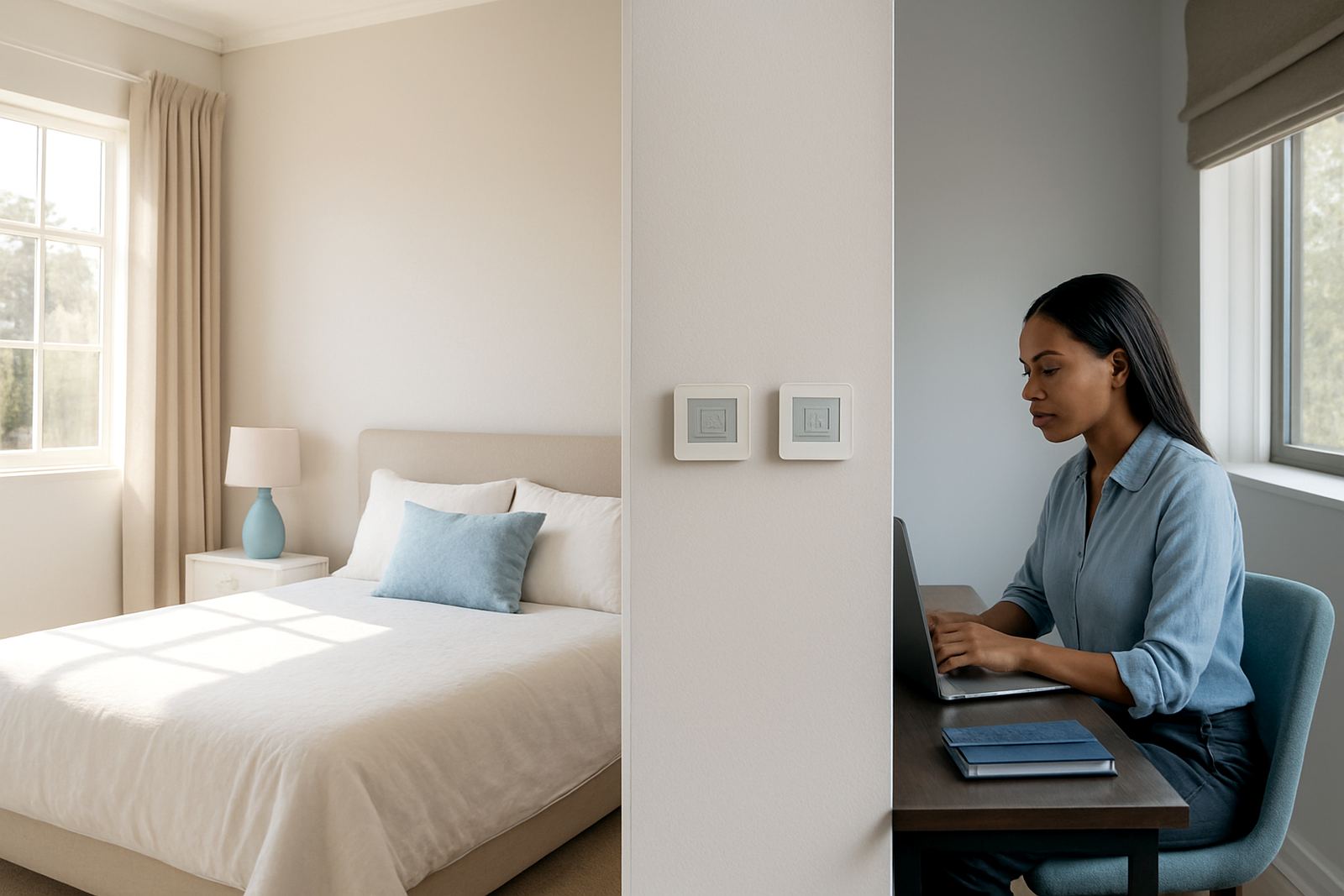
In a ducted zoned system, the design sets the target, but balancing makes the system behave properly in real rooms. It means adjusting dampers, checking supply and return air, and confirming that each zone gets the airflow it was meant to get. A main bedroom in Sandton should not be fighting a home office in the same house, and a boardroom in Pretoria East should not overcool while nearby meeting rooms sit warm.
Balancing is not a guess. It is measured, adjusted, then measured again. The aim is steady comfort, sensible fan speeds and less strain on the equipment. When this step is skipped, owners often blame the air-conditioner when the real issue is poor airflow distribution.
Signs the system needs balancing, not just servicing
Many calls that look like faults are really airflow problems. A unit may be clean and the thermostat may be working, yet one room never settles. Before replacing parts, it is worth checking whether the air is simply not being distributed properly through the ductwork and dampers.
- One bedroom feels stuffy while another is overcooled.
- Vents whistle or the airflow sounds harsh in certain rooms.
- The system cycles too often, then seems weak during peak heat.
- Some zones need the thermostat set far lower than the others.
- Doors need to stay open for the room to feel comfortable.
In Johannesburg, this often shows up in homes with additions or changed room layouts. In Pretoria, we see it in offices where tenant changes have altered how the space is used, but the ducting still follows the old pattern.
How the balancing process is carried out on site
A proper balancing visit starts with the basics. The designer or technician checks the system layout, zone sizes, duct sizes, grille positions and the control setup. Then air volumes are tested at the supply points, and dampers are adjusted to get more air where it is needed and less where it is not.
Good balancing work is methodical. You do not close dampers too far or starve a room just to make another one look better. The idea is to work with the system, not against it. If a branch line is too restricted or a grille is undersized, that problem must be noted and corrected where possible.
- Measure supply airflow at each zone or room.
- Check damper position and response from the controller.
- Verify return air paths and door clearances.
- Confirm thermostat location and temperature readings.
- Retest after adjustments, especially on multi-zone systems.
Why balancing matters for running costs and equipment life
When airflow is uneven, the system works harder than needed. A zone that is starved for air can cause poor heat transfer, while a zone with too much air may cool too quickly and keep calling for more from the compressor. That extra cycling adds wear and can push electricity use up, especially in summer when homes and offices are already under load during hot afternoons and load-shedding recovery.
Balanced systems usually run quieter too. Fans are not pushed beyond what the ductwork can handle, and rooms do not need constant thermostat changes from frustrated users. For building owners, that means fewer complaints and fewer repeat callouts for what seems like a mystery fault.
On coastal properties the issue can be even more noticeable because humid air changes how rooms feel. A balanced system helps remove moisture more evenly, which matters in offices and bedrooms alike.
A local example from a Pretoria East family home
A recent example in Pretoria East involved a double-storey house with a main bedroom suite, upstairs study and a downstairs living area. The owners said the study was too cold by mid-morning, while the main bedroom stayed warm into the evening. The system had been installed correctly, but the upstairs dampers had never been fine-tuned after furniture was moved and the study became a full-time workspace.
After testing the airflow at each zone, the dampers were adjusted and the thermostat positions reviewed. The study no longer cooled too fast, and the main bedroom started receiving the extra air it needed after sunset. The owners did not need a bigger system, only a proper balancing pass and a small controls adjustment.
- Room use had changed from spare room to daily office.
- Air delivery had to match actual occupancy, not the original plan.
- The final check confirmed steadier temperatures across both floors.
What owners should ask before signing off a system
If you are having a new ducted system installed or upgrading an older one, ask how balancing will be handled. It is worth getting clarity before the handover, because once ceilings are closed and furniture is back in place, small issues are harder to correct.
- Will each zone be tested and recorded after installation?
- Are dampers accessible for later seasonal adjustments?
- Has the thermostat location been checked against heat sources and sunlight?
- Will the team explain which rooms should receive more or less air?
- Is there a plan for seasonal servicing and follow-up balancing?
For offices in Sandton or Randburg, this also helps after tenancy changes. For homes in Centurion or Pretoria East, it is useful when the family starts using rooms differently from the original design.
When balancing should be revisited
Balancing is not a once-off job that should be forgotten forever. It should be revisited after renovations, ceiling changes, new partitions, or major shifts in how a building is used. It also helps after a system upgrade, when control settings change, or after a season where the building behaved differently from expected.
If your system has been making some rooms feel neglected while others are getting more than their share, that is often the best sign that airflow balancing is due. It is a practical step, not a luxury, and in zoned systems it is one of the main reasons the equipment feels well matched to the building.
At Airzone, balancing is part of proper system design and commissioning across Johannesburg and Pretoria, because comfort depends on more than just cold air coming out of a vent.